Are you looking to boost your website’s visibility and make your content stand out in search results? Adding FAQ schema to your WordPress site can do just that.
But what if you want to do it without relying on plugins that can slow down your site? You’re in the right place. You’ll learn a simple, step-by-step way to add FAQ schema directly to your WordPress pages. This method saves you from extra plugins and helps search engines understand your content better.
Keep reading, and you’ll discover an easy trick that can improve your SEO and attract more visitors—without any complicated tools.
Credit: www.wpoets.com
Adding Schema To WordPress Manually
Adding FAQ schema manually in WordPress helps search engines better understand your content. This can improve your site’s visibility in search results. It involves inserting structured data directly into your theme or posts without extra plugins. The process might seem technical, but it is quite straightforward with clear steps.
Using The Theme’s Functions File
One way to add FAQ schema is through your theme’s functions.php file. This file controls many parts of your WordPress site. You can insert custom code here to output the FAQ schema in JSON-LD format. It is important to back up your site before editing this file. A small mistake can break your website.
To add the schema, open functions.php and use the wp_head action hook. This hook places your code inside the website header. Create a function that prints the FAQ schema script. The script should contain your questions and answers in JSON-LD format. Save the file and refresh your page to check if the schema is active.
Inserting Schema In Page Or Post Editor
You can also add FAQ schema directly inside a page or post. This method uses the WordPress block editor or classic editor. Switch to the text or code view in your editor. Paste the JSON-LD script with your FAQ content. Make sure the script tags are included to ensure proper formatting.
This method works best for pages with unique FAQs. It keeps the schema specific to that page only. Always preview your post before publishing. This step confirms the schema code is correctly placed and does not break the layout.

Credit: www.youtube.com
Troubleshooting Common Issues
Troubleshooting common issues when adding FAQ schema without a plugin helps save time. Many beginners face problems that stop their schema from working properly. Fixing these problems quickly keeps your site running smoothly and improves SEO results.
This section covers common errors and easy solutions. Follow the steps to check your code and setup. Make your FAQ schema work right on WordPress without extra tools.
Check Json-ld Syntax Errors
Incorrect JSON-LD syntax causes schema to fail. Use an online JSON validator to find errors fast. Look for missing commas, brackets, or quotes. Fix these mistakes before adding the code to WordPress.
Verify Faq Content Formatting
FAQ schema needs questions and answers in the right format. Each question requires a clear “name” field. Answers must be in the “acceptedAnswer” section. Make sure your text matches these rules to avoid errors.
Clear WordPress Cache
Old cache can prevent new schema from showing. Clear your WordPress cache after adding code. Use your caching plugin or hosting tool to do this. Refresh your page to see changes immediately.
Test Schema With Google Rich Results Tool
Use Google’s Rich Results Test to check schema validity. Paste your page URL or code snippet here. The tool shows if your FAQ schema is valid or has issues. Fix any errors it finds before publishing.
Ensure No Conflicting Schema Codes
Multiple schema codes may cause conflicts on one page. Remove duplicate or older FAQ schema scripts. Keep only one clean JSON-LD block to avoid confusion. This helps search engines read your data correctly.

Credit: aioseo.com
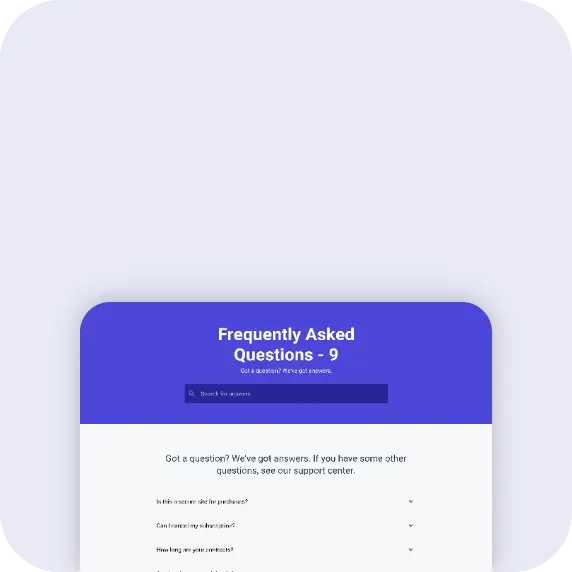
Frequently Asked Questions
What Is Faq Schema And Why Use It In WordPress?
FAQ schema is structured data that helps search engines understand your FAQ content. It enhances search results with rich snippets, improving visibility and click-through rates. Adding FAQ schema in WordPress boosts SEO and user experience without relying on plugins.
How To Add Faq Schema In WordPress Without A Plugin?
You can add FAQ schema manually by editing your WordPress theme files. Use JSON-LD format and insert it into the header or footer section. This method keeps your site lightweight and avoids plugin conflicts while improving SEO.
Can I Customize Faq Schema For Different Questions?
Yes, you can customize FAQ schema by editing the JSON-LD code. Each question and answer pair should be clearly defined. This flexibility lets you tailor the FAQ content to your site’s unique needs and improve search engine relevance.
Is Adding Faq Schema Without Plugins Safe For Beginners?
It is safe if you follow proper coding guidelines. Backup your site before editing theme files to avoid errors. Beginners should test schema markup using Google’s Rich Results Test tool to ensure correctness.
Conclusion
Adding FAQ schema without a plugin is simple and effective. It helps search engines understand your content better. This can improve your website’s visibility in search results. Use clear questions and answers in your code. Test your schema with Google’s Rich Results Tool.
Keep your FAQs updated and relevant. Small steps like these make a big difference. Try adding FAQ schema manually to see the benefits yourself.