
Are you struggling to add a datastore to your vSphere 6.5 host using the Web Client? You’re not alone.
Many users find themselves puzzled by the steps involved, leading to endless searches and frustration. But worry no more; this guide is here to simplify the process for you. Imagine effortlessly managing your storage, knowing exactly where to click and what to expect.
By the end of this article, you’ll have the confidence and skills to add a datastore with ease. Stay with us, and you’ll soon transform a seemingly complex task into a straightforward, manageable process. Ready to take control? Let’s dive in.
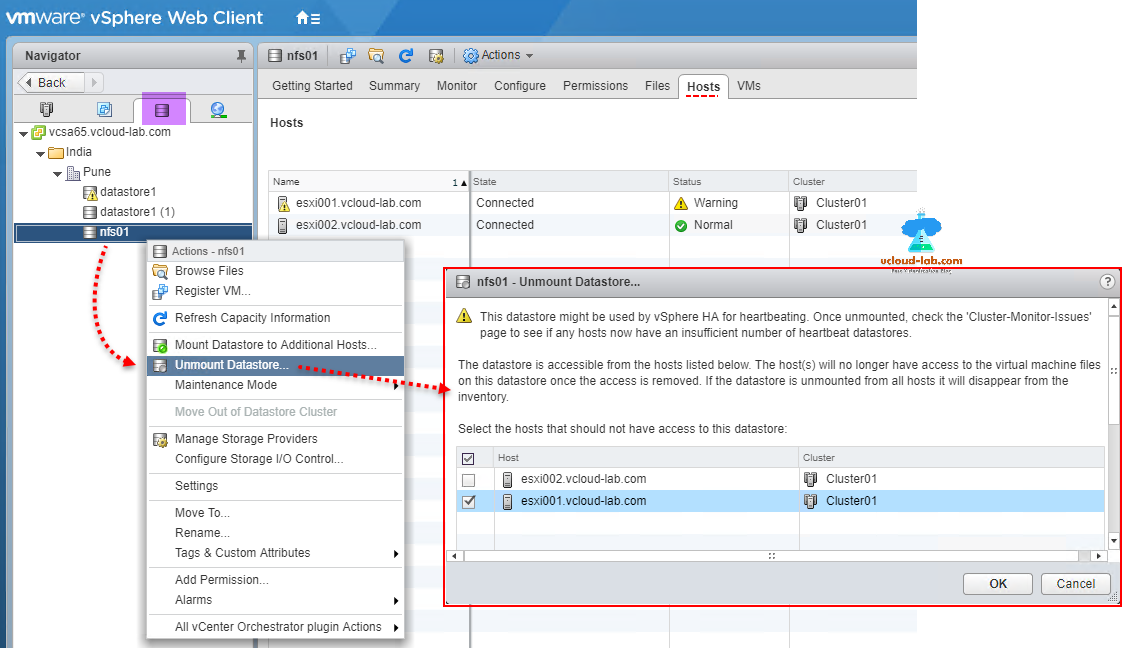
Credit: vcloud-lab.com
Prerequisites For Adding Datastore
Understanding prerequisites is vital before adding a datastore in vSphere 6. 5 Host Web Client. Ensure all network settings are correctly configured and have the necessary administrative privileges. Verify available storage capacity to accommodate the new datastore efficiently.
Network Configuration
A stable network is essential. Ensure all network connections are secure. Verify the IP settings. Check the DNS configuration. Test the network speed. Use a reliable switch. Avoid network hiccups. Configure the firewall properly. Keep ports open for traffic. Monitor network activity.
Storage Options
Choose the right storage type. Consider performance needs. Think about capacity requirements. Use local storage for speed. Use shared storage for flexibility. Ensure storage is compatible with Vsphere. Plan for future growth. Backup data regularly. Check storage health often.
Compatibility Requirements
Check software versions. Ensure Vsphere is updated. Verify hardware compatibility. Use supported devices. Confirm driver versions. Compatibility is crucial. Avoid system errors. Update systems regularly. Ensure all components work together. Test configurations before use.
Accessing Vsphere 6.5 Host Web Client
First, open your web browser. Enter the Vsphere 6.5 host’s IP address. You will see the login page. Type in your username and password. Click on the login button. Wait for the page to load. You are now in the Web Client.
Look for the main menu on the left. This menu has many options. Click on Storage to see datastores. Use the search bar to find items. You can also see tasks and events. These help manage the host better. Explore other tabs to learn more.
Creating A New Datastore
Choose between VMFS and NFS storage types. VMFS is for block-based storage. NFS is for file-based storage. Each type has its own benefits. VMFS works well with shared storage. NFS is good for file sharing. Select the type that fits your needs.
Give your datastore a unique name. Names help identify storage quickly. Use simple names. Avoid special characters. Keep names short and clear. This helps in managing multiple datastores.
Set the size for your datastore. Make sure it meets your needs. Consider future growth. Allocate enough space. Avoid setting it too small. You can adjust it later if needed.

Credit: masteringvmware.com
Connecting The Datastore To Hosts
Datastore mapping is easy with the right steps. Open the vSphere Web Client. Choose your desired host. Click on Configure. Find and select Storage Adapters. Click Rescan Storage Adapters. This finds new paths. Ensure paths are visible. All hosts must see them. Visibility ensures proper connection. Always double-check the paths.
Host accessibility is crucial. Go to Host and Clusters. Select the target host. Choose Configure. Click on Datastores. Add or attach the datastore. Make sure the host can read and write. Test the connection. Ensure no errors appear. Accessibility means the host can use the datastore. This step is key.
Verifying Datastore Setup
Testing connectivity is very important. Open your web client. Check the datastore connection. Make sure the datastore is visible. It should be without errors. If not, check your network settings. Sometimes, cables might be loose. Ensure all connections are secure. Ask for help if needed. It is okay to ask.
Monitoring Performance
Once connected, monitor the datastore performance. Open the performance tab. Look for any red flags. High usage could mean trouble. Check the read and write speeds. If they are slow, investigate further. Look for bottlenecks in the system. Proper monitoring helps keep things smooth. Regular checks are a good practice.
Troubleshooting Common Issues
Connections fail often because of network issues. Check your network cables. Ensure all are connected right. Firewalls can block connections too. Turn off firewalls and try again. Some settings may need a reset. Go to settings and reset them. If still not working, restart your router. This can help fix many issues. Always check for updates. Old versions can cause problems.
Compatibility issues arise with software versions. Ensure your Vsphere and host versions match. Check the hardware. Old hardware may not support new software. Update drivers for better compatibility. Sometimes, a simple restart helps. Turn off and turn on your system. Ensure your plugins are up to date. Outdated plugins cause issues. Always use recommended settings for best results.
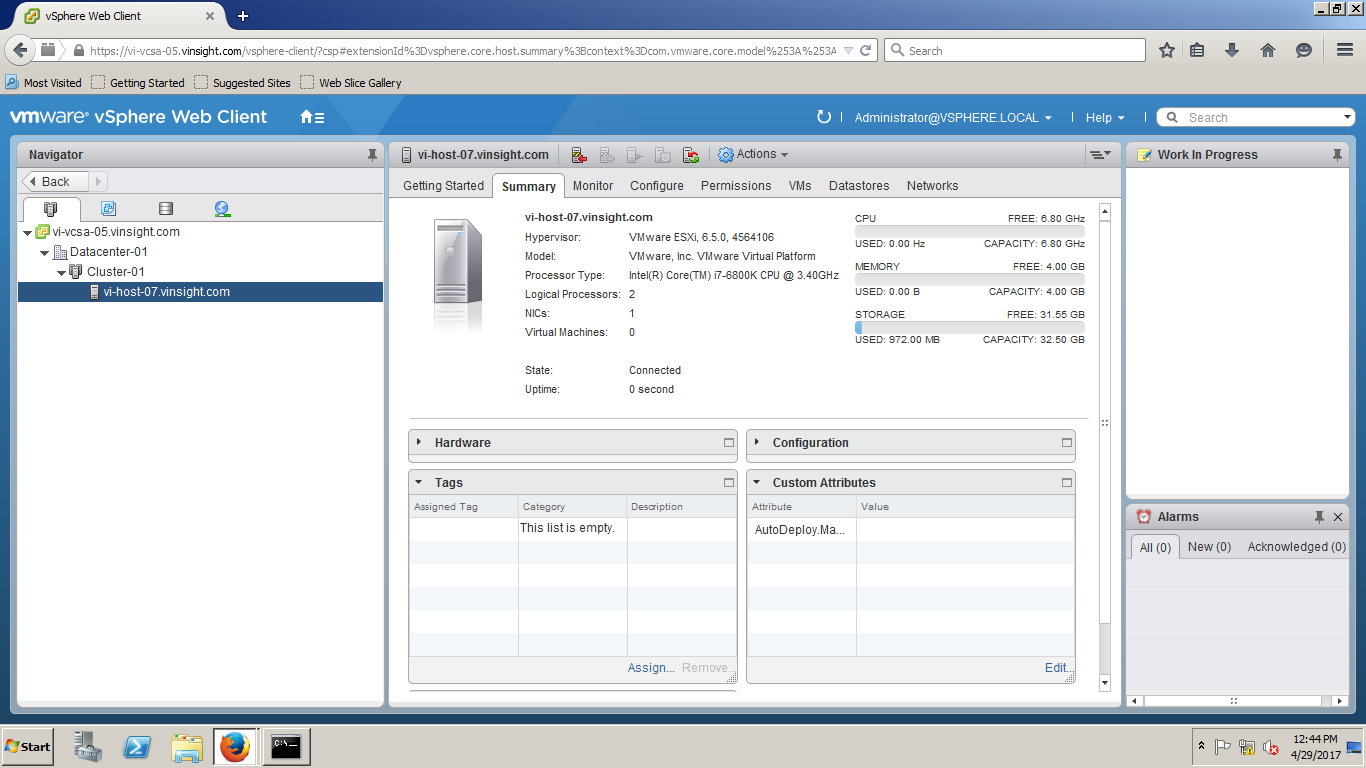
Credit: vmwareinsight.com
Frequently Asked Questions
How Do I Add A Datastore To My Vsphere Client?
Open vSphere Client. Select the host. Click “Actions,” then “Storage,” and choose “New Datastore. ” Follow the wizard steps to add your datastore.
How To Add Existing Datastore To Esxi Host Vmware?
To add an existing datastore to an ESXi host in VMware, open the vSphere Client. Navigate to “Storage” and select “Add Datastore. ” Choose “VMFS” or “NFS,” then follow the prompts to add the existing datastore. Ensure the datastore is accessible and properly configured for the host.
How Do I Access Esxi Datastore From Web Browser?
Access the ESXi datastore by logging into the vSphere Web Client. Navigate to Storage and select your datastore. Use the “Browse Files” option to view contents. Ensure you have necessary permissions for access. This method is simple and efficient for managing your datastore from a web browser.
How To Connect Storage To Esxi Host?
Connect storage to an ESXi host by using vSphere Client. Navigate to “Storage” under “Configuration”, then add storage. Choose your storage type, configure settings, and finalize by clicking “Finish”. Ensure proper network configuration for optimal performance.
Conclusion
Adding a datastore to your vSphere 6. 5 host enhances management. It simplifies data storage and access. With the web client, the process is user-friendly and quick. Follow the steps to ensure smooth integration. Always check compatibility before proceeding. This avoids potential issues later.
Regular updates keep your system efficient. Practice these steps for better performance. Your virtual environment will benefit greatly. Remember to back up important data. Protect your information from loss. A well-managed datastore ensures reliability. Enhance your vSphere experience today. Make it work for your needs.


