
Are you ready to give your WordPress website a fresh, unique look that stands out from the crowd? Adding a custom WordPress theme is the perfect way to infuse your personal style and meet your site’s specific needs.
Imagine having a website that not only looks exactly how you envisioned but also enhances user experience and engagement. In this guide, you’ll discover how to effortlessly add a custom WordPress theme, transforming your site into a true reflection of your brand.
Uncover the secrets to making your website not just another page on the internet, but a memorable destination for your audience. Let’s dive in and unlock the potential of your website with a custom theme.
Credit: www.monsterinsights.com
Choosing The Right Theme
Assessing Your Needs is very important. First, think about your website’s purpose. Is it for a blog, a store, or a gallery? Know what features you need. A photo gallery needs a theme with image display tools. A store needs e-commerce features.
Researching Theme Options is fun and easy. Visit the WordPress theme directory. Explore different themes. Check theme ratings and reviews. Look at the theme’s demo. Does it look good? Does it work well on phones?
Free vs. Premium Themes is a big choice. Free themes cost nothing. They have basic features. Premium themes have more features. They may have better support. Choose what fits your needs and budget.
Preparing For Installation
Before installing a custom WordPress theme, check compatibility with your site’s version. Backup existing data to prevent loss. Ensure theme files are ready for upload, and consider using a child theme for modifications.
Backing Up Your Site
Backing up your site is very important. It protects your data. Create a full backup. Save files, databases, and settings. Use a plugin or manual method. Keep backups in a safe place. This prevents data loss.
Checking Compatibility
Check your theme’s compatibility with your WordPress version. Old themes may not work well. Visit the theme’s page. Check requirements and reviews. Ensure plugins will work too. Avoid conflicts and errors.
Gathering Necessary Files
Gather all files before installing. This includes the theme zip file. Double-check for missing parts. Read instructions provided. Organize files for easy access. This makes installation smooth and quick.
Installing Through WordPress Dashboard
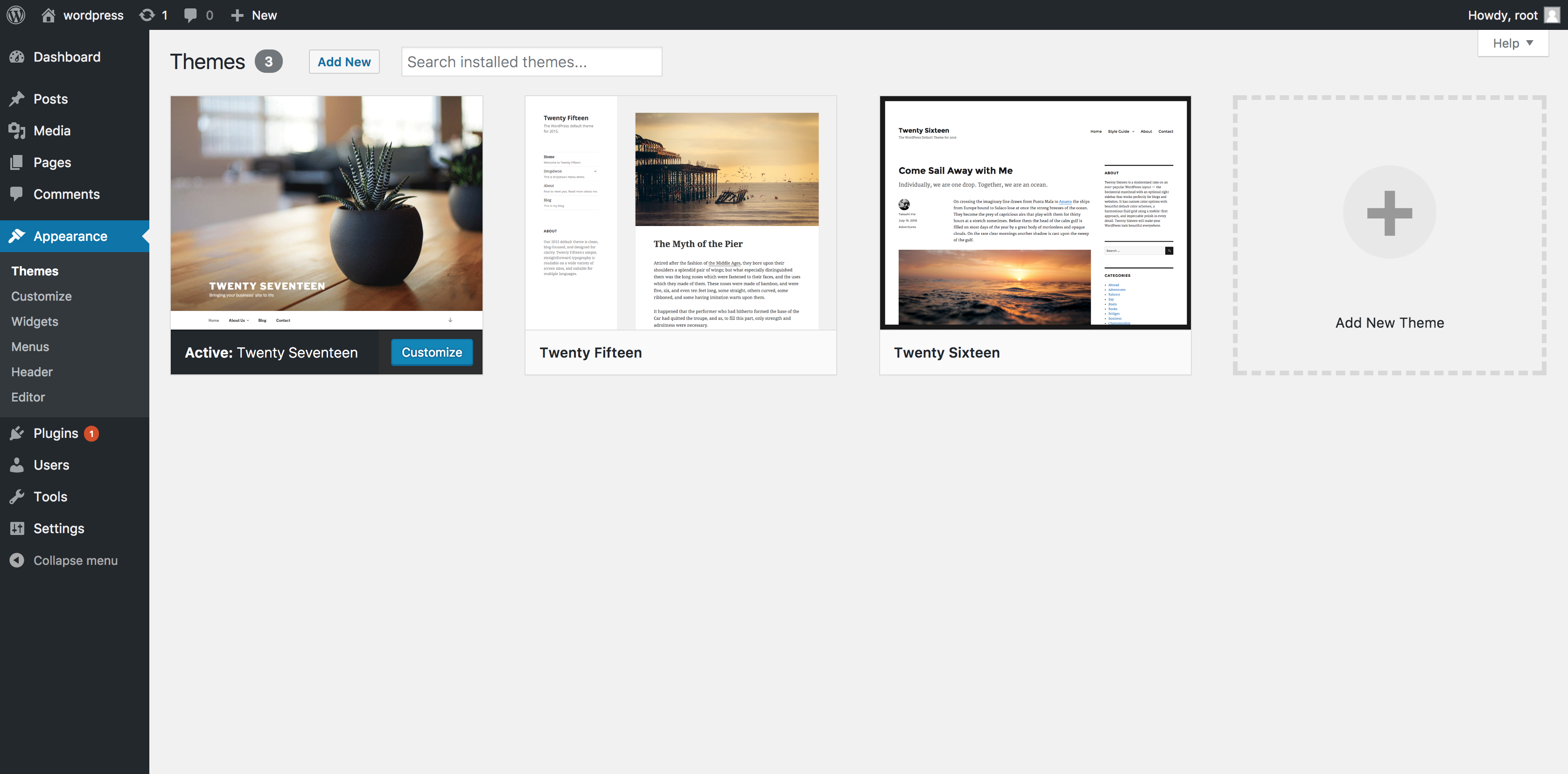
First, log in to the WordPress Dashboard. Look for the Appearance option on the left. Click on it. Then select Themes from the menu. This is the themes area.
In the themes area, you will see an Add New button. Click it to upload your theme. After that, choose Upload Theme at the top. Click Choose File and select your theme file. Finally, click Install Now.
Once the theme is uploaded, you need to activate it. Look for the Activate button. Click it to make the theme live. Now your custom theme is active on your site.
Credit: www.namecheap.com
Installing Via Ftp
Installing a custom WordPress theme via FTP involves transferring theme files from your computer to your website’s server. First, connect to your server using an FTP client. Then upload the theme folder into the ‘wp-content/themes’ directory. Finally, activate the theme through your WordPress dashboard.
Setting Up Ftp Access
First, open your FTP client on your computer. Enter the server address, your username, and password. You will find these details in your hosting account. After entering the details, click connect. Now, you are ready to upload files.
Uploading Theme Files
Locate the theme files on your computer. You need to upload these to the /wp-content/themes folder. Drag and drop the theme folder into the FTP client. Wait until the upload finishes. This can take a few minutes.
Activating From Dashboard
Go to your WordPress dashboard. Click on appearance and then themes. You will see your newly uploaded theme. Click activate to make it live. Your new theme is now active on your site.
Customizing Your Theme
The WordPress Customizer is easy. You can find it in your dashboard. It helps you change your site’s look. Change colors and upload logos easily. You can also add widgets. This makes your site unique. The changes show up instantly. This makes it fun and simple.
Some changes need file edits. Always backup before changing files. You can edit files using an editor. File Manager or FTP can help too. Always check changes on your site. This helps avoid mistakes. Make sure to save edits correctly.
CSS lets you style your site. Custom CSS can be added in the Customizer. Find the Additional CSS section. Type your CSS code there. CSS changes how elements look. It can change fonts and colors. Always check your CSS for errors. This keeps your site looking good.
Testing Your Theme
Exploring how to add a custom WordPress theme enhances your site’s design and functionality. Begin by accessing the WordPress dashboard, navigating to ‘Appearance’, and selecting ‘Themes’. Upload your custom theme, activate it, and test its features to ensure everything works smoothly.
Checking For Responsiveness
Responsive design means your theme looks good on all devices. Open your website on a phone and a tablet. Does everything fit the screen? Check if images and text are easy to see. Make sure buttons are big enough to tap. Responsiveness keeps users happy.
Ensuring Browser Compatibility
Your theme must work on different browsers. Open your site in Chrome, Firefox, and Safari. Does it look the same? Check if links work correctly. Browser compatibility ensures everyone can see your site. Test in different browsers often. This keeps your site accessible.
Verifying Site Performance
Site performance matters for user experience. Check how fast your site loads. Slow websites lose visitors. Use tools to test speed, like Google PageSpeed Insights. Make sure images load quickly. A fast site helps keep users engaged.
Troubleshooting Common Issues
Installing a custom WordPress theme often faces challenges like upload errors or compatibility issues. Ensure your theme is compatible with your WordPress version. Check file permissions and increase upload limits to resolve common errors.
Resolving Installation Errors
Sometimes, errors occur during theme installation. First, check your internet connection. A slow connection can cause problems. Ensure the theme file is a .zip format. The file should not be larger than the allowed size. Increase the upload size in your hosting settings if needed. Double-check the theme compatibility with your WordPress version. Outdated versions may not support new themes.
Fixing Display Problems
Themes may not display correctly at times. Clear your browser cache. This can often solve display issues. Check the theme settings in the WordPress dashboard. Ensure all settings are correct. Sometimes, plugins can conflict with themes. Try deactivating plugins one by one. Identify the plugin causing the issue.
Seeking Support
Help is available if problems persist. Visit the theme developer’s website. Many offer a support forum. Check WordPress forums too. Many users share solutions there. Consider hiring a professional if needed. They can fix complex issues quickly.
Credit: smashballoon.com
Frequently Asked Questions
What Is A Custom WordPress Theme?
A custom WordPress theme is a unique design tailored for a specific website. It offers personalized aesthetics and functionalities, providing a distinct look and feel. Custom themes are built from scratch or modified from existing ones. They help in branding and enhance user experience.
How Do I Install A Custom Theme?
To install a custom theme, go to WordPress Dashboard, then Appearance, and click Themes. Select Add New and Upload Theme. Choose the theme file from your computer and click Install Now. Once installed, activate your theme to make it live.
Can I Customize My WordPress Theme?
Yes, WordPress themes can be customized using the built-in Customizer tool. It allows you to modify colors, fonts, and layouts. You can also add custom CSS for advanced changes. Plugins can extend customization possibilities further, offering additional features.
Why Choose A Custom WordPress Theme?
Choosing a custom theme ensures your website is unique and tailored to your needs. It enhances branding and offers flexibility in design and functionality. Custom themes improve user experience and SEO performance, making your site stand out in search results.
Conclusion
Creating a custom WordPress theme is simpler than you think. Follow the steps carefully for a smooth process. Choose a design that fits your brand. Use tools like WordPress Customizer for tweaks. Always check for compatibility with plugins. Backup your site before making changes.
This ensures safety from data loss. Practice regularly to improve your skills. Enjoy the creativity that comes with customizing themes. Your unique touch can make a big impact. Embrace the learning journey and have fun with WordPress!


