
Are you looking to make your WordPress site truly unique? Adding a custom category theme might be just the game-changer you need.
Imagine giving each category on your blog its own distinct look and feel, capturing your audience’s attention and enhancing their browsing experience. This is not just about aesthetics; it’s about crafting a memorable brand identity that keeps visitors coming back for more.
In this guide, you’ll discover simple, actionable steps to transform your WordPress site by adding custom category themes. Whether you’re a seasoned developer or a WordPress newbie, you’ll find this process easier than you think, and the results will be worth every minute you invest. Ready to make your website stand out? Let’s dive in!
Credit: www.elegantthemes.com
Benefits Of Custom Category Themes
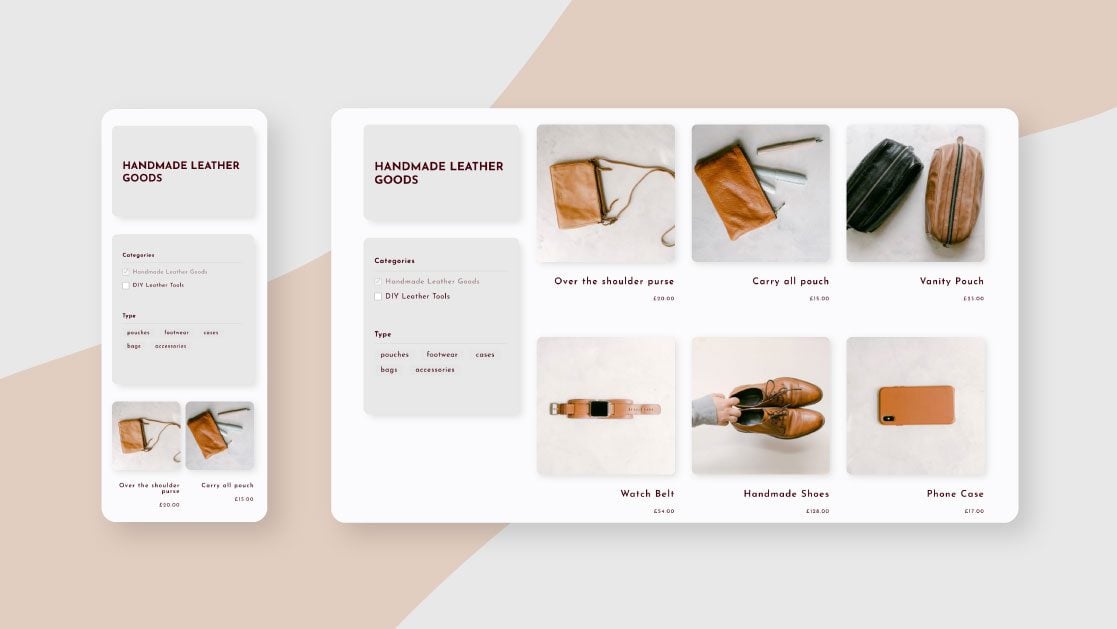
Custom themes make your site look unique and special. Each category can have its own style. This makes content look organized. Readers find this easy to follow. It helps them stay on your site longer.
Search engines notice sites with good design. This can help your site rank better. Your site will become more visible to people. Brand identity improves with custom themes. People remember your site more. This is important for growing your audience.
Credit: www.wpbeginner.com
Setting Up Your WordPress Environment
Discover how to add a custom WordPress category theme effortlessly. Enhance your website’s look by selecting unique designs for each category. Customize your site’s appearance with ease, ensuring a tailored experience for your visitors.
Backup Your Site
Always make a backup of your WordPress site. This is very important. Backups save your data. Use a plugin for easy backups. Popular choices are UpdraftPlus and BackupBuddy. Follow the plugin instructions. Store backups safely. Use cloud storage or a hard drive. Regular backups are best. Do this before any big changes.
Install A Child Theme
Child themes help protect your changes. They keep your site safe during updates. First, find your theme’s folder. Create a new folder named “child-theme.” Inside, add a style.css file. Write basic details in this file. Next, add a functions.php file. This connects the child theme to the parent theme. Use guides online for help. Many sites offer clear steps. Child themes are smart choices for WordPress users.
Creating A Custom Category Template
First, go to your WordPress dashboard. Click on “Posts” and then “Categories”. Find the category you want to customize. Hover over the category name. Look for the number in the URL at the bottom left. This is the Category ID. Write this number down. It’s very important.
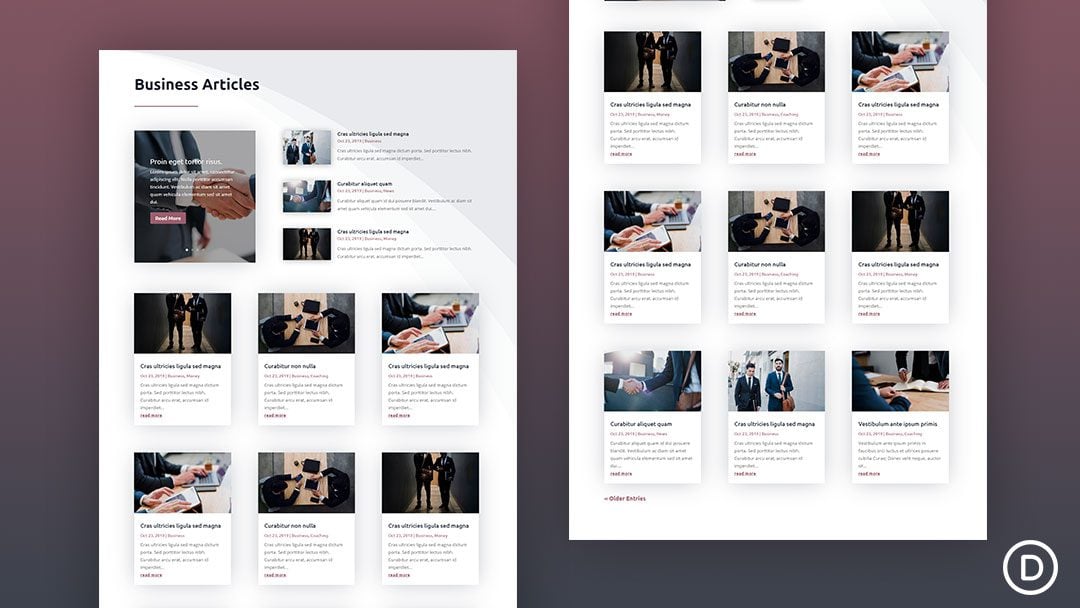
Open your WordPress theme folder. Look for the file named category.php. Copy this file and rename it to category-ID.php. Replace “ID” with your Category ID. Open the new file to edit. Add your custom HTML and CSS. Make sure to save changes. Your category now has a new look.
Credit: www.elegantthemes.com
Adding Custom Styles
Open the WordPress dashboard. Click on Appearance. Then, click on Editor. You will see a list of files. Find the stylesheet. It is usually named style.css. Click on it to open. Now, you can add your custom styles. Be sure to save changes. Your site might look different after this.
Custom CSS lets you change how your site looks. Go to the WordPress Customizer. Find the Additional CSS section. Here, type your CSS codes. You can change colors, fonts, and more. Always check your changes. Make sure everything looks right.
Utilizing Plugins For Customization
Plugins help customize WordPress themes
After installing, adjust settings for best results. Settings can change looks of categories. Use simple settings for quick changes. Try different settings to see effects. Some settings offer color changes. Others change layout styles. Use a preview to see changes. Save settings after adjusting them. Look at the category page for changes. Adjust settings again if needed.
Testing And Troubleshooting
Creating a custom WordPress category theme involves testing and troubleshooting to ensure it displays correctly. Start by setting up a child theme for safety. Then, modify the category template files to match your desired design.
Check Browser Compatibility
Ensure your custom theme looks good on all browsers. Test in Chrome, Firefox, Safari, and Edge. Each browser may show your site differently. Use browser developer tools to inspect and adjust your theme. Check for any layout issues or missing features. This step helps make your site look the same everywhere. Keep testing each page for best results.
Resolve Common Issues
Sometimes, themes don’t work as expected. First, clear your browser cache. This fixes many display problems. Next, disable plugins one by one. Some plugins may conflict with your theme. Check the theme’s documentation for guidance. Often, solutions are in the FAQ section. If the issue persists, contact the theme developer. They can offer specific help. Always back up your site before making changes.
Best Practices For Theme Customization
Customizing WordPress category themes enhances site organization and style. Start by creating a child theme to maintain original settings. Add custom code snippets to your functions. php file, targeting specific categories for unique appearance and functionality.
Maintain Code Quality
Good code makes themesvariables. It helps others understand the code. Keep code clean and simple. Avoid adding too many features at once. Test changes step by step. This ensures everything works well. Backup your files before changes. It’s safe to keep a copy. Use comments in your code. They explain what the code does. This helps future work. Follow WordPress standards. They guide proper coding practices. Check for errors often. Fix them quickly. A little care keeps your theme stable.
Document Changes
Write down every change. Use a log file for this. It helps track what you do. Note the date and time for changes. This makes it easy to find when things happen. Include the reason for changes. It explains why you did it. Keep your log updated. It’s a good habit.
Frequently Asked Questions
How Do I Create A Custom WordPress Category Theme?
To create a custom category theme, access your WordPress dashboard. Navigate to Appearance > Editor. Locate the theme files and create a new template file named category-{slug}. php. Customize the design and layout according to your preferences. Save changes and assign the template to your desired category.
Can I Use Plugins For Category Customization?
Yes, plugins can enhance category customization in WordPress. Popular options include Custom Category Templates and Advanced Custom Fields. These tools allow you to easily modify category layouts, styles, and functionality without coding expertise. Explore plugin features to find the best fit for your needs.
Why Customize WordPress Category Themes?
Customizing category themes improves user experience and site organization. Tailored designs highlight specific content and enhance navigation. It also aids SEO by providing unique layouts and optimizing category-specific keywords. Personalizing categories ensures your site stands out and meets user expectations efficiently.
Is Coding Knowledge Required For Customization?
Basic coding knowledge is helpful but not mandatory for customization. WordPress themes often include intuitive features allowing easy modifications. You can use page builders or plugins to simplify the process. However, understanding HTML, CSS, and PHP enhances customization capabilities and ensures better control over design elements.
Conclusion
Custom WordPress category themes offer a personalized touch. They enhance user experience and boost engagement. The process might seem complex at first. But, with practice, it becomes easier. You can follow steps to create unique designs. Experiment with different styles and layouts.
Tailor your categories to fit your brand. This customization sets your site apart. Visitors notice the unique feel. They appreciate the extra effort. Your site becomes memorable. It helps build a loyal audience. Consistent design improves navigation. Users find content quickly.
This keeps them returning. Your WordPress site grows stronger. Keep exploring and innovating.


