Are you looking for a simple way to access phpMyAdmin right from your WordPress dashboard? Managing your database might sound technical, but it doesn’t have to be complicated.
Imagine being able to handle important database tasks without leaving your familiar WordPress environment. You’ll discover easy steps to connect to phpMyAdmin through your dashboard, saving you time and effort. Keep reading to unlock this handy trick and take full control of your website’s backend with confidence.

Credit: www.youtube.com
Phpmyadmin And WordPress Connection
PhpMyAdmin is a tool that helps manage your WordPress database easily. It connects directly to your site’s data, allowing you to view and change information. This connection is important for keeping your site running smoothly and fixing issues fast.
Understanding how PhpMyAdmin works with WordPress can save time. It gives you control over your site’s backend without needing complicated code. Accessing PhpMyAdmin from the WordPress dashboard simplifies database management for beginners and experts alike.
Role Of Phpmyadmin In WordPress
PhpMyAdmin acts as the bridge between your website and its data. It shows all database tables that store posts, pages, users, and settings. You can add, edit, or delete data directly through this tool. It helps fix errors, optimize tables, and backup your database quickly. PhpMyAdmin is essential for deep site maintenance beyond regular WordPress settings.
Benefits Of Direct Access
Direct access to PhpMyAdmin saves time and effort. You can make quick database changes without leaving the WordPress dashboard. It reduces the risk of login errors and improves workflow. This access helps troubleshoot problems like plugin conflicts or corrupted data. Overall, it provides a safe and fast way to manage your WordPress database directly.

Credit: melapress.com
Prerequisites For Accessing Phpmyadmin
Accessing PhpMyAdmin through the WordPress dashboard requires some basic preparations. These ensure a smooth and secure connection to your database. Knowing what you need helps avoid common issues. Two main areas need attention: your hosting account and your WordPress dashboard access.
Hosting Account Requirements
Your hosting provider must support PhpMyAdmin. Most web hosts include PhpMyAdmin in their control panel. You need login details for your hosting account to access it. Check that your hosting plan allows database management. Some basic plans may limit database access. Confirm your hosting provider offers cPanel or a similar tool. This tool often includes PhpMyAdmin for easy use.
WordPress Dashboard Access
You need admin access to your WordPress dashboard. This access lets you install plugins that connect to PhpMyAdmin. Without admin rights, you cannot manage plugins or database tools. Make sure your login details are correct and secure. Your WordPress site must be online and functioning properly. This ensures all dashboard features work as expected.
Methods To Access Phpmyadmin From WordPress
Accessing PhpMyAdmin from your WordPress dashboard helps manage your website’s database quickly. There are several easy methods to do this. Each method suits different user needs and hosting setups.
Choose the best way that fits your skills and hosting environment. Below are three common methods to access PhpMyAdmin from WordPress.
Using Hosting Control Panel
Most web hosts provide a control panel like cPanel or Plesk. Log in to your hosting account. Find the database section. Click on the PhpMyAdmin icon. This opens the database manager in a new tab. It is simple and secure. You can manage your database without leaving your hosting dashboard.
Through WordPress Plugins
Plugins can add PhpMyAdmin access inside WordPress. Install a database management plugin. Activate it from your plugin menu. The plugin adds a PhpMyAdmin link in your WordPress dashboard. This method saves time and avoids using external tools. It is useful for users who want all tools in one place.
Manual Url Access
PhpMyAdmin often has a direct URL on your server. You can visit this URL in your browser. Usually, it looks like yourwebsite.com/phpmyadmin. Enter your database username and password to log in. This method is fast but requires knowing the URL and login details. It works well for advanced users who prefer quick access.
Step-by-step Access Via Hosting Control Panel
Accessing PhpMyAdmin through your hosting control panel is simple. This method gives direct control over your WordPress database. Follow these steps carefully to reach PhpMyAdmin quickly and safely.
Logging Into Hosting Account
Start by opening your hosting provider’s website. Enter your username and password on the login page. Use details sent to you when you bought the hosting plan. Click the login button to enter the dashboard.
Navigating To Database Section
Inside the dashboard, look for the database area. It might be called “Databases,” “MySQL,” or “Database Management.” Click on this section to see all database tools available. This page shows your databases connected to WordPress.
Launching Phpmyadmin
Find the PhpMyAdmin icon or link in the database section. Click it to open the PhpMyAdmin interface. Here, you can manage WordPress database tables, run SQL queries, and edit data. This tool helps keep your site’s database safe and organized.
Accessing Phpmyadmin Using Plugins
Accessing PhpMyAdmin through plugins is an easy way to manage your WordPress database. Plugins add PhpMyAdmin directly into your dashboard. This method saves time and avoids manual setup. You do not need technical skills or extra tools. Just install a plugin, and you can start using PhpMyAdmin right away.
Recommended Plugins
Several plugins make PhpMyAdmin access simple. “WP phpMyAdmin” is popular for its ease of use. “Adminer” plugin also offers database management features. Both plugins integrate well with WordPress. They keep your database safe and easy to reach.
Installation And Activation
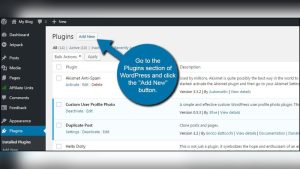
Go to your WordPress dashboard. Open the “Plugins” menu and select “Add New.” Type the plugin name in the search bar. Click “Install Now” on the chosen plugin. After installation, hit “Activate.” The plugin is ready for use in minutes.
Accessing Phpmyadmin Interface
After activation, find the plugin menu in your dashboard. Click the plugin link to open PhpMyAdmin. You will see the familiar PhpMyAdmin interface. Manage your database without leaving WordPress. Perform tasks like editing tables or running SQL queries easily.
Credit: melapress.com
Manual Phpmyadmin Access Tips
Accessing PhpMyAdmin manually helps manage your WordPress database directly. This method gives full control over database tasks like backups, edits, and repairs. Understanding the correct steps ensures smooth and safe access.
Locating Phpmyadmin Url
Most web hosts provide PhpMyAdmin at a standard URL. It usually follows the pattern: yourdomain.com/phpmyadmin or yourdomain.com:2083/phpmyadmin. Check your hosting control panel for the exact link. Sometimes, hosts place the PhpMyAdmin link inside cPanel or Plesk dashboard. Bookmark the URL for quick access later.
If unsure, contact your hosting provider. They can guide you to the correct PhpMyAdmin address. Never guess or try random URLs to avoid security risks.
Security Best Practices
Always use strong passwords for your database and hosting account. Avoid using default usernames like “root” or “admin.” Change the PhpMyAdmin login URL if possible to reduce hacking risks.
Enable two-factor authentication on your hosting panel. Limit access by IP address if your host allows it. Log out immediately after finishing your database tasks. Keep backups before making any changes in PhpMyAdmin.
Troubleshooting Common Issues
Accessing PhpMyAdmin from the WordPress dashboard can sometimes cause problems. These issues can stop you from managing your database smoothly. Knowing how to fix common problems saves time and frustration.
This section covers frequent issues users face. It explains clear steps to solve each one. Follow these tips to get back on track quickly.
Login Problems
Login problems often happen due to wrong credentials. Double-check your username and password. Make sure your Caps Lock is off. Clear your browser cache and cookies. Try using a different browser if needed. Reset your password through your hosting control panel if you forget it.
Permission Denied Errors
Permission denied errors appear when your user role lacks access rights. Check your database user permissions in your hosting panel. Ensure your user has full privileges for the WordPress database. Contact your hosting provider if you cannot change permissions. Avoid making changes without proper knowledge to prevent more errors.
Plugin Conflicts
Some plugins block access to PhpMyAdmin. Deactivate recently installed plugins to test if they cause the problem. Clear your cache after deactivating plugins. Use a default WordPress theme to rule out theme conflicts. Reactivate plugins one by one to find the troublemaker. Keep plugins updated to reduce conflicts.
Frequently Asked Questions
How Can I Access Phpmyadmin From WordPress Dashboard?
You can access PhpMyAdmin via WordPress dashboard using plugins like “WP phpMyAdmin. ” These plugins add a direct link, simplifying database management without leaving WordPress.
Is Using A Plugin Safe To Access Phpmyadmin?
Yes, using trusted plugins to access PhpMyAdmin is safe. Ensure the plugin is regularly updated and has good reviews to maintain security and functionality.
Can I Manage My WordPress Database Without Cpanel?
Yes, plugins enable you to manage your database directly from WordPress dashboard, removing the need to access cPanel or hosting control panels.
Why Access Phpmyadmin Through WordPress Dashboard?
Accessing PhpMyAdmin via WordPress dashboard saves time and effort. It provides a convenient way to manage your database without logging into your hosting account.
Conclusion
Accessing phpMyAdmin from your WordPress dashboard is simple and quick. This method saves time and helps you manage your database easily. You can edit, backup, or fix issues without leaving WordPress. Remember to keep your login details safe to protect your site.
Regular database checks improve your site’s performance and security. Start using phpMyAdmin through your dashboard today and keep your WordPress site running smoothly.