
Have you ever wondered how websites are able to go live on the internet without costing a fortune? The answer often lies in shared web hosting.
This affordable and popular hosting option allows you to have your website up and running with minimal hassle. You might be curious about how it actually works and why it’s a favorite among many. Imagine being able to share resources with other websites on the same server, just like splitting the cost of a group meal.
This means you enjoy reduced expenses while still getting quality service. Intrigued? Keep reading to uncover the secrets of shared web hosting and find out if it’s the right choice for your online presence.
Shared Hosting Basics
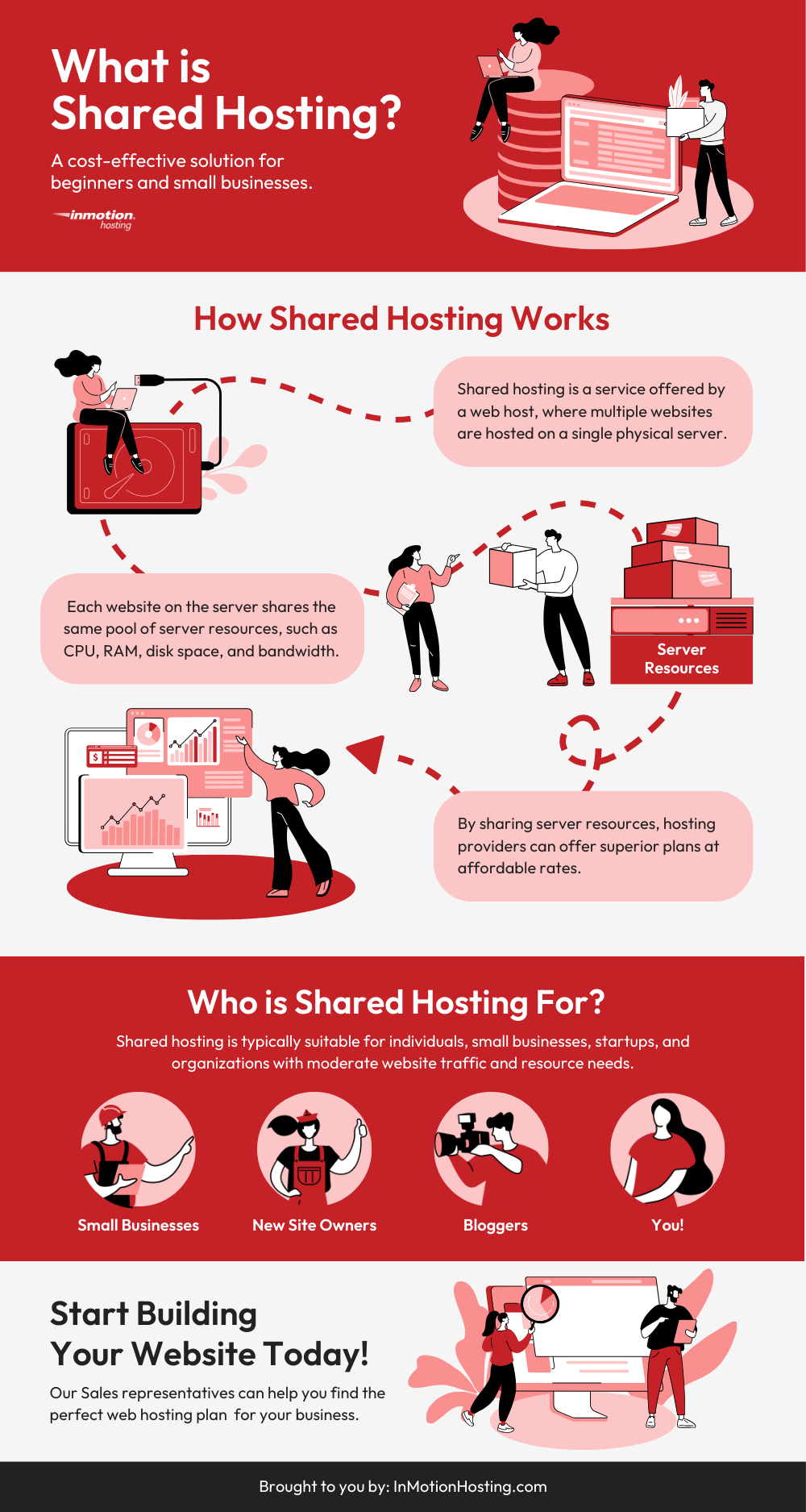
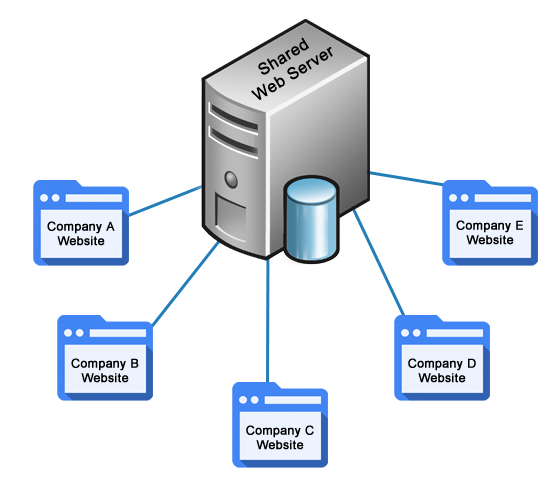
Shared hosting means many websites use one server. Each site gets a part of the server. This keeps costs low. It’s a budget-friendly choice for new websites. All sites share the same resources. These include CPU, memory, and bandwidth.
Shared hosting includes easy setup. You don’t need technical skills. Customer support is often available 24/7. Plans come with limited resources. This includes a set amount of storage and traffic. Many plans offer free domain names. You also get email accounts and basic security features.
Credit: www.inmotionhosting.com
Infrastructure And Setup
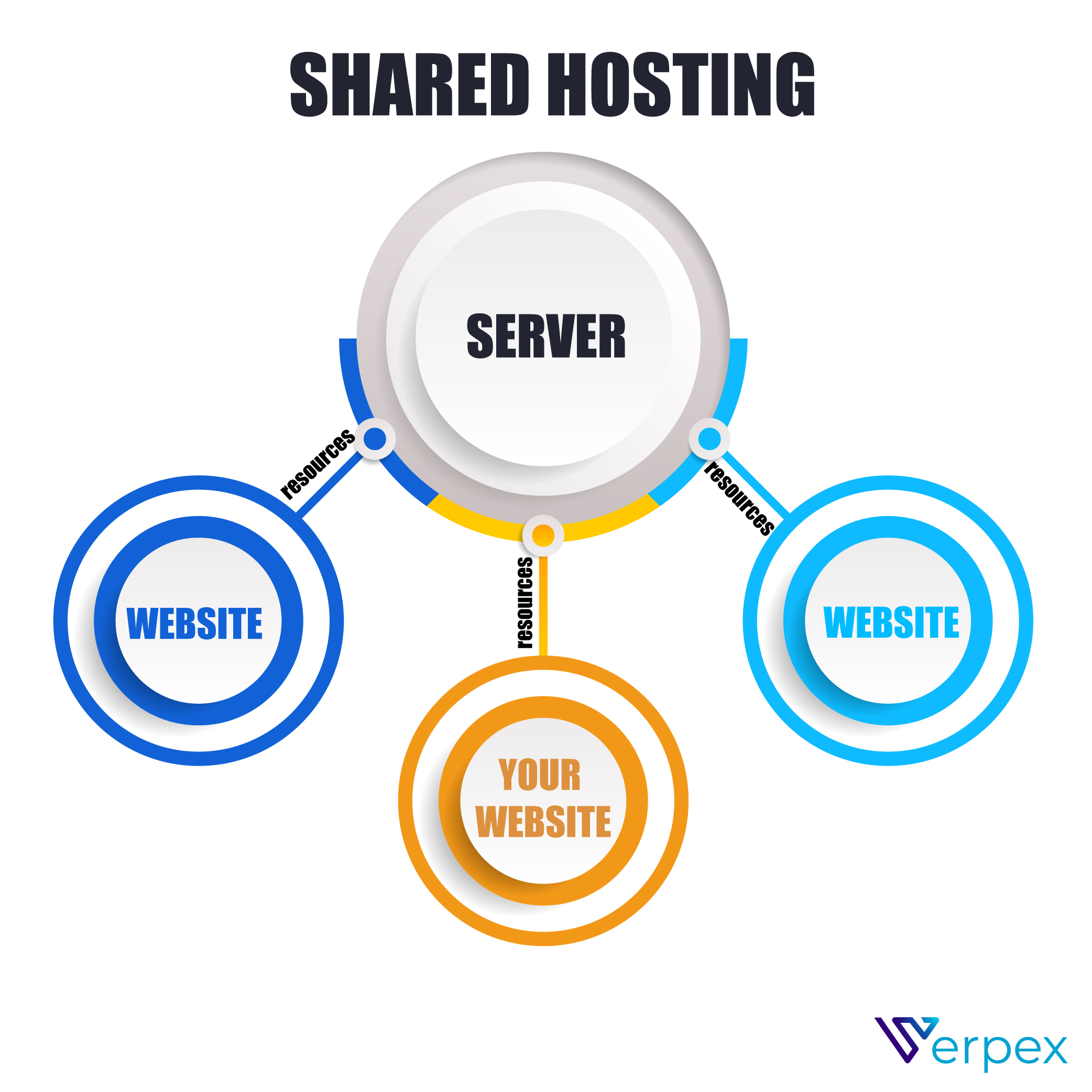
Shared web hosting uses one server for many websites. Each website gets a part of the server. This setup helps save costs. The server is like a big computer. It stores data and runs websites. The server has special software. This software manages websites. It also keeps them safe and working well.
Resources are things like CPU power, memory, and storage. In shared hosting, these resources are divided among all websites. Each site gets a fair share. If one site uses too much, others might slow down. Monitoring helps keep resources in check. This ensures every website runs smoothly.
Benefits Of Shared Hosting
Shared hosting is very affordable. Many users share one server. This means the cost is split among them. It’s a great option for small businesses and personal websites. You don’t need to spend much money. Hosting providers often offer low monthly fees. This makes it easy to start your website.
Shared hosting is easy to use. You don’t need to be a tech expert. Hosting providers offer user-friendly control panels. They help you manage your website easily. You can install applications with just a few clicks. This makes it simple to set up your site. Many providers offer customer support too. They help you if you have questions.
Limitations And Challenges
Shared web hosting can have slow performance. Many websites use the same server. If one site gets busy, others slow down. This can annoy visitors. They may leave if a page takes too long. A crowded server can also crash. Websites might go offline for a while. Fast loading pages are important. They keep visitors happy.
Security is a big worry in shared hosting. Many sites share one server. If one site gets hacked, others can get affected too. This makes personal data at risk. Strong passwords help protect sites. Regular updates are also important. Some hosting providers offer extra security. This can help keep sites safe.
Comparison With Other Hosting Types
Shared web hosting involves multiple websites using one server, sharing resources like storage and bandwidth. Compared to dedicated hosting, it’s more affordable but less customizable. Unlike VPS hosting, it doesn’t offer isolated environments, making it suitable for small businesses or personal websites with moderate traffic.
Shared Vs. Vps Hosting
Shared hosting is like sharing a classroom. Everyone uses the same space. VPS hosting is like having your own desk in the classroom. It gives more control. Shared hosting is cheaper. It’s good for small websites. VPS hosting is pricier but offers more security. More privacy too. Shared hosting limits resources. VPS allows more resources. It’s like having your own computer in the classroom. Choose VPS for more power and control.
Shared Vs. Dedicated Hosting
Shared hosting shares resources like a playground. Dedicated hosting is like owning the playground. Shared hosting is less costly. It works for small sites. Dedicated hosting costs more. It’s good for big websites. Shared hosting can slow down. Dedicated hosting is faster. You get all the resources. Dedicated hosting offers better security. It’s best for businesses. Choose shared hosting for easy use. Choose dedicated hosting for full control.
Credit: verpex.com
Choosing The Right Shared Hosting Provider
Features are very important in shared hosting. Look for unlimited storage. Check for bandwidth limits too. Some hosts offer free domain names. Others might give a website builder. These features help you create a website easily. Always check what’s included before buying.
A good host has 24/7 customer support. This means help anytime. Good support solves problems fast. Reliability is also key. A reliable host has uptime of 99% or more. This keeps your site online. Check reviews for feedback on support and reliability.
Optimizing Shared Hosting Performance
Shared hosting means sharing a server with others. Resource management is important. Each website gets a part of the server. CPU, RAM, and bandwidth are the main resources. Use them wisely. Avoid heavy plugins and scripts. Too many can slow down your site. Monitor your site regularly. Check resource usage. Keep it low for better speed. Choose a hosting plan that fits your needs. Don’t go for the cheapest option. It may not have enough resources. Optimize images and files. Smaller files load faster. This helps in saving bandwidth. Always aim for efficient resource use.
Security is important for shared hosting. Many sites share the same server. Vulnerabilities can affect all sites. Always keep software updated. Updates fix security holes. Use strong passwords. Change them often. Avoid common words and numbers. Install security plugins. They help keep your site safe. Backup your data regularly. If something goes wrong, you won’t lose everything. Choose a host with good security features. Look for firewalls and SSL certificates. They protect data from hackers. Security should never be ignored.
Credit: www.seekahost.com
Frequently Asked Questions
What Are The Downsides Of Shared Hosting?
Shared hosting can lead to slow website performance due to resource sharing. Security risks may increase with multiple users. Limited customization options restrict advanced configuration. Traffic spikes on neighboring sites can affect your site. Hosting providers often impose strict resource limits.
How Does Shared Web Hosting Work?
Shared web hosting involves multiple websites using a single server’s resources. Each site gets a portion of bandwidth, storage, and processing power. This cost-effective option is ideal for small businesses and personal websites. Users share server maintenance costs, making it affordable and efficient for beginners.
How Safe Is Shared Hosting?
Shared hosting is generally safe for small websites. Security measures are in place, but risks exist due to resource sharing. Regular updates and strong passwords enhance safety. Choose reputable providers for better protection. Always back up your data to prevent loss.
What Is The Difference Between Shared Hosting And Web Hosting?
Shared hosting is a type of web hosting where multiple websites share one server. Web hosting is a broader term encompassing various hosting types, including shared, VPS, and dedicated hosting. Shared hosting is cost-effective and suitable for small websites, while web hosting includes options for larger sites with higher traffic.
Conclusion
Shared web hosting offers a budget-friendly way to start online. It allows multiple websites to share one server’s resources. This keeps costs low but limits customization options. Ideal for beginners or small websites. It’s easy to set up and manage.
As traffic grows, you might need more power. Then, consider upgrading to a different hosting plan. Shared hosting is great for learning the basics. It gives you a solid foundation to build your online presence. Choose wisely based on your needs.
Start small, grow big. Explore options, and enjoy your digital journey!


