

Are you curious about how much a WordPress developer can really earn? Whether you’re thinking about starting a career in WordPress development or want to know if your current skills are paying off, this article is for you.
Understanding the earning potential can help you plan your next steps and make smarter career choices. Keep reading to discover the factors that affect WordPress developer salaries and how you can boost your income. Your financial future might depend on what you learn here.
WordPress Developer Salary Trends
Understanding WordPress developer salary trends helps job seekers and employers. It shows how pay has changed and what to expect next. Tracking these trends reveals the demand for WordPress skills and market shifts. This insight guides career planning and hiring decisions.
Historical Salary Growth
WordPress developer salaries have grown steadily over the last decade. Early 2010s wages were lower due to fewer web projects. Growth picked up as WordPress became the top website platform. More businesses needed developers to build and manage sites.
Between 2015 and 2020, average salaries rose by about 30%. Rising demand for custom themes and plugins helped boost pay. Freelance WordPress developers also found more opportunities and higher rates. Overall, the market showed strong growth in earnings.
Projected Salary Changes For 2025
Salary forecasts for WordPress developers suggest continued growth through 2025. Increased use of WordPress in e-commerce and business sites supports this trend. Employers seek developers with skills in security and performance optimization.
Remote work options may also influence salary structures. Developers who adapt to new trends will likely earn more. Staying updated with WordPress technologies remains key to better pay.
Factors Influencing Earnings
Several factors affect how much a WordPress developer can earn. These factors vary by person and situation. Understanding them helps to see why salaries differ. Experience, location, job type, and demand all play roles.
Experience And Skill Level
Experience matters a lot in earnings. New developers usually earn less. Skilled developers with years of work get higher pay. Special skills like plugin development or SEO can raise income. The more you know, the more you can earn.
Geographic Location
Where a developer lives impacts salary. Developers in big cities or developed countries earn more. Rural areas or smaller towns often pay less. Remote work can sometimes balance this gap. Still, location remains a key factor in pay.
Type Of Employment
Full-time jobs usually offer steady income and benefits. Freelancers can earn more by taking many projects. Agencies might pay less but offer constant work. Contract jobs pay per project and vary widely. Employment type shapes earnings clearly.
Industry Demand
High demand for WordPress developers can raise salaries. Popular industries like e-commerce pay better. Slow industries might offer fewer jobs and lower pay. Trends in technology also affect demand. More demand means more opportunities and better pay.
Salary Comparison By Region
WordPress developer salaries vary widely across different regions. The cost of living, demand, and local economy influence pay rates. Understanding these differences helps developers and employers set realistic expectations.
Some regions offer higher salaries due to strong tech markets. Others have lower pay but growing opportunities. Below is a breakdown of salaries by key regions.
North America
North America leads in WordPress developer salaries. The United States offers some of the highest wages globally. Average salaries range from $70,000 to $110,000 per year. Canada follows with slightly lower pay but good benefits. Developers in major cities earn more due to high demand.
Europe
Europe shows varied salaries depending on the country. Western Europe, especially Germany and the UK, offers competitive wages. Salaries range from €40,000 to €70,000 annually. Eastern Europe pays less but has a growing tech scene. Countries like Poland and Romania offer opportunities at lower costs.
Asia-pacific
Asia-Pacific has a wide salary range for WordPress developers. Australia and New Zealand provide decent pay, around $50,000 to $80,000 yearly. India and Southeast Asia have lower salaries, often between $10,000 and $25,000. Many developers here work remotely for international clients.
Other Regions
Other regions, such as Latin America and Africa, show emerging markets. Salaries tend to be lower, usually under $20,000 per year. Remote work and outsourcing create new chances for developers. Growth in internet access boosts demand for WordPress skills worldwide.
Credit: www.codeable.io
Freelance Vs Full-time Salaries
Choosing between freelance and full-time work affects a WordPress developer’s income. Both paths have pros and cons. Freelancers enjoy flexibility but face income ups and downs. Full-time jobs offer steady pay but less freedom. Understanding these differences helps developers decide their best fit.
Hourly Rates For Freelancers
Freelance WordPress developers set their own hourly rates. Rates vary widely based on skill, experience, and location. Beginners might charge $15 to $30 per hour. Experienced developers can earn $50 or more per hour. Freelancers control their workload to increase earnings. Rates may rise with good client reviews and quality work.
Benefits Of Full-time Positions
Full-time WordPress developers receive fixed salaries. These jobs often include benefits like health insurance and paid leave. Companies provide training and career growth chances. Developers focus on one project or team. This can improve skills and job security. Employers cover taxes and retirement plans for employees.
Income Stability
Freelancers face income ups and downs each month. Work may not be consistent, causing pay gaps. Full-time developers get regular monthly paychecks. This stability helps with budgeting and planning. Freelancers must save for slow periods. Full-time jobs offer steady income but less pay flexibility.
Specializations That Boost Pay
Specializing in certain areas of WordPress development can increase earnings significantly. Employers and clients pay more for skills that solve specific problems. Developers who focus on in-demand skills often find better job offers and freelance projects. Below are key specializations that boost pay for WordPress developers.
Theme Development
Creating custom WordPress themes requires strong design and coding skills. Themes control the look and feel of a site. Developers who build unique, user-friendly themes attract higher-paying clients. Expertise in responsive design and cross-browser compatibility adds value. Businesses pay more for themes that match their brand perfectly.
Plugin Development
Plugins add new features to WordPress sites. Writing custom plugins requires deep knowledge of WordPress APIs and PHP. Developers who create useful, stable plugins can charge premium rates. Plugins that improve site functionality or automate tasks are highly sought. Skilled plugin developers often earn more than generalists.
E-commerce Integration
Many businesses sell products online using WordPress. Integrating e-commerce platforms like WooCommerce demands technical expertise. Developers who set up secure, smooth online stores earn higher fees. Knowledge of payment gateways and shipping options is crucial. Clients pay well for flawless e-commerce sites that boost sales.
Performance Optimization
Fast-loading websites improve user experience and search rankings. Developers specializing in speed and performance optimization are in high demand. Techniques include caching, image optimization, and database tuning. Developers who fix slow sites often charge more. Speed experts help websites run smoothly under heavy traffic.
Tips To Increase WordPress Developer Income
Increasing your income as a WordPress developer takes effort and smart moves. Focus on building your skills and reputation to attract better projects. Small changes can lead to bigger earnings.
Here are some key tips to help raise your WordPress developer income steadily.
Building A Strong Portfolio
Your portfolio shows your work to potential clients. Include your best projects with clear descriptions. Show different types of websites you have built. Make sure your portfolio looks neat and professional. A strong portfolio builds trust and helps you get higher-paying jobs.
Upskilling And Certifications
Learn new WordPress skills regularly. Follow online courses and tutorials to stay updated. Get certifications from trusted platforms to prove your expertise. Skills like plugin development or theme customization are valuable. More skills mean more chances to earn well.
Networking And Client Acquisition
Connect with other developers and clients through social media and forums. Attend local meetups or online groups to find new opportunities. Ask past clients for referrals. Building good relationships helps you get steady work and better pay. Good clients often bring ongoing projects.
Common Salary Myths And Realities
Many people have ideas about how much WordPress developers earn. Some of these ideas are wrong. These myths can confuse those who want to become developers or hire one. Knowing the truth helps make better decisions about salary and career paths.
This section clears up common salary myths about WordPress developers. It shows what is true and what is not.
Myth: All WordPress Developers Earn The Same
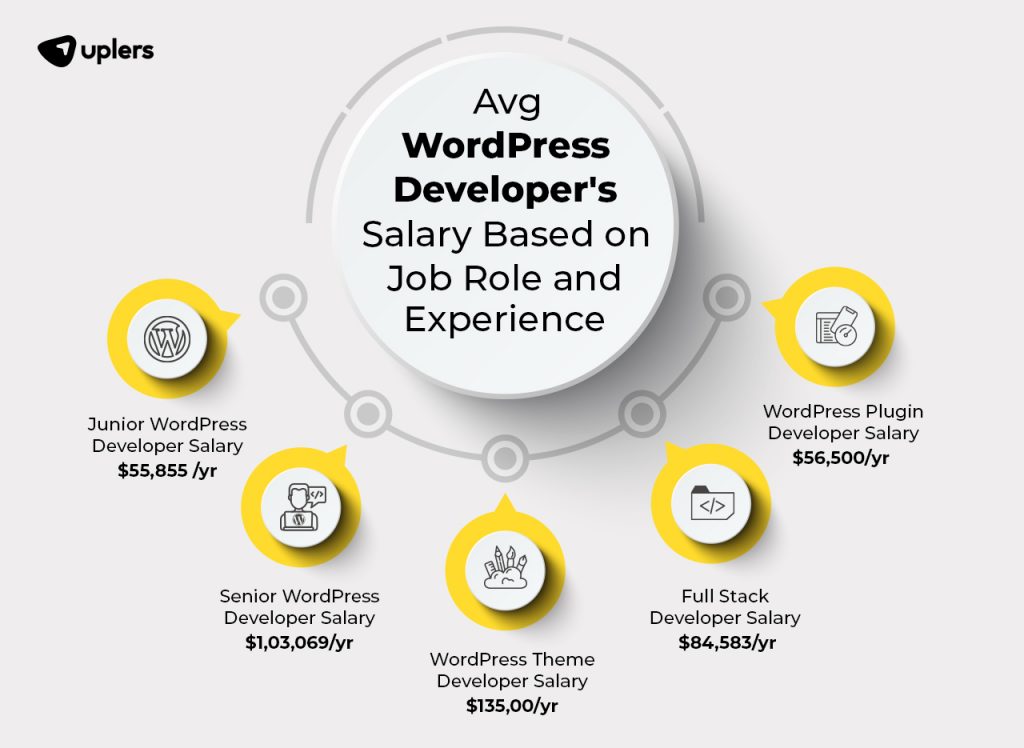
People think every WordPress developer gets the same pay. This is not true. Salaries vary by experience, location, and skill level. A beginner earns less than an expert. Location also matters—developers in big cities often earn more.
Myth: Freelancers Always Earn More Than Employees
Many believe freelancers make more money than full-time workers. Freelancers can set their rates but face unstable income. Employees get steady pay and benefits. The real earnings depend on workload and client base.
Myth: WordPress Development Is Low Paid
Some think WordPress developers earn very little. This is not always true. Skilled developers with good portfolios can earn competitive salaries. Specialized tasks like plugin or theme development pay better.
Reality: Experience And Skills Drive Salary
Experience and skills have the biggest impact on pay. Developers who learn coding, design, and SEO get higher salaries. More skills mean more job options and better pay.
Reality: Location Influences Earnings
Location plays a strong role in salary levels. Developers in countries with higher living costs usually earn more. Remote jobs can offer different pay scales depending on the employer.
Credit: www.uplers.com

Credit: blog.hubspot.com
Frequently Asked Questions
How Much Does A WordPress Developer Earn Yearly?
A WordPress developer’s annual salary varies by experience and location. On average, it ranges from $40,000 to $80,000. Skilled developers or freelancers can earn significantly more. Earnings depend on project complexity, client type, and additional skills like plugin or theme development.
What Factors Affect A WordPress Developer’s Salary?
Salary depends on experience, location, skillset, and project complexity. Freelancers may earn more per project but lack steady income. Specialized skills like WooCommerce or custom plugin development boost earnings. Company size and industry also influence pay rates for WordPress developers.
Can Freelance WordPress Developers Earn More Than Salaried Ones?
Yes, freelancers can earn more by charging hourly or per project. They control client selection and rates. However, income varies and depends on marketing skills and client base. Freelancing offers flexibility but less job security compared to salaried roles.
What Is The Average Hourly Rate For WordPress Developers?
The average hourly rate ranges from $20 to $100, depending on skill and experience. Beginners charge less, while experts with specialized skills command higher rates. Location and client budget also influence hourly fees for WordPress developers.
Conclusion
WordPress developers earn different amounts based on skills and experience. Location and project type also affect pay. Freelancers may earn more by finding steady clients. Learning new tools can increase earning chances. Many enjoy flexible work hours and good pay.
This career suits those who like coding and creativity. Understanding earnings helps plan a future in WordPress development. Keep improving skills to earn better over time. The WordPress market remains strong and growing steadily.


