
Are you planning to launch a website, but feeling overwhelmed by the myriad of web hosting options? You’re not alone.
Choosing the right amount of web hosting is a critical decision that can affect your site’s performance and your peace of mind. Too little, and your site may crash during peak traffic times. Too much, and you could end up spending unnecessary money.
You’ll discover exactly how much web hosting you need, tailored to your specific needs and goals. Dive in to find the perfect balance that ensures your website runs smoothly without breaking the bank.
Types Of Web Hosting
Shared hosting means many websites on one server. It’s like sharing a room with friends. It’s cheap and good for small websites. But, if one site is busy, others slow down. Great for beginners with tight budgets. It’s easy to manage too.
VPS stands for Virtual Private Server. It’s like having your own room. You get more control and resources. Good for growing websites needing more power. It’s pricier than shared hosting. But, it’s still affordable. Offers more security and speed.
Dedicated hosting means a whole server for you. No sharing with others. Best for big websites with lots of traffic. It’s more expensive but very reliable. Offers the best speed and security. You need tech skills to manage it well.
Cloud hosting uses many servers together. It’s like having many rooms. If one room is full, use another. Very flexible and scalable. Great for sites with changing traffic. Pay only for what you use. Offers great reliability and uptime.
Assessing Your Website Needs
Think about how much traffic your website will get. More visitors need more resources. A small blog might get few visitors. A big store might get thousands. Choose hosting that matches your traffic needs. It helps keep your site running smoothly.
Websites can be big or small. A few pages or many. Videos and images make sites bigger. Text-only sites are smaller. More content needs more space. Make sure your hosting plan has enough storage. This keeps your site from slowing down.
Plan for the future. Your website might grow. More pages, more visitors. Choose hosting that can grow with you. This saves time and trouble later. Make sure your host can handle changes. This keeps your site strong as it grows.
Bandwidth And Storage Requirements
Understanding bandwidth and storage is key in choosing web hosting. Bandwidth affects how much data transfers. Storage determines how much content you can store. Assess your site’s needs carefully.
Understanding Bandwidth
Bandwidth measures how much data moves from your site to users. Bigger sites need more bandwidth. Small sites need less. Bandwidth is key for smooth browsing. Too little bandwidth can slow your site. Site speed matters. Faster sites are better for visitors.
Estimating Storage Needs
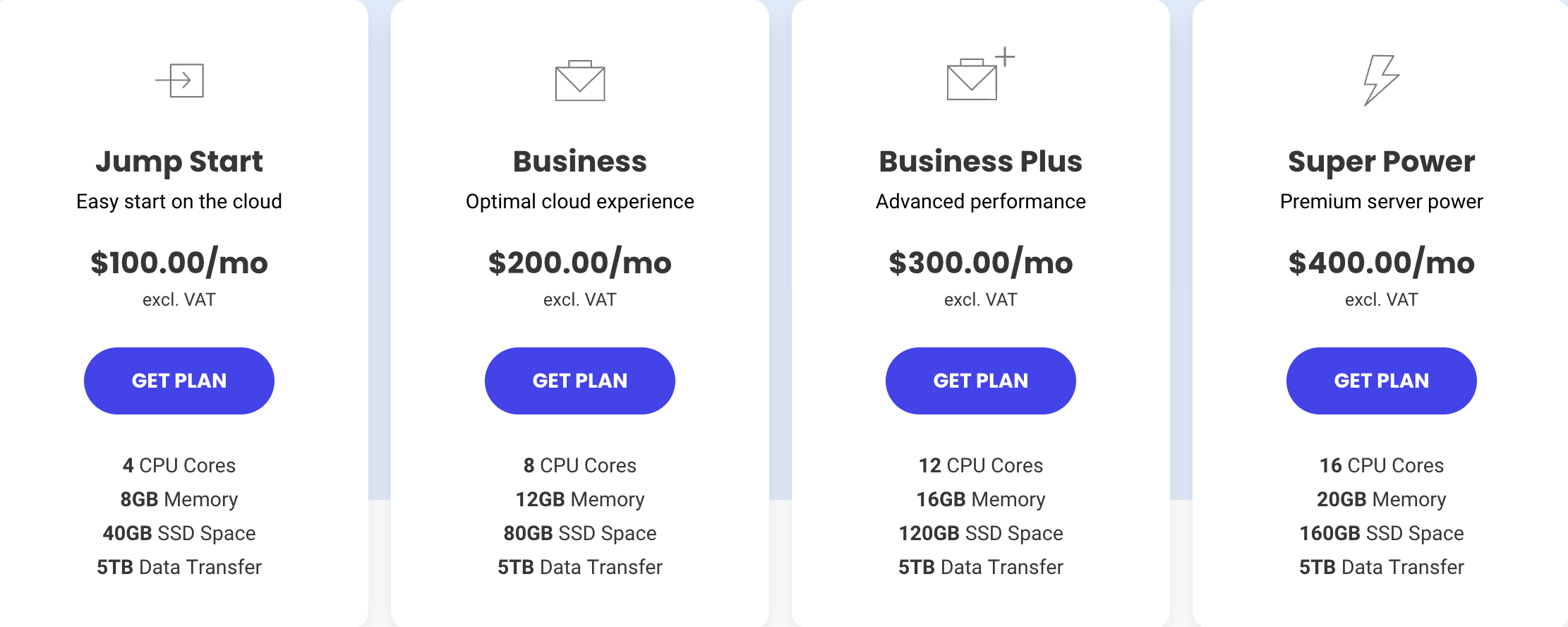
Storage is where your site files stay. Pictures, text, videos need storage. More files need more storage. Less files need less storage. Check file sizes. Add them up. Choose storage based on file size. Choose wisely. Enough storage keeps your site working well. Too little storage can cause problems.
Credit: www.ryrob.com
Performance And Speed Considerations
Choosing the right web hosting is crucial for speed and performance. More storage and bandwidth ensure your site runs smoothly. Faster loading times enhance user experience and improve search engine rankings. Select hosting that matches your website’s needs for optimal performance.
Server Location
Server location is very important for fast website speed. If the server is far from your visitors, the website loads slowly. Choose a server near your main audience. This helps improve load times. Fast load times make users happy. They stay longer on your website. Search engines also like faster websites. This helps in better rankings.
Resource Allocation
Web hosting comes with different resources. These include CPU, RAM, and storage. More visitors need more resources. Basic websites need fewer resources. Busy websites need more. Allocate resources based on your website’s needs. This ensures smooth performance. Not enough resources can slow down your site. Always monitor and upgrade as needed.
Security Features
SSL Certificates keep your data safe. They protect user information. Your site looks more trustworthy. Users see a lock symbol in the browser. This means their data is encrypted. No one can steal it. An SSL certificate helps search rankings. Google likes secure sites. It’s easy to add SSL to your hosting plan.
DDoS Protection stops attacks. Hackers try to flood your site. They send too much traffic. DDoS protection keeps your site running. It blocks bad traffic. Your site stays online. Users can visit without problems. Hosting plans often include DDoS protection. It’s an important feature. Keeps your site safe.
Credit: www.bitcatcha.com
Technical Support And Customer Service
Good web hosting offers 24/7 support. This means help is always available. Need help at night? No problem. Someone is there to assist. This support is very important. It solves issues quickly. No waiting for hours.
Troubleshooting help is a must. It finds and fixes problems. Experts guide you step by step. This makes your site run smoothly. No technical skills? That’s okay. The support team is ready to assist. Enjoy peace of mind with expert help.
Scalability Options
Web hosting needs change as your site grows. Upgrading plans allows more storage and bandwidth. Start with a small plan. Upgrade when traffic increases. It’s easy. Click a few buttons. Enjoy more resources. No downtime. No stress.
Manage resources easily with web hosting. Add more CPU or RAM quickly. Adjust settings based on your needs. Save money by using only what you need. Avoid paying for unused resources. Flexible management keeps your site running smoothly.
Budget And Cost Analysis
Choosing the right web hosting plan is important. Shared hosting is usually the cheapest. It is good for small websites. VPS hosting costs more but offers better performance. Suitable for growing sites. Dedicated hosting is the most expensive. Best for large websites with high traffic.
Value for money is key. Cheaper plans may have limited features. Check the features you need. Some hosts offer discounts for the first year. Renewal prices may be higher. Always read the terms. This helps avoid surprises later.
Making The Final Decision
Aligning with business goals is important for web hosting. Small businesses might need less space. Bigger companies might need more. Think about your website traffic. More traffic needs more hosting power. Consider your future plans. Do you want to grow your business? Then choose a hosting plan that can grow with you. This way, you won’t have to switch plans later.
Long-term strategy involves planning ahead. Pick a hosting service that can last. Some services offer good deals for long-term use. This can save money. Make sure the service has good customer support. You might need help if things go wrong. Choose a service that can keep your site safe. Security is important for any business. A good plan today can help in the future.

Credit: hostadvice.com
Frequently Asked Questions
How Much Should I Pay For Website Hosting?
Website hosting costs vary from $3 to $300 monthly. Shared hosting is cheaper, while dedicated hosting is expensive. Prices depend on features, bandwidth, and support level. Consider your budget and website needs to choose the right plan. Always compare hosting providers for the best value and performance.
Do I Really Need A Host For My Website?
Yes, every website needs hosting to be accessible online. Hosting stores your website’s files on a server. Without hosting, your site won’t be visible to users. Choose a reliable hosting provider to ensure fast loading times and security. Proper hosting is essential for your website’s performance and user experience.
How Much Money Is Required To Host A Website?
Hosting a website can cost $3 to $100 monthly. Prices vary by hosting type and provider. Shared hosting is cheaper, while dedicated servers are costly. Consider domain registration and additional services like SSL certificates for a complete budget. Choose a plan based on your website’s needs and traffic.
How Much Should You Spend On Hosting?
Hosting costs vary based on needs. Basic plans start at $3-$10 monthly. For advanced features, expect $20-$100. Consider bandwidth, storage, and support when choosing. Always balance cost with requirements for optimal performance.
Conclusion
Choosing the right web hosting is crucial for your website’s success. Start by assessing your site’s needs. Consider traffic, storage, and functionality. Don’t ignore your budget. A small site may need less hosting. Bigger sites require more resources. Evaluate hosting types: shared, VPS, or dedicated.
Each offers different benefits. Remember, your choice impacts speed and security. Take time to compare providers. Read reviews. Look for reliable support. Good hosting enhances user experience. Your website deserves the best hosting. Choose wisely for long-term growth. Keep your site running smoothly.


