
Have you ever found yourself staring at endless web hosting options, confused about how much storage you actually need? You’re not alone.
Choosing the right amount of storage for your website can feel like a daunting task, but it doesn’t have to be. Imagine unlocking the secret to seamless web performance while saving money by not overspending on unnecessary space. Sounds enticing, right?
You’ll discover exactly how to determine your web hosting storage needs without getting overwhelmed. We’ll break down the essentials so you can make an informed decision that suits your specific requirements. Whether you’re launching a personal blog, an online store, or a business website, understanding your storage needs can set you on the path to success. Don’t let the fear of insufficient storage hold you back. Let’s dive in and find out what works best for you!
Credit: www.bitcatcha.com
Factors Affecting Storage Needs
Different websites need different storage. A simple blog needs less space. E-commerce sites need more storage. They have many product images. Educational sites with videos also need more space. Choose storage based on your website type.
Text files need less space. Images and videos need more storage. A website with many pictures will require extra space. More content means more storage. Plan your storage based on your content type.
More visitors use more storage. High traffic sites need bigger space. User interaction like comments or uploads also need extra storage. Plan storage for growing traffic. Always be ready for more users.
Types Of Web Hosting Storage
Shared hosting is like sharing a room. Many users share one server. It’s cost-effective and great for small websites. But storage is limited. You might get 10GB to 50GB of storage. It suits blogs or personal sites. High traffic can slow your site. So, choose wisely.
VPS stands for Virtual Private Server. It offers more space than shared hosting. You get a part of a server. It’s more private and secure. Storage ranges from 20GB to 100GB. It’s good for medium-sized websites. You have more control and flexibility. But it’s a bit pricier.
Dedicated hosting is like owning a house. The whole server is yours. You get lots of storage, often up to 1TB. It’s perfect for large businesses. You have full control over the server. It’s very secure and fast. But it costs more than other hosting types.
Cloud hosting uses many servers. Your data is stored in the cloud. Storage can be scalable. This means you can get more space if needed. It’s great for growing websites. You pay for what you use. It’s flexible and reliable. Ideal for dynamic websites.
Estimating Storage Requirements
Every website has content. This includes text, images, and videos. Text files are small and need less space. Images take more space, depending on quality. Videos use the most space. A small website may need less than 1 GB of space. A big site with videos might need 10 GB or more.
Databases store important information. They hold user data and site content. Small sites use simple databases. These need less space. Bigger sites have complex databases. These need more storage. An average database might need 500 MB to 1 GB.
Backups are copies of your site. They help in case of loss. It’s smart to have backups. Each backup needs space. Calculate space based on your content and database size. Always keep extra space for backups. This ensures safety and peace of mind.
Optimizing Storage Usage
Large files take up more storage. Compress files to save space. Use tools like ZIP or GZIP. They make files smaller without losing data. Smaller files load faster. Visitors like quick websites. Speed matters for user happiness.
Content Delivery Networks, or CDNs, help save storage. CDNs store copies of your data. This reduces load on the main server. It also makes your site faster. Users get data from nearby locations. This is good for global visitors.
Clean your storage regularly. Delete old files you don’t need. Remove unused plugins or themes. This frees up space. Less storage means lower costs. It also keeps your site neat and tidy.
Future Storage Needs
Deciding storage needs for web hosting depends on your website’s size and content type. Larger sites, like e-commerce platforms, require more storage. Regular blogs or small business sites may need less space.
Scaling With Business Growth
Businesses grow over time. Storage needs will grow too. A small website may need less storage. As the business grows, more storage is needed. Customer data increases. More products and services are added. Content becomes richer. Images, videos, and other media require space. Always plan for more storage. Anticipate your business needs. Choose a hosting plan that scales. Keep future growth in mind. Adjust as needed.
Adapting To Technological Changes
Technology changes fast. Web hosting must adapt. New tools and features emerge. They need more storage. Security measures evolve. They require more data space. Websites become more interactive. User experiences improve. Interactive features need additional storage. Stay updated with trends. Consider updates and new technologies. Plan storage to adapt easily. Choose flexible hosting solutions. Keep adapting as technology changes.
Credit: www.ryrob.com
Choosing The Right Hosting Plan
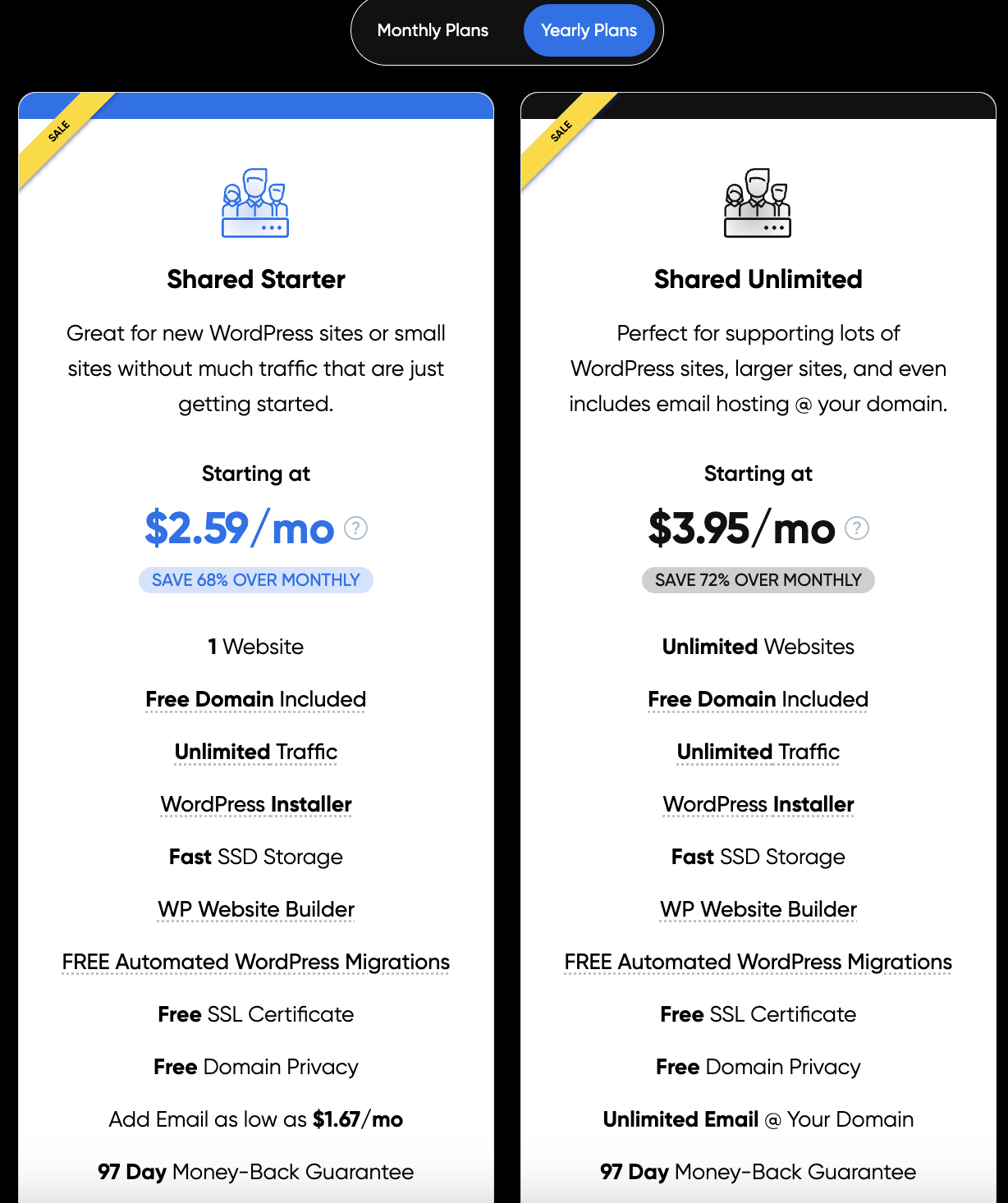
Web hosting plans offer various storage options. Some plans provide limited storage, while others offer unlimited space. Shared hosting often comes with restricted storage. In contrast, dedicated hosting provides more flexibility. Understanding your website needs is crucial. For simple sites, less storage is sufficient. Large e-commerce sites require more space. Consider your site’s future growth. A scalable plan is ideal. It’s always better to have more space than less. Look for plans that allow easy upgrades. This ensures your site can grow without issues.
Costs vary across hosting plans. More storage generally costs more. Balance is key. Don’t pay for space you won’t use. Analyze what your site needs. Spending more for unnecessary storage is wasteful. Benefits of more storage include faster site performance. Better performance can enhance user experience. Improved experience can lead to more visitors. More visitors can mean higher profits. Therefore, investing wisely in storage is crucial. Ensure you choose a plan that offers good value. Always consider both costs and benefits carefully.

Credit: www.ourchurch.com
Frequently Asked Questions
How Much Storage Do I Need To Host A Website?
Most websites need 1-5 GB of storage. Simple sites require less; complex ones need more. Consider multimedia content and future growth.
Is 20 Gb Storage Enough For A Website?
20 GB storage typically suffices for small to medium websites. It supports moderate content, images, and traffic. Larger sites with extensive media might need more. Regular monitoring of storage usage is essential. Consider future growth when choosing storage. Always ensure your hosting plan can be upgraded if needed.
Is 100gb Enough For A Website?
100GB is usually ample for most websites, including those with multimedia content. It supports extensive data storage and high traffic, ensuring smooth performance. Consider future growth and specific needs like e-commerce or large databases. Regular monitoring helps optimize storage usage.
Is 50gb Enough For A Website?
50GB is usually enough for small to medium websites. It supports images, videos, and multiple pages. However, for e-commerce or high-traffic sites, more storage may be needed. Regularly assess your website’s growth and storage requirements to ensure optimal performance and user experience.
Conclusion
Choosing the right storage for web hosting is crucial. Consider your website’s needs. Small sites might need less space. Bigger sites require more. Think about images, videos, and databases. These need storage. Regular updates may increase storage needs. Monitor usage to avoid problems.
Plan for future growth. Choose scalable options. This ensures smooth operation. Good storage choices improve site speed. They enhance user experience too. Avoid overbuying or underestimating needs. Balance is key. Proper planning saves time and money. Make informed decisions for lasting success.


