
Have you ever wondered how much you should be paying for web hosting each year? It’s a common question, especially if you’re looking to set up your first website or considering a change from your current provider.
With so many options out there, it can be overwhelming to figure out what’s reasonable and what’s not. Here’s the good news: understanding the true cost of web hosting doesn’t have to be a mystery. By the end of this article, you’ll have a clear idea of what you should be spending to get the best value for your needs.
Dive in to discover the hidden factors that could be affecting your hosting costs and make sure you’re not overpaying or compromising on quality. Your perfect hosting plan awaits just a scroll away.
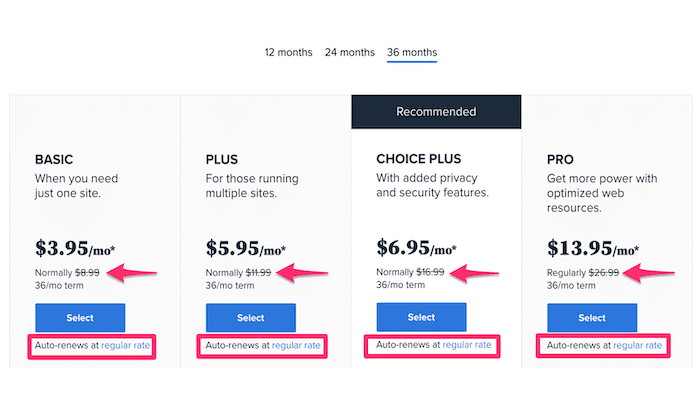
Credit: neilpatel.com
Factors Influencing Web Hosting Costs
Web hosting costs vary based on server type, storage, bandwidth, and support. Shared hosting is cheaper, while dedicated servers are pricier. Features like SSL certificates and backups also affect the price. Consider your website’s needs to determine an appropriate annual hosting budget.
Type Of Hosting Service
The cost varies by the hosting type. Shared hosting is cheap. Dedicated hosting is costly. VPS falls in between. Choose based on your needs.
Storage And Bandwidth Requirements
More storage costs more money. High bandwidth adds to the cost. Consider your site’s needs. This helps control expenses.
Security Features
Strong security is vital. Basic security is often free. Advanced features cost extra. They protect your data.
Technical Support
Quality support is crucial. Basic support is often free. Premium support costs more. It’s helpful during issues.

Credit: www.siteground.com
Types Of Web Hosting
Shared hosting is affordable. Multiple websites share one server. It’s great for beginners. Costs are low because of sharing. Ideal for small sites. Easy to use. No technical skills needed. Perfect for blogs or personal pages.
VPS offers more control. It’s a step up from shared hosting. Costs are higher than shared. You get your own space. Great for growing sites. More stable and secure. Needs some technical skills. Ideal for medium-sized businesses.
Dedicated hosting gives full control. You have an entire server. It’s more expensive. Best for large sites. High traffic sites need this. Offers the best performance. Requires technical knowledge. Suitable for big companies.
Cloud hosting is scalable. Uses many servers. It’s reliable and flexible. Pay for what you use. Costs vary with usage. Good for growing sites. Handles traffic spikes well. No worry about downtime.
Average Annual Costs
Shared hosting is often the cheapest option. Prices can start at $30 per year. Some plans may reach up to $150 yearly. This is good for small websites. Many businesses choose shared hosting to save money.
VPS hosting offers more control and resources. Prices usually start at $300 annually. Costs can go over $700 for advanced features. VPS is suited for growing sites. Many users like its flexibility.
Dedicated servers provide maximum control and power. Annual costs can begin at $1,000. Some high-end servers may cost over $5,000 a year. This choice is ideal for large businesses. They need security and performance.
Cloud hosting is scalable and flexible. Basic plans can start at $100 per year. Advanced options might exceed $500 yearly. Cloud hosting adapts to traffic changes. Many choose it for reliability.
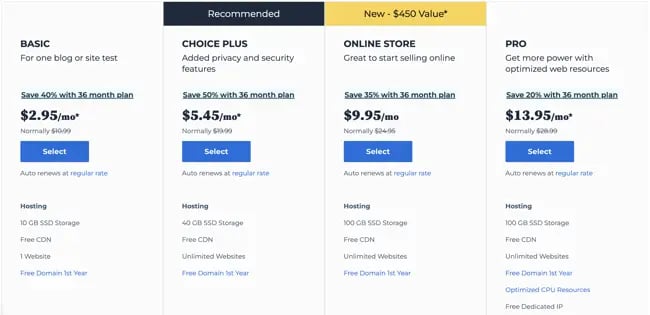
Credit: blog.hubspot.com
Hidden Fees And Additional Charges
Domain registration fees can surprise many people. Some web hosts charge extra for domain names. This fee is often yearly. It’s important to check if this cost is included. Otherwise, you might pay more than expected.
Paying for an SSL certificate is necessary for most websites. SSL keeps data safe. Sometimes, web hosts offer it for free. But, many charge extra for SSL. Always check SSL costs before choosing a host.
Backup and recovery services are crucial. Websites can have issues anytime. Backup services store your data safely. Web hosts often charge extra for recovery plans. Without them, you risk losing important information. Look for hosts that include these services in their plans.
Tips To Save On Web Hosting
Exploring web hosting costs can reveal significant savings annually. Comparing providers helps find affordable plans. Opt for a basic plan if your needs are minimal. Keep an eye out for discounts and promotions. Always check renewal prices to avoid surprises.
Choosing The Right Plan
Pick a plan that fits your needs. Beginners should start small. As your site grows, consider upgrading. Shared hosting is cheaper than dedicated hosting. Evaluate storage and bandwidth requirements. Avoid paying for features you won’t use. Compare plans from different providers. This helps find the best deal.
Long-term Contracts And Discounts
Many companies offer discounts for long-term contracts. Choosing a yearly plan can save money. Monthly plans tend to be pricier. Watch for seasonal deals and promotions. Some hosts offer special rates during holidays. This is a great way to reduce costs.
Bundled Services
Some hosts bundle services together. This can include domain registration and email accounts. Bundled services may offer a better price. Compare individual costs versus bundled deals. Make sure the bundle includes essentials. Extras can be enticing but unnecessary. Always check the fine print for hidden fees.
Comparing Web Hosting Providers
Web hosting costs vary widely, typically ranging from $30 to $300 per year. Factors affecting price include storage, bandwidth, and support options. Understanding these can help in choosing the right plan for your needs.
Evaluating Performance And Reliability
Web hosting performance is crucial. Fast loading times keep users happy. Reliability is equally important. A site that crashes often frustrates visitors. Uptime guarantees are a good indicator. Check providers for 99.9% uptime promises. This ensures your site stays online.
Customer Support And Service Levels
Good customer support solves issues quickly. 24/7 assistance is ideal. You never know when problems might arise. Live chat can be faster than emails. Phone support is also useful. Check if there are helpful resources available. These can be guides or FAQs.
User Reviews And Recommendations
User reviews give insights into a provider’s reputation. Positive feedback suggests a reliable service. Look for consistent praise about speed and support. Negative reviews may highlight common issues. Recommendations from friends can also help. Choose a provider with trusted reviews.
Frequently Asked Questions
How Much Does It Cost To Host A Website For 1 Year?
Website hosting costs vary, typically ranging from $30 to $300 annually. Pricing depends on hosting type and provider. Shared hosting is usually cheaper, while VPS or dedicated hosting can be more expensive. Consider features, support, and bandwidth when choosing. Always compare providers to find the best value for your needs.
How Much Should I Pay Someone To Host My Website?
Website hosting costs vary from $3 to $300 monthly. Shared hosting is cheaper, while dedicated servers cost more. Prices depend on server type, features, and support level. Consider your site’s needs and budget. Compare different providers to find the best value for your requirements.
How Much Should A Website Cost A Year?
The annual cost of a website ranges from $200 to $10,000. Factors like domain, hosting, design, and maintenance influence the price. Small sites typically cost less, while complex sites with custom features cost more. Always budget for potential updates and security enhancements.
How Much Should You Spend On Hosting?
Hosting costs vary based on needs. Basic plans start at $3-$10 monthly. Business plans range from $10-$30 monthly. Consider your website’s traffic, storage, and features. Choose a reputable provider that fits your budget and requirements. Investing in quality hosting ensures better performance and security for your website.
Conclusion
Choosing the right web hosting is vital. Costs vary greatly. Budget options exist for small sites. Larger sites may need premium plans. Consider your site’s needs. Balance features and price. Look at storage, bandwidth, and support. Compare several hosting providers.
Read user reviews for real insights. Remember, quality hosting helps your site grow. It’s an investment in your online presence. Make a smart choice that fits your budget. Your decision will impact your site’s performance. Prioritize reliability and support. A good host ensures a smooth experience.
Keep your goals in mind. Happy hosting!


