
Are you wondering how much you should be paying for monthly web hosting? You’re not alone.
Navigating the world of web hosting costs can feel like a maze, with prices ranging from just a few dollars to hundreds a month. But don’t worry—this article is here to guide you through the clutter. By the end, you’ll know exactly what to look for and how to find the best deal without sacrificing quality.
Imagine having peace of mind knowing you’re getting the best bang for your buck. Ready to uncover the secrets behind web hosting costs and make an informed decision? Let’s dive in.
Factors Influencing Web Hosting Costs
Shared hosting is often cheaper. VPS hosting costs more, but gives better control. Dedicated hosting is the most expensive. It offers full server use. Cloud hosting can vary in price. It depends on use and needs.
Server location affects cost. Local servers may cost less. International servers could be pricier. Distance can change speed and price. Data centers in high-cost areas charge more.
More bandwidth means higher cost. Unlimited plans may be pricier. Storage size also matters. Large storage increases price. Some plans offer limited storage for lower rates.
Good security costs more. SSL certificates can add to price. DDoS protection may increase costs. Backup options might cost extra. Advanced security features raise hosting fees.
Types Of Web Hosting
Shared hosting is the most affordable option. Many websites share one server. This keeps the cost low. It is best for small websites or blogs. Performance can suffer if one site gets too much traffic. But it is easy to set up. Great for beginners.
VPS hosting offers more control and power. It is still shared but with fewer users. Each user gets a portion of server resources. This improves speed and reliability. It is suitable for growing websites. Costs more than shared hosting.
Dedicated hosting means you get an entire server. No sharing with others. This is best for large websites. It offers the highest performance and security. But it is the most expensive option. Good for big businesses.
Cloud hosting uses many servers. This improves uptime and reliability. It is very scalable. You pay for what you use. It is flexible and can handle traffic spikes. Ideal for eCommerce and large websites.
Comparing Hosting Providers
Several companies offer web hosting services. Each has its strengths. Bluehost is known for its reliability. HostGator offers affordable plans. SiteGround provides excellent customer support. A2 Hosting is famous for speed. DreamHost boasts unlimited storage options. Choosing the right provider depends on your needs.
Hosting prices can vary. Some companies offer fixed monthly rates. Others have tiered pricing. Free trials are common. Discounts often apply for yearly plans. Shared hosting is usually cheaper. Dedicated hosting costs more. VPS hosting falls in between. Consider your budget and requirements. Always read the fine print.
Service Level Agreements (SLAs) detail provider commitments. They cover uptime guarantees. Support response times are included. SLAs can offer peace of mind. Look for clear terms and conditions. Some providers offer money-back guarantees. This shows confidence in their service. Review SLAs carefully before committing.

Credit: www.siteground.com
Hidden Costs In Web Hosting
Monthly web hosting costs can surprise you with hidden fees. Extra charges for backups, SSL certificates, or customer support often add up. It’s crucial to check for these costs before choosing a hosting plan.
Setup Fees
Many web hosts charge a setup fee. This is a one-time cost. It covers the start of your service. Some hosts offer free setup. Always check the terms. Understand what you are paying for. Sometimes, setup fees are hidden. They can surprise you.
Renewal Rates
The first price you pay may be low. But renewal rates are often higher. Many people forget this. They only see the first price. Watch out for big price jumps. Always read the renewal costs. These costs can double or even triple.
Add-on Services
Some hosts offer extra services. These are called add-ons. They can be email, backups, or security. Each add-on has a price. Sometimes, these costs add up. Always check if you need them. It’s easy to pay for things you don’t use.
Budget-friendly Hosting Options
Free hosting is available but has limits. It suits small sites or projects. You may see ads on your site with free hosting. Limited storage and bandwidth are common. Consider if these limits fit your needs.
Hosting companies offer discounts and deals often. Check for special offers. Some deals cut prices by half. Seasonal sales are good times to buy. Look for annual plans with reduced rates. Keep an eye on promotions.
Pick a plan that fits your site’s needs. Shared hosting is cheap and good for beginners. VPS hosting offers more control but costs more. Dedicated hosting is for big sites and higher budgets. Balance cost and features wisely.
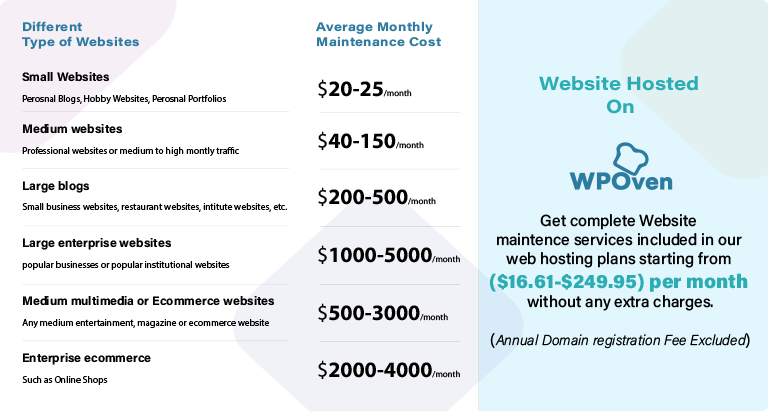
Credit: www.wpoven.com
Premium Hosting Features
Monthly web hosting costs vary based on features like storage and support. Basic plans start at $5, while premium options can reach $30 or more. Choose a plan that fits your needs and budget.
Enhanced Security
Enhanced security is very important in web hosting. It keeps your website safe. Hosting services offer strong firewalls to protect your data. They also provide regular security updates. These updates help in fixing bugs and issues. SSL certificates encrypt your data. This ensures safe communication between your website and users. Always choose a host with strong security measures.
Custom Support
Custom support helps you solve problems quickly. Many hosts offer 24/7 support. This means help is available any time of the day. Support teams assist with technical issues. They also help with website setup. Live chat, phone, and email support are common options. Choose a host that responds fast to your queries.
Performance Optimization
Performance optimization ensures your website runs smoothly. A fast website loads quickly for users. This keeps them happy and engaged. Hosts use caching to speed up page loads. They also use Content Delivery Networks (CDNs). CDNs store your site’s data in many locations. This makes data access faster for users around the world. Always opt for a host that prioritizes speed and performance.
Calculating The Right Hosting Budget
Assessing Business Needs is the first step to set a hosting budget. Different businesses have different requirements. A small blog might need basic hosting. Large websites might need more resources. Understand your website’s traffic. High traffic needs better hosting plans. Think about storage and bandwidth. More content means more storage. Check security features. Websites need protection from hackers. Choose hosting that meets your business needs.
Scalability Considerations are crucial for growing websites. As websites grow, they need more resources. Look for hosting plans that allow easy upgrades. This helps when your website traffic increases. Flexible plans help avoid downtime. Downtime can cause loss of visitors. Choose a plan that grows with your site.
Long-Term Cost Efficiency is important for saving money. Compare different hosting plans. Some offer discounts for long-term commitments. Check for hidden fees. This includes renewal costs and add-ons. Find a plan that fits your budget in the long run. A good plan saves money and provides good service.
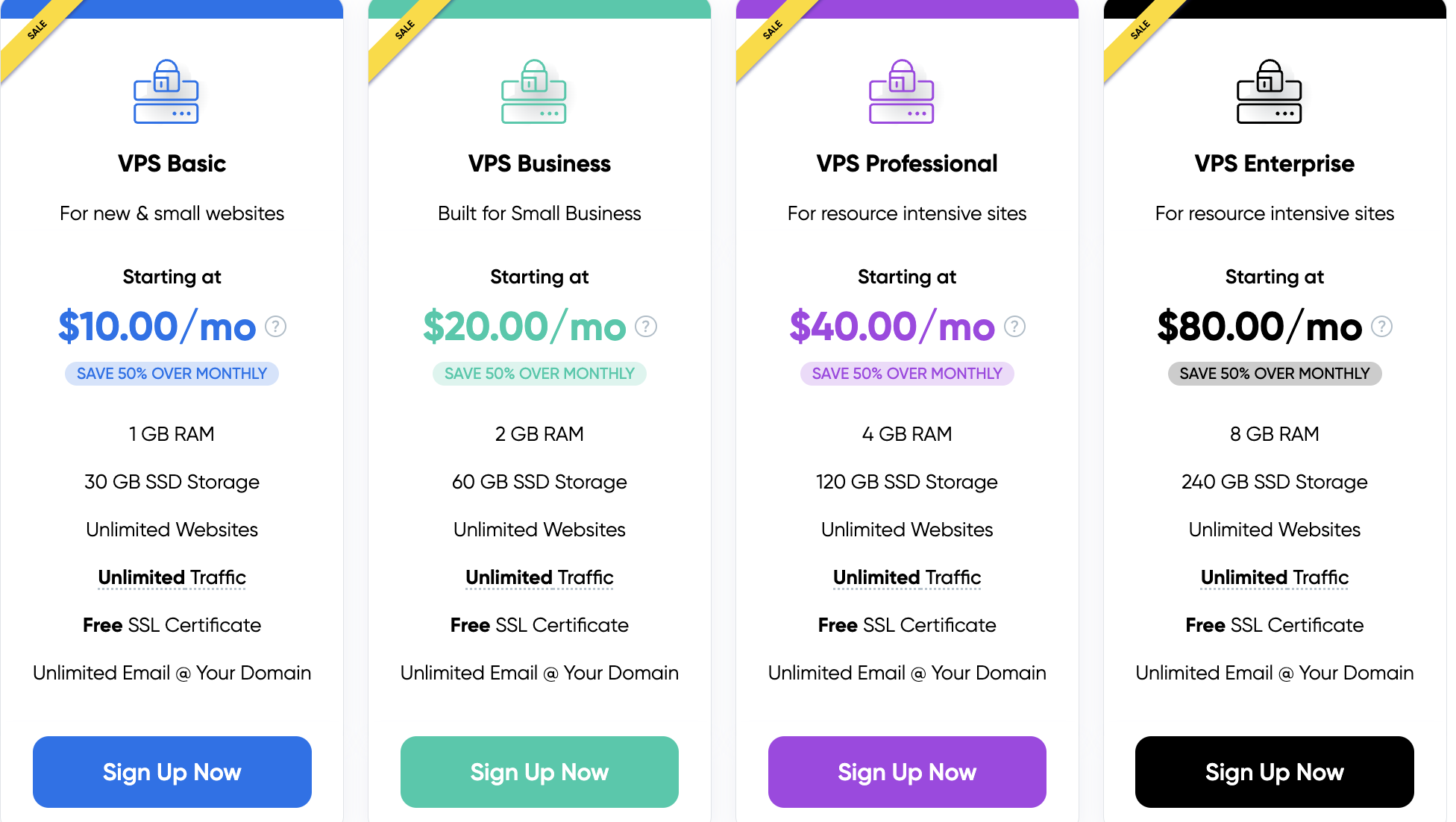
Credit: www.ryrob.com
Frequently Asked Questions
How Much Should It Cost To Host A Website Per Month?
Hosting a website typically costs between $3 to $300 per month. Shared hosting is cheaper, while dedicated hosting is more expensive. Pricing varies based on resources, features, and provider. Consider your website’s needs and budget to choose the best plan.
Always compare hosting options for the best value.
How Much Should You Spend On Hosting?
Hosting costs vary based on needs. Shared hosting starts at $3-$10 monthly. VPS ranges from $20-$100. Dedicated servers cost $80-$300 monthly. Choose based on your budget, traffic, and resource requirements. Always compare plans and features. Look for reliable providers with good customer support.
How Much Should A 20 Page Website Cost?
A 20-page website typically costs $2,000 to $10,000. Prices vary based on design complexity, features, and developer expertise. Custom designs and functionalities increase costs. Consider ongoing maintenance and SEO services for optimal performance. Always get quotes from multiple developers to ensure competitive pricing and quality service.
What Is The Minimum Cost To Host A Website?
The minimum cost to host a website starts around $3 to $10 per month. This price typically includes basic shared hosting services. Prices may vary based on the hosting provider and additional features needed. Always compare plans for the best fit for your needs.
Conclusion
Choosing the right web hosting matters. Costs vary, but quality counts. A cheap plan might save money now. But can cause issues later. Consider your website’s needs. Balance budget with features. Research different providers. Read reviews. Compare plans. A little extra cost can mean better support.
Faster speeds. More reliability. Your website deserves the best. Invest wisely. A solid hosting choice supports growth. Ensures smooth operation. Peace of mind is priceless. Make an informed decision. Keep your website running smoothly. It’s worth the effort.


