
Have you ever wondered how many websites you visit every day are powered by the same platform? If you run a blog, an online store, or even a business site, knowing how much of the web relies on WordPress can change the way you think about building your own online presence.
This isn’t just about numbers—it’s about understanding the power behind your website’s engine. Keep reading, and you’ll discover surprising facts that could help you make smarter choices for your site’s future.

Credit: aioseo.com
WordPress Market Share
WordPress holds a large part of the web’s foundation. It powers many websites across different fields. Understanding its market share helps grasp its impact on the internet.
Global Website Percentage
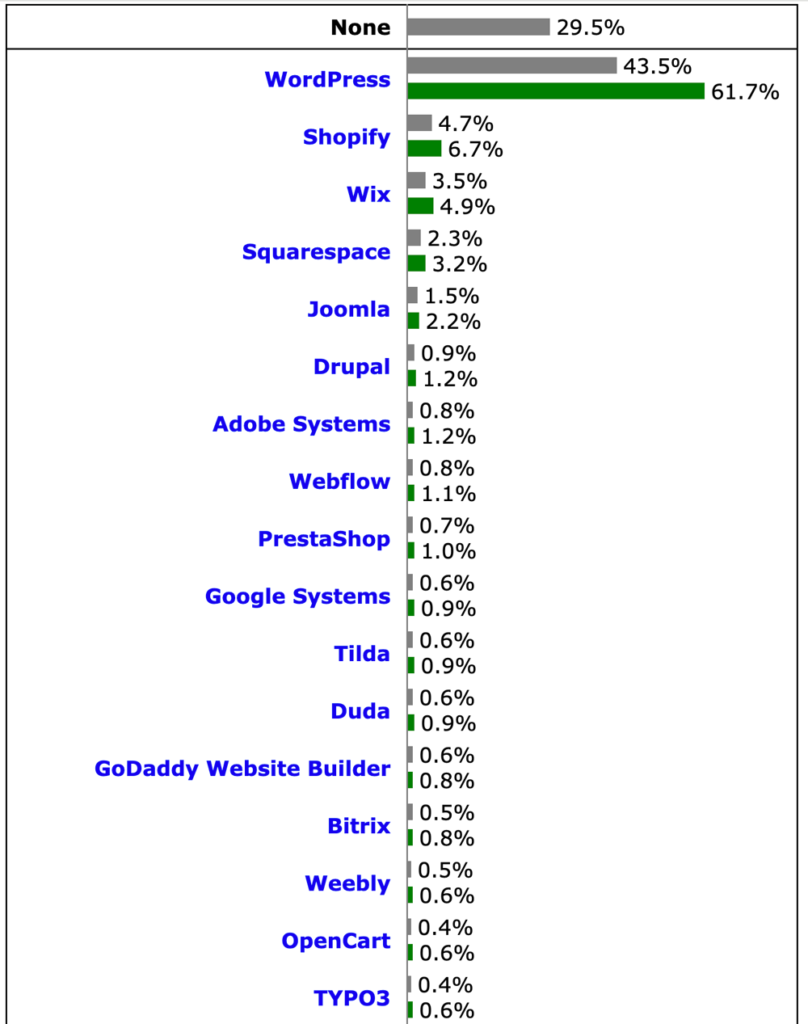
WordPress runs about 43% of all websites worldwide. This includes blogs, business sites, and online stores. Nearly half of the web uses WordPress technology.
This percentage shows WordPress’s strong presence and trust among users. The platform’s simplicity and flexibility attract many site owners.
Comparison With Other Cms
Other content management systems (CMS) have smaller shares. Joomla and Drupal hold around 2-3% each. Shopify and Wix cover about 5-6% combined.
WordPress’s share far exceeds these platforms. It remains the top choice for website creation globally.
Growth Trends Over Time
WordPress has steadily grown over the years. Its market share was only 10% in the early 2010s. The platform expanded as more users built sites easily.
Continuous updates and a large community support this growth. WordPress adapts to new web trends and user needs.
Popular WordPress Use Cases
WordPress powers a large part of the internet. It fits many different needs. People and businesses use it for many reasons. Here are some popular ways WordPress is used.
Blogs And Personal Sites
Many start blogs on WordPress. It is easy to use and set up. Writers share their thoughts, stories, and ideas. Personal sites also showcase hobbies and portfolios. WordPress themes help create unique looks. Bloggers can add photos, videos, and comments.
E-commerce Platforms
WordPress supports online stores well. The WooCommerce plugin makes selling simple. Small shops and big brands sell products here. Store owners manage inventory and payments. It works for physical and digital goods. WordPress keeps the shopping experience smooth.
Business And Corporate Websites
Companies choose WordPress for their websites. It builds professional and clean designs. Businesses share their services and news. The platform supports contact forms and booking tools. WordPress helps companies stay connected with clients. It adapts to many industry needs.
Factors Driving WordPress Popularity
WordPress powers a large part of the internet. Many website owners choose it because it offers several key benefits. These factors make WordPress a top choice for beginners and experts alike. Let’s explore why WordPress remains so popular.
User-friendly Interface
WordPress has an easy-to-use interface. Users can add content without coding skills. The dashboard is simple and clear. Creating pages and posts takes just a few clicks. This simplicity attracts people who want quick results. It helps beginners build websites fast.
Extensive Plugin Ecosystem
Plugins extend the power of WordPress. Thousands of plugins add features and tools. Users can find plugins for SEO, security, and design. This flexibility allows websites to grow and improve. Plugins save time and money on custom work. It makes WordPress adaptable to many needs.
Strong Community Support
WordPress has a large and active community. Users share tips, tutorials, and solutions. Forums and groups provide quick help for problems. Developers contribute themes and plugins regularly. This support network builds trust and keeps WordPress updated. It creates a safe place for website owners.

Credit: make.wordpress.org
Performance And Scalability Stats
WordPress powers a large part of the internet. Its performance and ability to grow with traffic make it a popular choice. Many websites trust WordPress to handle millions of visitors smoothly. Understanding its performance and scalability helps explain why it is so widely used.
High-traffic Site Examples
Some of the busiest websites use WordPress. Sites like TechCrunch and The New Yorker manage huge visitor numbers daily. They show WordPress can handle high loads without crashing. These sites prove WordPress works well for both small blogs and big media outlets.
Hosting And Speed Optimization
Good hosting plays a key role in WordPress speed. Fast servers reduce loading times and improve user experience. Caching plugins and content delivery networks (CDNs) help too. These tools keep WordPress sites running quickly even with many visitors.
Security Measures
Security is vital for any popular website. WordPress offers regular updates to fix vulnerabilities. Many plugins add extra protection against attacks. Strong security keeps sites safe and maintains their performance during traffic spikes.
Regional WordPress Adoption
WordPress powers a large portion of websites worldwide. Its adoption varies across regions due to different internet habits and needs. Understanding regional WordPress use helps grasp its global impact.
Each area shows unique trends in WordPress popularity. The platform adapts well to local markets. This flexibility makes it a top choice everywhere.
North America Trends
In North America, WordPress leads many websites. Small businesses and bloggers prefer it for ease of use. Many companies choose WordPress for online stores and portfolios. Regular updates keep it secure and reliable here.
Europe And Asia Usage
Europe shows strong WordPress growth, especially in Western countries. Language support helps WordPress spread across diverse cultures. Asia’s adoption varies greatly by country. Countries with growing internet access see more WordPress sites. Developers often customize WordPress to fit local needs.
Emerging Markets
Emerging markets use WordPress to boost online presence. It helps new businesses start websites cheaply. Mobile-friendly themes attract users in these regions. WordPress also supports local languages and payment methods. This makes it easier for people to build websites.
Future Outlook For WordPress
WordPress remains a dominant force in website creation. Its future holds many exciting changes that will shape how users build and manage websites. The platform keeps evolving to meet new needs and challenges. Understanding what lies ahead helps users prepare for the best experience.
Upcoming Features
WordPress plans to improve its block editor for easier content creation. New tools will allow more design freedom without coding. Enhanced site health features will help keep websites safe and fast. The platform will support better integration with third-party apps. These updates aim to simplify website management for all users.
Competition And Challenges
Other website builders are growing in popularity. They offer simple drag-and-drop tools and fast setup. WordPress faces pressure to stay user-friendly and flexible. Security threats continue to challenge all platforms, including WordPress. The community must keep updating the software to stay secure. Adapting quickly will help WordPress maintain its top spot.
Predicted Market Shifts
More businesses will rely on websites for online presence. Mobile-friendly design will become even more important. WordPress will likely increase focus on speed and responsiveness. The rise of e-commerce will boost demand for WordPress stores. Cloud hosting and AI tools will change how sites are built. WordPress must embrace these trends to stay relevant.
Credit: barn2.com
Frequently Asked Questions
How Much Of The Internet Uses WordPress?
WordPress powers about 43% of all websites globally. This includes blogs, business sites, and eCommerce stores, making it the most popular CMS worldwide.
Why Is WordPress So Widely Used For Websites?
WordPress is free, easy to use, and highly customizable. It supports numerous plugins and themes, enabling users to build diverse websites effortlessly.
What Types Of Websites Run On WordPress?
WordPress hosts blogs, portfolios, online stores, news sites, and corporate websites. Its flexibility suits small businesses and large enterprises alike.
How Does WordPress Impact Website Seo Performance?
WordPress offers SEO-friendly features and plugins like Yoast SEO. These tools help optimize content, improve site speed, and enhance search engine rankings.
Conclusion
WordPress powers a large part of the internet today. Millions trust it for websites and blogs. Its ease and flexibility attract many users worldwide. This platform keeps growing and adapting to new needs. Choosing WordPress means joining a vast, active community.
It shows how important open tools are online. Simple, reliable, and popular—WordPress shapes much of the web we use daily.