
Are you on the hunt for web hosting that meets your needs without breaking the bank? You might be wondering, “How much does good web hosting really cost?”
This is a crucial question, especially if you want to ensure that your website is fast, reliable, and secure. The cost of web hosting can vary widely, and understanding what you’re paying for can make all the difference in the success of your online presence.
We’ll break down the factors that influence web hosting prices, helping you make an informed decision that balances quality and cost. Get ready to uncover the secrets to finding the best hosting solution for your budget and needs. Keep reading, and we’ll guide you through what to expect and how to choose wisely.
Factors Influencing Web Hosting Costs
Shared hosting is often the cheapest option. Many users share one server. VPS hosting costs more but offers better performance. It divides the server into smaller virtual servers. Dedicated hosting is the most expensive. You get the whole server to yourself. Cloud hosting can change in price. It depends on the resources you need. Choose a plan that suits your website needs.
A well-known provider might charge more. They offer better support and reliable service. Lesser-known providers might be cheaper. Sometimes, they lack good support. Always check reviews before choosing a host. A trusted provider can save you problems later.
Servers closer to your users can be faster. Speed can affect cost. Local servers might be cheaper. International servers might cost more. Choose a location that suits your audience. Fast loading times make users happy.

Credit: www.hostinger.com
Types Of Web Hosting
Shared hosting is a popular choice for beginners. Many websites use one server. This makes it cheap. Costs often range from $2 to $10 per month. It works well for personal websites. But, it can be slow.
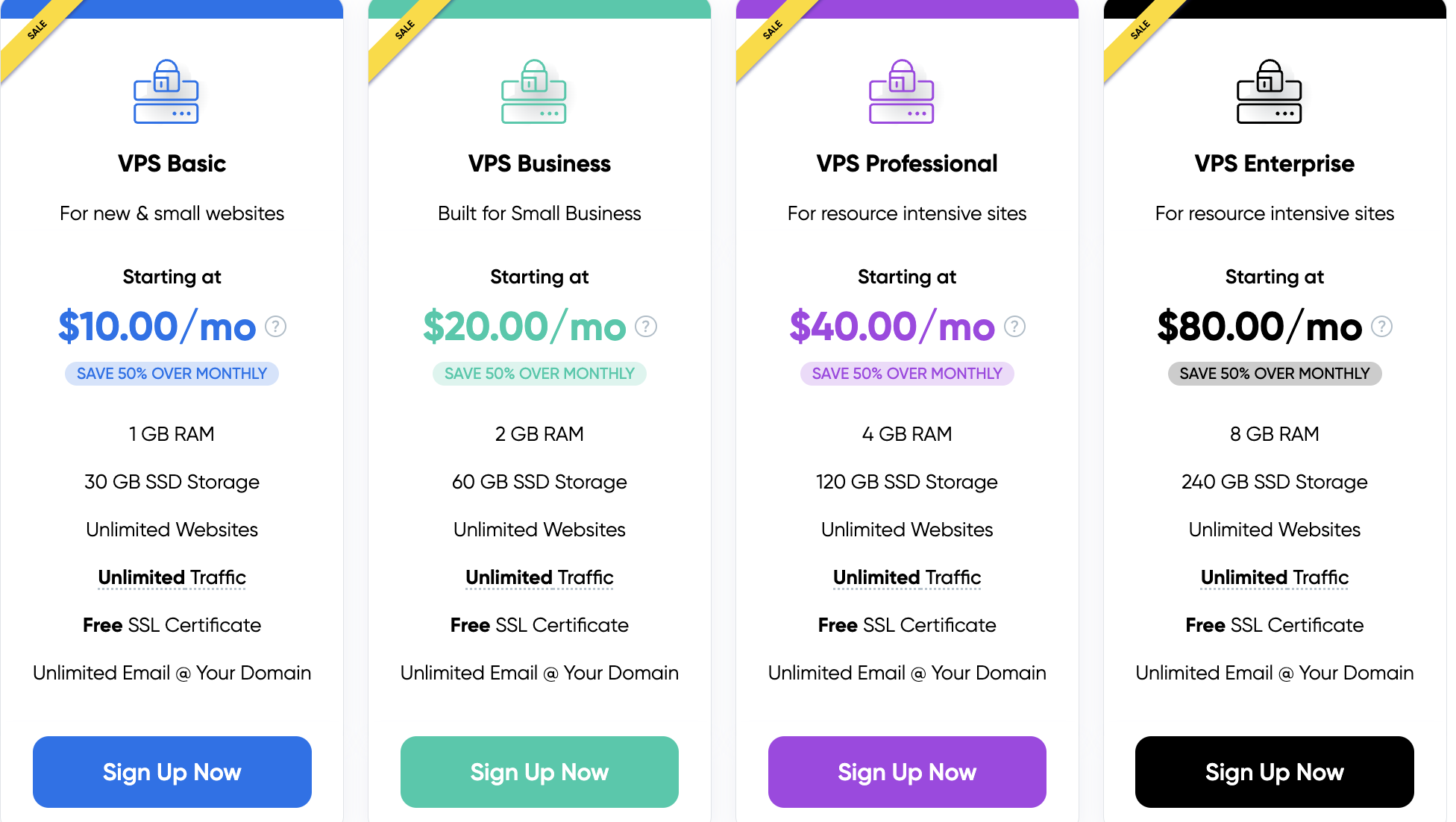
VPS stands for Virtual Private Server. It offers more control. Prices start around $20 per month. It is good for growing websites. You get more space and speed. But, it costs more than shared hosting.
Dedicated hosting gives you an entire server. This means more power and security. It is best for big businesses. Prices begin at $80 per month. It is the most costly option. But, it offers full control.
Cloud hosting is flexible. It uses many servers. This means your site can grow easily. Costs vary from $5 to $15 per month. It is good for busy websites. It offers reliability and speed.
Pricing Structures
Web hosting plans come in two main types: monthly and annual. Monthly plans offer flexibility. You can cancel anytime. They are great for short-term projects. Annual plans often come with discounts. This makes them cheaper overall. Paying yearly can save money. But it requires a bigger upfront cost. Think about your needs before choosing. Both plans have their benefits.
Hosting plans often have add-ons. These include security features and backups. Some hosts provide free domain names. Extra features can improve your site. They might cost more. SSL certificates are important. They keep your site safe. Check which add-ons are included. Decide which ones are worth the cost. Many features can help your website grow.
Some hosting companies charge setup fees. This is a one-time cost. It covers the setup of your account. Not all hosts charge this fee. It’s wise to check before signing up. Setup fees can increase the initial cost. Always read the terms. Know what fees you are paying. Choose a host that fits your budget.
Hidden Costs To Consider
Many hosting services offer low initial prices. But renewal rates can be much higher. It’s crucial to check these rates beforehand. Prices often double after the first year. Always read the fine print. Plan for these future costs to avoid surprises.
Some plans include a free domain for the first year. But domain registration fees apply after that. These fees vary by provider. They can add up if you own multiple domains. Budget for these yearly costs to keep your domain active.
SSL certificates keep websites secure. Many hosts offer them for free initially. But SSL certification costs may appear later. Secure sites rank better in search engines. Ensure your host provides ongoing SSL support. This keeps your site safe and trusted.
Budgeting For Web Hosting
Understand your website’s purpose. Is it for business or fun? Small sites need less power. Big sites need more. Choose wisely to avoid paying extra. Consider storage needs. Do you need lots of space for files? Or just a little for simple pages? Think about traffic. Will many people visit your site? More traffic might cost more. Plan for growth. Your needs may change over time.
Find a balance between cost and features. Cheaper plans may lack important features. Look for plans with security, speed, and support. They are essential for a good website. Compare prices from different hosts. Some offer extras like free domains or email. Check if these are useful for you. Don’t pay for things you won’t use.
Think about the long-term costs. Some hosts offer low prices at first. Later, the price may rise. Read terms carefully. Check renewal costs. Factor in any extra fees for upgrades. Budget for these future expenses. Choose a plan that fits your budget now and later.
Comparing Hosting Providers
Determining the cost of good web hosting involves examining various factors. Prices can start as low as $3 per month. Features, reliability, and support often influence the overall expense. Choosing the right plan requires balancing budget and needs.
Reviews And Testimonials
Many people read reviews before buying. Good reviews mean happy users. People trust reviews more than ads. Testimonials show real stories from real users. They share their good and bad experiences. Always check both reviews and testimonials. They help you choose better.
Customer Support Quality
Customer support is very important. People need help sometimes. Good hosting has 24/7 support. Fast and friendly service is key. Look for helpful and polite staff. They should solve problems quickly. Bad support can cause stress.
Performance And Uptime Guarantees
Performance means how fast a website loads. Fast websites make users happy. Uptime guarantees show how often a website is online. Good hosting offers 99.9% uptime. Less downtime means more visitors. Always check the provider’s promises.
Tips For Cost-effective Web Hosting
Selecting the best plan is key. Understand your website’s needs. Smaller sites need less power. Bigger sites need more. Check how much storage and bandwidth you get. Many plans have limits. Some plans give more features. Compare prices of different hosts. Pick the one that fits your budget.
You can talk to hosting companies. Ask for a better price. Sometimes they have special offers. Being polite helps. Mention other cheaper hosts you found. They might match the price. Always read the terms. Know what you are paying for. Sometimes, longer contracts are cheaper.
Many companies offer discounts for new customers. Look for promotional codes online. Sign up for newsletters. They often share deals there. Holiday seasons can have the best discounts. Check if the discount is for the first term only. Understand the regular price too.
Credit: www.ryrob.com

Credit: www.crazyegg.com
Frequently Asked Questions
How Much Should I Pay For Website Hosting?
Website hosting costs vary based on needs, ranging from $3 to $300 monthly. Basic shared hosting starts at $3-$10 per month. VPS hosting costs $20-$100 monthly, while dedicated servers range from $80-$300. Consider features and scalability when choosing.
How Much Does A Really Good Website Cost?
A really good website typically costs between $5,000 and $30,000. Prices vary based on design, functionality, and complexity. Custom features and e-commerce capabilities increase costs. Hiring experienced developers and designers may lead to higher expenses. Regular maintenance and updates also affect overall pricing.
What Factors Influence Web Hosting Costs?
Web hosting costs depend on several factors like server type, bandwidth, storage, and additional features such as SSL certificates. Shared hosting is cheaper than dedicated hosting. Bandwidth and storage needs affect pricing. Extra features, including backups and security options, can increase costs.
Choosing the right plan helps optimize expenses.
Is Expensive Hosting Always Better?
Expensive hosting is not always better; it depends on your needs. Premium hosting offers advanced features and better performance. However, for small websites, budget-friendly options can be sufficient. Evaluate your requirements, such as traffic, uptime, and support, before choosing a plan.
Balance cost with features for optimal results.
Conclusion
Choosing the right web hosting depends on your needs and budget. Prices vary, but quality hosting is worth the investment. It ensures your website runs smoothly and securely. Consider features like speed, support, and storage. Compare options before making a decision.
A reliable host enhances user experience and can boost your online presence. Start by assessing your priorities. Set a budget that aligns with your goals. Quality hosting doesn’t always mean expensive. Balance cost with features to find the best fit.
Make your choice wisely, and your website will thrive.


