
Are you wondering how much a typical web host charges for SSL? You’re not alone.
As you build your online presence, securing your website is crucial. SSL certificates protect your users’ data and boost your credibility. But with so many options out there, how do you know what’s a fair price? You might be surprised to find that SSL costs can vary widely depending on your web host and the type of certificate you choose.
We’ll break down the costs so you can make an informed decision that suits your budget and needs. Stick around to discover how you can secure your site without breaking the bank.
Credit: blog.hubspot.com
Ssl Basics
SSL certificates ensure secure connections on websites. Web hosts typically charge between $0 and $100 annually for SSL. Some hosts include it for free, while others offer premium options for added features.
What Is Ssl?
SSL stands for Secure Sockets Layer. It is a technology that keeps your internet connection safe. SSL protects sensitive data. It encrypts information shared between two systems. This can be a server and a browser, or two servers. Encryption means scrambling data. Only the intended recipient can read it. Without SSL, data can be stolen easily. Hackers can see credit card numbers and passwords. SSL is vital for online security.
Importance Of Ssl For Websites
SSL makes websites secure. Visitors trust sites with SSL. Browsers show a padlock symbol for SSL sites. This means the site is safe. SSL helps websites rank better in searches. Google prefers secure sites. SSL boosts customer trust. It can lead to more sales. Without SSL, a website may lose visitors. People want safety online. SSL is key for website success.
Types Of Ssl Certificates
Domain Validated SSL is the most basic type. It checks the domain owner. Quick and easy to get. Inexpensive compared to other types. Often used for small websites. Offers basic encryption for secure data.
Organization Validated SSL is more secure. It checks the organization behind the domain. Verification takes a few days. It is costlier than Domain Validated SSL. Best for medium-sized businesses. Ensures trust from visitors.
Extended Validation SSL offers the highest trust level. Requires detailed checks about the company. Takes longer to get. Most expensive of all SSL types. Ideal for large businesses and financial sites. Shows a green bar in the browser.
Factors Influencing Ssl Costs
The cost of an SSL depends on its type. Some are free while others need money. Free SSLs are simple. Paid ones offer more security. Wildcard SSLs cover many sites. They cost more than single site SSLs.
Basic SSLs need simple checks. They are cheap. Extended validation needs more checks. These are costly. The more checks, the higher the price.
Some SSLs offer a warranty. This covers data loss. More warranty means higher cost. Extra features add to the price. Features like site seal can be expensive.
Average Ssl Pricing
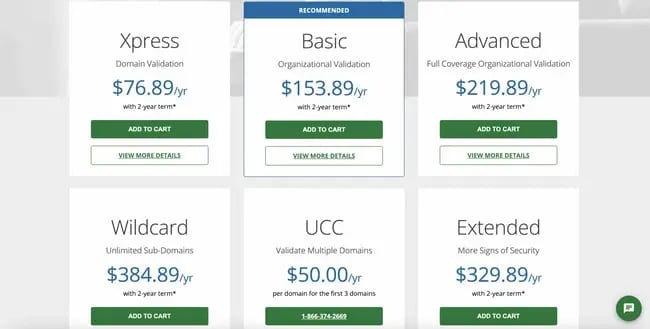
Some web hosts offer free SSL certificates. These are basic and easy to get. They work well for small websites or blogs. Other hosts may charge a small fee. Usually, this fee is $5 to $15 per year. These are still budget-friendly choices. They provide basic security.
Mid-range SSL certificates cost more. They range from $20 to $70 per year. These are more secure than low-cost options. They are good for small businesses. They offer extra features like better encryption. Many web hosts provide these as standard choices.
Premium SSLs are the top choice. They cost $100 to $300 per year. These are for big businesses or e-commerce sites. They offer the highest security. Features include high-level encryption and warranty. They build trust with customers. Web hosts often recommend these for best safety.
Web Hosting And Ssl
Web hosting costs can vary, with typical charges for SSL certificates ranging from $0 to $100 annually. Many hosts offer free SSL as part of their packages, providing essential security. Always check what each provider includes to ensure your website remains secure and trustworthy for users.
Free Ssl With Hosting Plans
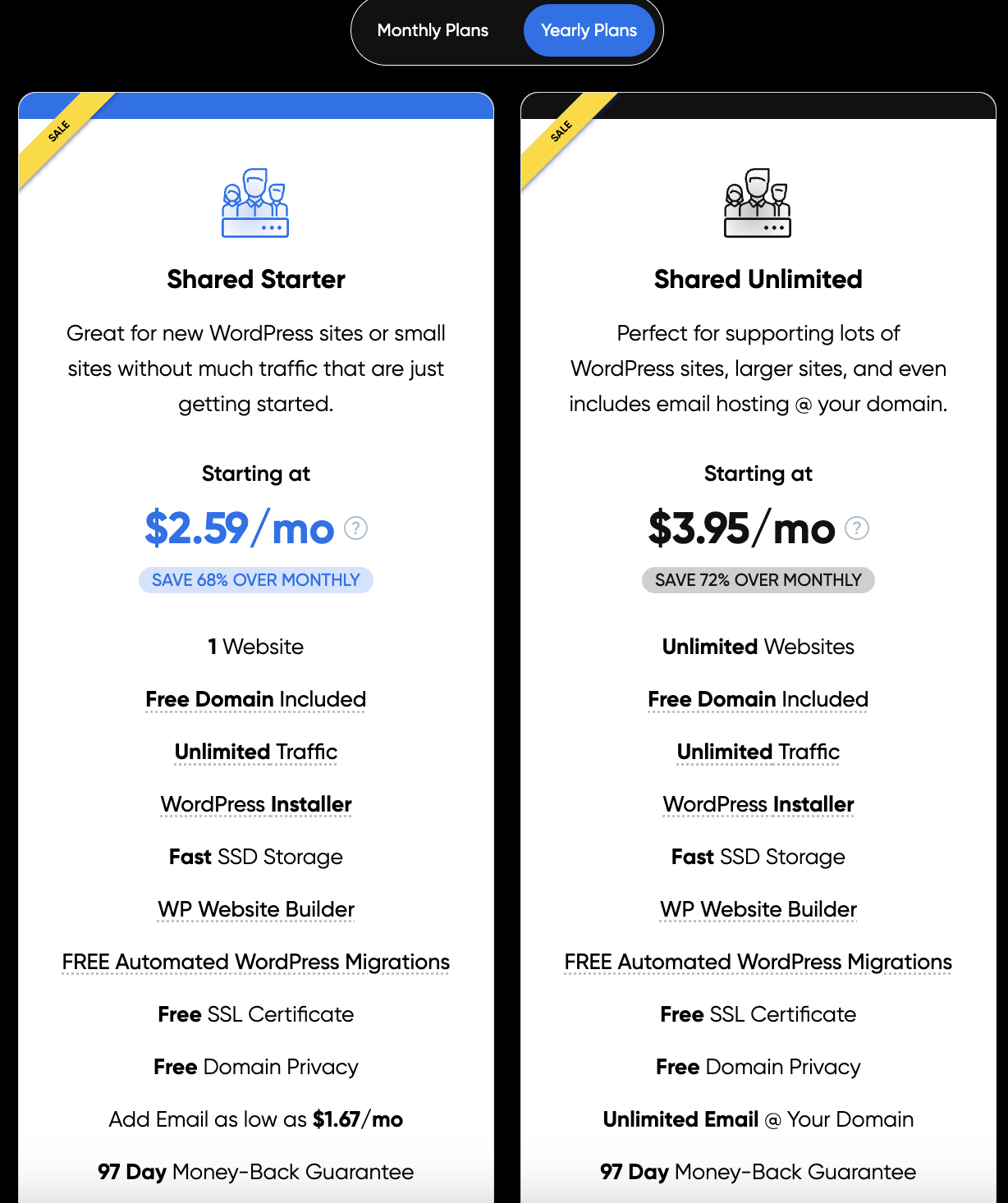
Many web hosts offer free SSL certificates with their plans. This is a great way to save money. Free SSL ensures your site is secure. It builds trust with visitors. Most hosts include this feature in basic packages. Look for plans that mention free SSL. It’s a helpful feature for beginners.
Paid Ssl Options Offered By Hosts
Some hosts offer paid SSL certificates. These are usually more advanced. They provide extra security features. Paid SSL might include warranties. Hosts charge different prices for these options. Check the host’s website for details. Paid SSL can be worth the investment. Especially for larger sites.
Comparing Hosting Providers
| Provider | Free SSL | Paid SSL |
|---|---|---|
| Host A | Yes | $50/year |
| Host B | Yes | $70/year |
| Host C | No | $40/year |
Comparing providers is important. Look at the cost and features. Some offer better deals. Others have more options. Choose the one that fits your needs best. Always check for hidden fees. Make sure to read reviews. This helps find a reliable host.
Credit: www.ryrob.com
Additional Ssl Costs
Web hosting companies typically charge $50 to $200 annually for SSL certificates. Costs vary based on features and support. Some hosts offer free SSL with hosting plans, reducing expenses.
Installation Fees
Some web hosts charge for SSL installation. This is a one-time fee. The fee varies between providers. Some hosts do it for free. Others might ask for a small payment. The fee covers the setup of the certificate. Make sure to check with your host. Know what they charge for installation.
Renewal Charges
SSL certificates expire after a certain period. Most expire yearly. Renewal fees are often similar to the original cost. Some providers offer discounts. Others might charge the same amount. Be aware of renewal costs. Plan ahead to avoid extra fees.
Add-ons And Extras
Many hosts offer extra features with SSL. These include warranty or site seals. Some might provide extra security tools. Each extra has a cost. Decide what extras you need. Choose based on your site’s needs and budget.
Tips For Choosing Ssl
Think about what you need. Do you need basic protection or advanced security? For a small blog, basic SSL might work. Big sites need more. E-commerce sites need strong security. Protects customer data. This keeps trust. Simple sites need less. Choose wisely.
Providers differ. Check their reputation. Look at reviews. Are they trustworthy? Do they offer support? Good support helps when issues arise. Compare features. Some offer extras. Others keep it basic. Reliability is key. Choose a provider who is reliable.
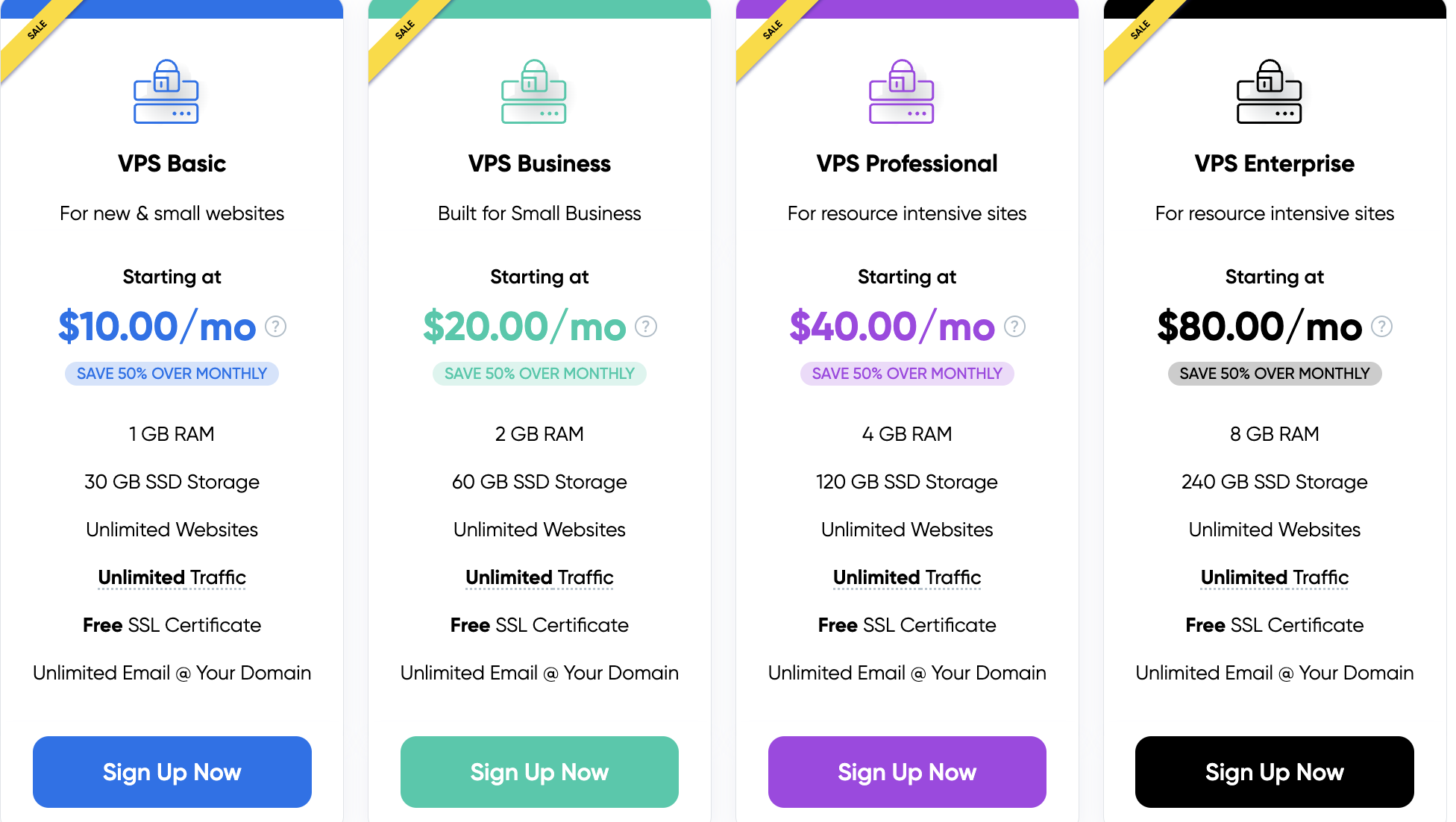
SSL costs vary. Free options exist. They suit small sites. Paid options offer more. Look at your budget. Can you afford premium features? Sometimes, spending more is wise. Balance cost with needs. Choose wisely for your site.
Credit: www.ryrob.com
Frequently Asked Questions
How Much Does Ssl Cost For A Website?
SSL costs vary from free to around $200 annually, depending on the provider and features. Free options include Let’s Encrypt, while premium SSL certificates offer advanced security features and insurance coverage. Consider your security needs and budget when choosing an SSL certificate for your website.
What Is A Typical Website Hosting Fee?
Website hosting fees range from $3 to $300 per month. Shared hosting is cheaper, starting at $3. VPS hosting costs $20 to $60 monthly. Dedicated hosting is more expensive, starting at $100. Prices vary based on features, performance, and provider.
Choose the plan that fits your needs and budget.
How Much Does Ssl Server Cost?
SSL server costs vary, starting from $5 to $1,500 annually. Prices depend on the provider and features.
How Much Does Ssl Cost On Godaddy?
SSL certificates on GoDaddy start at $63. 99 per year. Prices vary based on the type and features. Always check GoDaddy’s website for the latest pricing and discounts. Consider your website’s security needs to choose the right option.
Conclusion
SSL costs vary among web hosts. It’s important to compare options. Some hosts include SSL for free. Others charge a yearly fee. Prices range from $10 to $100 annually. Consider your budget and needs. Free options might work for small sites.
Paid SSL offers extra security features. Enhanced protection can be worth the investment. Always check what’s included in the package. Ensure your website stays secure. Peace of mind matters most. Choosing the right SSL plan is crucial. Protect your site and users.
Make an informed decision. Secure your online presence effectively.


