Have you ever wondered how many websites you can create using WordPress? Whether you want to start a personal blog, launch a business site, or build multiple projects, knowing your limits can save you time and frustration.
Imagine having the freedom to manage several websites from one place without extra hassle. You’ll discover exactly how many websites you can have on WordPress and the best ways to set them up. Keep reading to unlock the full potential of your WordPress experience!
WordPress Site Basics
Understanding WordPress site basics helps you manage your websites better. WordPress allows you to create different types of sites. You can start with a single site or build a network of many sites. Each option has its own setup and uses. Knowing these basics helps you decide what fits your needs.
Single Site Setup
A single site setup means one website on one WordPress installation. This setup is simple and easy to manage. You control all content, themes, and plugins from one dashboard. It suits blogs, small business sites, or personal pages. The site has its own domain or subdomain. Managing one site means fewer technical tasks and faster updates.
Multisite Network
A multisite network lets you run many websites under one WordPress install. Each site can have its own users and content. This setup is good for schools, companies, or groups with many sites. You manage all sites from one dashboard, saving time. Sites in the network share themes and plugins. It needs more technical knowledge but offers great flexibility.
Credit: www.hostingadvice.com
Limits On Website Numbers
WordPress users often wonder how many websites they can create. The answer depends on the type of WordPress platform used. Some versions have limits on the number of sites you can manage. Others offer more freedom to expand and grow your projects. Understanding these limits helps you plan your website strategy.
Free WordPress.com Restrictions
Free WordPress.com accounts allow only one website per user. You cannot create multiple sites under a single free account. Each new site needs a separate email and account. This setup limits users who want many websites easily. The free plan also restricts custom domain use and plugins.
Self-hosted WordPress Flexibility
Self-hosted WordPress gives full control over your websites. You can install WordPress on your hosting server without limits. Create as many sites as your hosting plan supports. Managing multiple websites is easier with one hosting account. This option suits users with many projects or clients.
Multisite Network Advantages
WordPress Multisite lets you run many websites from one WordPress installation. It saves time and effort by managing all sites in one place. This setup is great for businesses, schools, or anyone with multiple websites. The advantages help users control and organize their sites easily.
Centralized Management
One dashboard controls all your websites. No need to log in to each site separately. Updates for themes and plugins happen just once. This saves time and reduces errors. Managing many sites becomes simple and fast.
User Roles And Permissions
You decide who can do what on each site. Assign roles like admin, editor, or author easily. Control access to sensitive settings. Keep your sites safe and organized. This helps teams work smoothly without confusion.
Credit: www.wpzoom.com
Setting Up Multiple Sites
Setting up multiple sites on WordPress allows you to manage several websites from one dashboard. This feature is useful for businesses, bloggers, or anyone who needs different sites under one roof. WordPress Multisite makes this possible. It saves time and effort by sharing the same WordPress installation across all sites.
Choosing the right structure for your multiple sites is important. It affects how your visitors find your sites and how you manage them. Two common ways to organize multiple sites are using subdomains or subdirectories. Each has its own benefits and limitations.
Using Subdomains Vs Subdirectories
Subdomains create separate sites with unique addresses. For example, site1.example.com and site2.example.com. This method gives each site its own space and identity. It works well for businesses with different brands or languages.
Subdirectories place sites under the main domain in folders. For example, example.com/site1 and example.com/site2. This method is easier to set up and good for related content. Search engines treat subdirectories as part of the main site, which can help SEO.
Both methods work with WordPress Multisite. Your choice depends on your needs and hosting setup. Some hosts require special settings for subdomains, while subdirectories usually work by default.
Domain Mapping Options
Domain mapping lets you use custom domains for each site. You can connect different domains like site1.com or site2.net to your WordPress multisite network. This makes each site look like its own standalone website.
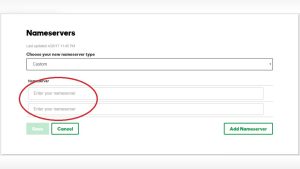
To map domains, you need a plugin or built-in tools from your host. The process involves pointing the domain’s DNS to your WordPress server. After that, you assign the domain to the correct site in your network.
Domain mapping helps build brand identity and trust. It also makes sites easier to remember. Without domain mapping, sites use subdomains or subdirectories which might confuse visitors.
Hosting Considerations
Choosing the right hosting is key for managing multiple WordPress websites. Hosting affects your site’s speed, security, and how many sites you can run. Different hosting options offer different benefits and limits. Understanding these helps you pick the best plan for your needs.
Shared Vs Dedicated Hosting
Shared hosting means many websites share one server. It is cheaper but can slow down if traffic is high. Dedicated hosting gives one server to your sites only. It costs more but offers better speed and control.
Shared hosting suits small websites or beginners. Dedicated hosting works best for large sites or many websites. Your choice depends on budget and website needs.
Performance And Scalability
Performance means how fast your websites load. Slow sites lose visitors and rankings. Dedicated hosting usually provides better performance than shared hosting.
Scalability is the ability to grow your websites easily. Dedicated hosting often lets you add more resources quickly. Shared hosting can limit growth and slow down when you add sites.
Cost Implications
Cost plays a key role in managing multiple WordPress websites. Each site adds to your monthly or yearly budget. Knowing the main expenses helps plan better. Running many sites means you must watch your spending closely.
Domain And Ssl Expenses
Every website needs a domain name. Domains usually cost about $10 to $15 per year. Some special domains can be pricier. SSL certificates keep your site safe and trusted. Many hosts offer free SSL, but premium ones have a cost. Buying domains and SSLs for several sites can add up fast. Budgeting for these is essential.
Plugin And Theme Licensing
Many WordPress plugins and themes need licenses. Some are free, but others charge yearly fees. Premium licenses often allow use on only one site. Running multiple sites means buying multiple licenses. This can increase your overall expenses. Choosing plugins and themes wisely saves money. Always check license terms before purchase.
Security And Maintenance
Security and maintenance are key to managing multiple WordPress websites. Each site needs protection from threats and regular care to run smoothly. Without proper security, sites risk hacks and data loss. Maintenance helps keep sites fast and error-free. Managing many sites means staying organized and consistent with updates and backups.
Regular Updates
Keep WordPress core, themes, and plugins updated. Updates fix security holes and bugs. Outdated software invites hackers. Set a schedule to check for updates often. Apply updates quickly to all websites. Automated updates can save time and reduce risk. Avoid using old versions to keep sites secure.
Backup Strategies
Backups protect your content and data. Create backups regularly for each site. Store backups in different locations, like cloud and local storage. Test backups to ensure they work. Backup plugins can automate this process. Quick recovery after a problem reduces downtime. Always have a plan to restore your websites fast.
Common Challenges
Managing multiple websites on WordPress can bring several challenges. These issues often affect site performance and user experience. Knowing common problems helps prepare for them. It also makes handling your WordPress sites easier and smoother.
Resource Limits
WordPress hosting plans have resource limits. These include storage space, bandwidth, and server power. Running many websites on one account can strain these resources. This may cause slow loading times or even site downtime. Choosing the right hosting plan is important. It should match the number of websites you plan to run.
Troubleshooting Errors
Multiple WordPress sites can cause complex errors. Plugin conflicts or theme issues may appear more often. Diagnosing problems can take more time and effort. Errors might affect all sites or just one. Keeping backups and testing updates on a staging site helps. It prevents issues from spreading and keeps sites stable.
Tools To Manage Multiple Sites
Managing many WordPress websites can be tough without the right tools. These tools help you save time and keep all your sites organized. You can update plugins, check security, and publish posts from one place. This makes running multiple sites easier and faster.
Site Management Plugins
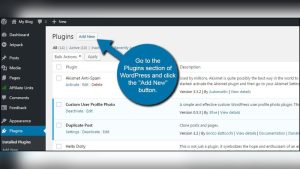
Site management plugins allow control of many sites from one dashboard. Plugins like ManageWP and MainWP help update themes and plugins in bulk. They also let you back up sites and monitor uptime. These tools reduce the effort needed to maintain each site separately.
Plugins provide notifications for updates and security issues. You can schedule automatic tasks to keep sites healthy. This way, you avoid visiting every site to make changes. Site management plugins are great for users with several WordPress sites.
Third-party Services
Third-party services offer cloud-based solutions to manage multiple WordPress sites. Platforms like InfiniteWP and CMS Commander provide a single interface for all your websites. They include features like bulk updates, backups, and performance checks.
These services often offer extra tools for SEO and security monitoring. You do not need to install plugins on every site. Third-party services save time and simplify complex site management tasks. They suit users who want to manage many websites efficiently.

Credit: wcanvas.com
Frequently Asked Questions
How Many Websites Can I Create With One WordPress Account?
You can create multiple websites using one WordPress. com account. Each site is managed separately but under the same login. There is no strict limit, but free plans have restrictions. Paid plans offer more site creation flexibility and additional features.
Can I Host Multiple Sites On WordPress.org?
Yes, WordPress. org allows unlimited websites. You need your own hosting plan supporting multiple domains or subdomains. Each website is separate, and you manage files and databases. Hosting limits and costs depend on your provider and plan.
Does WordPress Multisite Support Multiple Websites?
WordPress Multisite is designed to manage many websites from one installation. It lets you create and control sites under a single dashboard. This is ideal for networks, businesses, or blogs needing several related sites.
Are There Any Limitations On Site Numbers With WordPress?
WordPress. com free plans limit the number of sites you can create. Paid plans increase this limit. Self-hosted WordPress. org sites depend on your server capacity and hosting plan. Multisite installations depend on your technical setup and server resources.
Conclusion
WordPress lets you create many websites with one account. You can manage all sites from one place. Each site can have its own design and content. Hosting plans may limit the number of sites you can add. Choose a plan that fits your needs and budget.
Start small, then grow as your projects expand. Managing multiple sites is easier than you think. WordPress offers flexibility and control for all users. Your website journey begins with a single step. Ready to build your web presence?