
Have you ever wondered how your favorite websites appear on the internet? The answer lies in web hosting.
It’s the backbone of every site you visit, yet its workings remain a mystery to many. Understanding web hosting isn’t just for tech experts; it’s essential for anyone who wants to create or improve a website. Imagine having the power to control how your site performs, loads, and serves your visitors.
With a grasp of web hosting, you can unlock potential to enhance your online presence. Dive into this guide to discover how web hosting works, and uncover the secrets to making your website thrive.
Credit: blog.gotmyhost.com
Basics Of Web Hosting
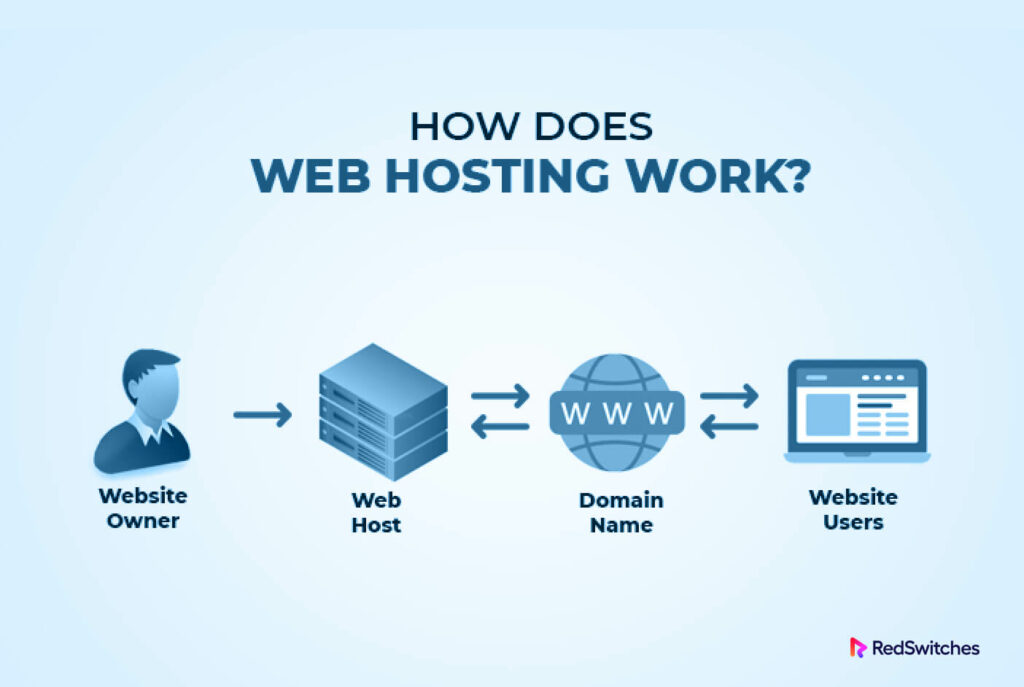
Web hosting is like renting space for your website. It allows your site to be seen by others. Without it, your site stays offline. Hosts provide storage and services for websites. They keep sites running smoothly. Think of it like a home for websites.
The purpose of web hosting is to make websites accessible. Hosting lets people visit your site anytime. Hosts store your website files. They ensure your site is available. Hosting services keep your site up and running. Reliable hosting is important for websites. It helps sites load faster and stay online.

Credit: www.hostinger.com
Types Of Web Hosting
Shared hosting is like sharing a room. You share with others. It’s cheap. Great for small websites. But speed might be slow. Many sites use the same server. If one site gets busy, others slow down.
Dedicated hosting gives you a whole server. No sharing with anyone else. It’s best for big sites. Faster and more secure. But it costs more. You have full control over everything.
VPS hosting is a mix of shared and dedicated hosting. You get your own space. It’s like having your own apartment. Others are in the same building. It’s good for growing sites. More control than shared hosting.
Cloud hosting uses many servers. They work together. Your site is spread out. This means it’s very flexible. It can handle lots of visitors. It’s great for websites that grow fast.
Key Components Of Web Hosting
Servers are computers. They store website data. This data includes text, images, and videos. When a user wants to see a website, the server sends data. This process is fast. It happens in seconds. Servers must be strong. They work all the time. They should be reliable and fast. Good servers mean good websites.
Storage is where data lives. Websites need space. This space is called storage. More pages need more storage. Videos and images need more space too. Websites cannot work without storage. Storage should be safe. Data must not get lost. It should also be easy to access.
Bandwidth is like a road. It helps data travel. More bandwidth means more data can move. This makes websites fast. Websites with many users need more bandwidth. If bandwidth is low, sites are slow. Fast websites make users happy.
Choosing A Web Hosting Provider
Think about your website’s purpose. Is it a blog or store? Know your site’s traffic. More traffic needs more resources. Understand your technical skills. Some hosts offer more support.
Look at storage and bandwidth. More is better for bigger sites. Check if they offer SSL certificates. SSL keeps data safe. See if they have a control panel. It makes managing your site easier.
Start with your budget. Some hosting is cheap, some is not. Check for hidden fees. Look for offers on long-term plans. Don’t forget renewal rates. They can be higher than the first price.
Setting Up A Website
Choosing a domain name is very important. It is the name people type to find your site. Once you choose, you must register it. Many companies help you with this. You pay a fee to own the name. You must also keep it safe and renew it often.
Designing a website is like building a house. You need to plan how it looks. Colors, pictures, and text make it pretty. Many tools help you design easily. Templates are popular. They save time. You can change them to fit your style.
A Content Management System (CMS) helps you manage your website. It lets you add text, pictures, and videos. WordPress is a famous CMS. It is easy to use. You do not need coding skills. CMS makes updating your site simple. Many people use it for blogs and shops.

Credit: www.znetlive.com
Security Measures In Web Hosting
SSL Certificates keep data safe. They encrypt information between your website and users. This makes it hard for hackers to steal data. Browsers show a padlock icon with SSL. Users trust websites with SSL more. It is important for online security.
Backups save copies of your website. They help you if data is lost. Many web hosts offer automatic backups. This means your data is saved regularly. Restoring from a backup is easy. It keeps your website safe from accidents.
A firewall acts like a gatekeeper. It blocks bad traffic from reaching your site. This keeps your website safe from attacks. Firewalls can be hardware or software. They help protect your website 24/7. Having a firewall is a smart choice.
Common Challenges And Solutions
Websites sometimes go offline. This can hurt your business. Downtime means customers cannot reach your site. It leads to lost sales. Using backup servers can help. They keep your site online. Regular maintenance checks also reduce downtime. Always choose a hosting service with a good uptime record.
Websites grow over time. More visitors mean more data. Scalability is how well your site handles growth. A hosting plan should offer easy upgrades. You need more storage as your site grows. Flexible plans are important. They allow changes without hassle. Check reviews for hosting services. See how they handle scalability.
Sometimes websites have problems. Technical support helps fix these issues. Good support is fast and helpful. You need 24/7 support availability. Problems can happen anytime. Live chat is useful for quick help. Email support can be slower. Look for hosting with strong support reviews.
Future Trends In Web Hosting
Green hosting is about using clean energy. It helps reduce the carbon footprint. This means less harm to the environment. Many companies are now using solar and wind power. This helps save our planet. It also saves money in the long run. People like green hosting because it is eco-friendly. More websites will use this in the future.
AI makes web hosting smarter. It helps find and fix problems fast. AI can predict when servers might fail. This keeps websites running smoothly. It also helps with security. AI watches for threats and stops them. This keeps data safe. Many hosts will use AI more soon.
Edge computing brings data closer to users. This means faster websites. It cuts down on delay. Websites load quickly with edge computing. It is great for videos and games. People get what they want right away. More hosts will use edge computing for speed. This helps users have a better experience online.
Frequently Asked Questions
How To Web Hosting Step By Step?
Choose a reliable hosting provider and select a plan. Register a domain name. Configure your hosting account. Upload your website files using FTP or a website builder. Test your website to ensure it’s working properly.
How Much Does Web Hosting Cost Per Month?
Web hosting costs vary widely. Shared hosting can start at $3 per month. VPS hosting ranges from $20 to $100 monthly. Dedicated hosting prices can exceed $100 monthly. Prices depend on features and providers. Always compare before purchasing.
How Does Web App Hosting Work?
Web app hosting stores your application on a server, making it accessible online. Users access the app via a web browser. Hosting providers offer server resources, security, and support. Choose a plan based on your app’s needs for optimal performance and scalability.
Can I Run My Website Without Hosting?
No, you cannot run a website without hosting. Hosting provides the server space needed for your website files. Without hosting, your site won’t be accessible online. Choose a reliable hosting provider to ensure your website runs smoothly and is available to visitors worldwide.
Conclusion
Web hosting keeps your website online and accessible to all. Choosing the right host is crucial. It impacts speed, security, and support. Many hosting options exist, like shared, VPS, and dedicated. Each has its benefits. Assess your website needs carefully.
Consider traffic, budget, and technical skills. Reliable hosting boosts website performance. It enhances user experience, attracting more visitors. Understand the basics before selecting a host. This ensures your site runs smoothly. Reliable hosting is the key. Your website deserves the best foundation.
With the right host, your online presence thrives.


