
Ever found yourself tangled in tech jargon, wondering what exactly sets cloud computing apart from web hosting? You’re not alone.
These two terms might sound similar, but they serve very different purposes. If you’re trying to make sense of them for your personal projects or business needs, you’re in the right place. Imagine being able to boost your business’s efficiency or streamline your personal online projects simply by understanding the difference.
Intrigued? Stick around as we unravel the distinctions between cloud computing and web hosting. By the end of this article, you’ll have a clear picture, empowering you to make smarter, more informed decisions for your digital endeavors. Let’s dive in and demystify these tech terms together.
Credit: medium.com
Cloud Computing Basics
Cloud computing allows users to store and access data over the internet. No need for physical servers. It offers resources like storage and computing power on demand. This technology is flexible and scalable. Users pay only for what they use. It is reliable and often more secure. Many businesses prefer cloud services for their operations.
Cloud services come in three main types. Infrastructure as a Service (IaaS) gives virtual machines and storage. Platform as a Service (PaaS) provides hardware and software tools. Software as a Service (SaaS) delivers software applications. Each type serves different needs. They help businesses save on costs and increase efficiency.

Credit: www.mgt-commerce.com
Web Hosting Essentials
Web hosting keeps your website online. It works like a home for your website. Every website needs a host. The host stores the website’s data. Users can see the site because of hosting. Web hosts offer different plans. Some are small, and some are big. The goal is to keep websites running smoothly. This is very important for businesses. Without hosting, websites cannot exist on the internet.
Types Of Web Hosting
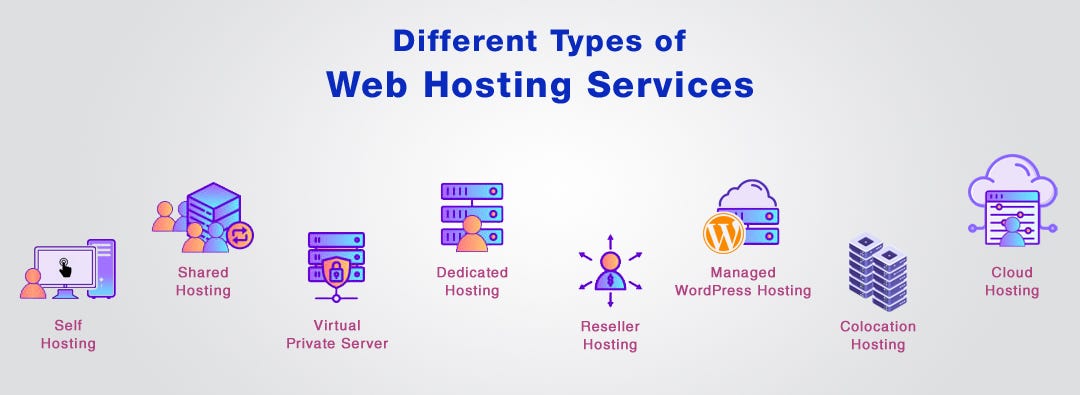
There are many types of web hosting. Shared hosting is common. Many websites share one server. It is cheap and easy. Dedicated hosting is another type. One server for one website. It costs more but is faster. VPS hosting is like a mix. It offers more control. Cloud hosting spreads data across servers. It is flexible and grows with your needs.
Infrastructure Differences
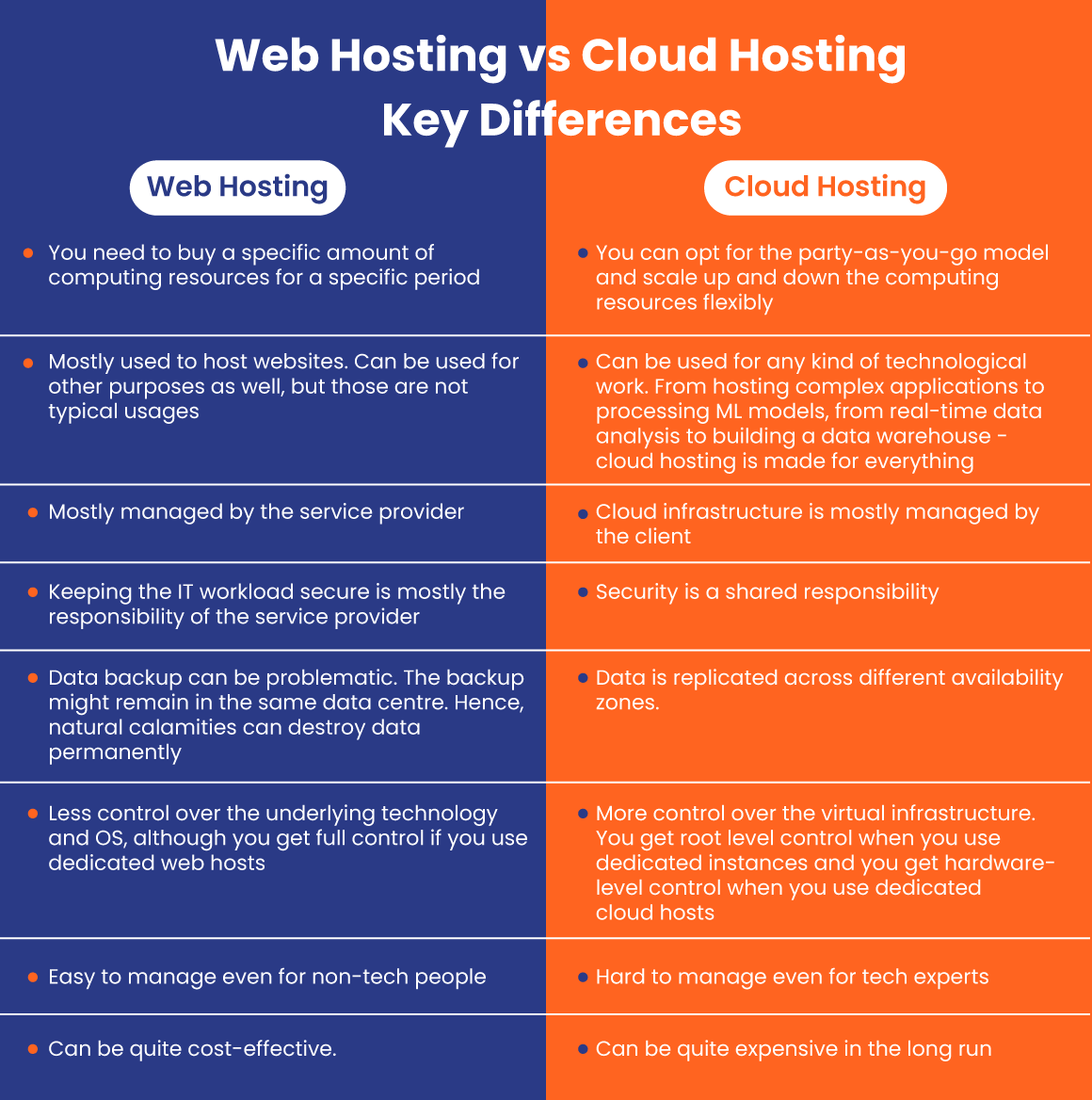
Cloud computing shares resources among many users. Web hosting often gives fixed space. This means cloud services can grow or shrink. They change based on need. Web hosting usually has limits. Once you reach them, you need more plans.
Cloud computing is very flexible. It can adapt to different needs. You can add more resources fast. This is great for growing businesses. Web hosting is less flexible. You often need to switch plans. This can take time. Scalability in cloud is easy. In web hosting, it’s more fixed.
Cost Considerations
Cloud computing and web hosting have different pricing models. Cloud computing often uses a pay-as-you-go model. You pay only for what you use. This can save money if you use less. Web hosting usually has a fixed monthly fee. You pay the same amount each month. This is good if you need stable costs. Both options have their benefits.
Over time, cloud computing can be cheaper for some. If your needs change, costs can go down. Web hosting costs stay the same even if needs change. This might cost more in the long run. Think about your future needs. Choosing the right option is important for saving money.
Performance And Reliability
Cloud computing offers more uptime than traditional web hosting. Servers in the cloud are spread across many places. This means if one fails, others keep running. Traditional hosting relies on one server. If it fails, the site goes down. Downtime is less likely with cloud systems.
Cloud systems handle many users at once. They can grow and shrink as needed. This means better performance during busy times. Web hosting can struggle with many users. It may slow down or fail.
Credit: www.silvertouch.com
Security Aspects
Cloud computing offers strong data protection. Data is stored in multiple places. This keeps it safe. If one server fails, your data is still safe. Web hosting usually stores data in one place. This can be risky. If the server fails, data may be lost. Cloud services often use encryption. This keeps data secure. Web hosting might not always offer this.
Cloud providers follow strict rules. They must comply with laws. These laws protect your data. Web hosting companies might have fewer rules. This can make data less secure. Cloud services often have certifications. These prove they are secure. Web hosting might lack these certifications. This can be a problem. Always check compliance before choosing a service.
Use Cases And Applications
Businesses have different needs. Some need lots of data storage. Others need fast processing power. Cloud computing helps with these needs. It offers scalability. This means businesses can grow easily. They pay only for what they use. This saves money. Web hosting is different. It’s often for websites only. It doesn’t offer as much flexibility. Cloud computing is good for big data and analytics. It helps in collaboration. Teams can work together from anywhere. This makes projects easier. Faster too.
Personal projects are smaller. They have fewer needs. Web hosting is usually enough. It’s good for blogging or small websites. Cloud computing can be more complex. It offers more features. But it can be too much for simple projects. Personal users may not need all the features. Web hosting is cheaper and simpler. It gets the job done for most personal projects. It’s a good choice for beginners.
Future Trends
Cloud computing offers flexible resource scaling, while web hosting provides fixed server space. Businesses can choose based on needs. Both have unique benefits. Understanding these differences helps in making informed choices.
Technological Advancements
Cloud computing is getting smarter. New tools make it faster. AI helps computers learn. IoT connects many devices. These advancements make tasks easier. Security keeps improving too. People trust cloud services more. More data can be stored safely. Energy usage is less with cloud. This saves money and protects nature. Cloud helps businesses grow. They can reach more people online. Web hosting does not have these advancements.
Market Growth
Cloud computing is growing fast. Many companies use it now. Web hosting grows too, but slower. Cloud services are popular. They offer many features. Businesses can do more with cloud. They save money and time. Web hosting is simple. It is good for small sites. Cloud is better for big projects. More people choose cloud for their needs. Web hosting may not offer enough space. Cloud has more space for data.
Frequently Asked Questions
What Is The Difference Between Web Hosting And Cloud Computing?
Web hosting provides space on a server for websites. Cloud computing delivers computing services like servers, storage, databases, and software over the internet. Web hosting is for website storage, while cloud computing offers flexible resources and scalability for various applications.
What Is The Difference Between Cloud Computing And Web Computing?
Cloud computing delivers services like storage and computing power over the internet. Web computing focuses on applications accessed via web browsers.
What Is The Difference Between Cloud Hosting And Local Hosting?
Cloud hosting uses virtual servers on the internet, offering scalability and accessibility. Local hosting utilizes physical servers in-house, providing control and security. Cloud hosting is flexible, while local hosting is limited by hardware. Cloud hosting supports remote access, while local hosting requires physical presence.
What Is The Difference Between Cloud Services And Web Services?
Cloud services provide scalable computing resources over the internet. Web services enable communication between applications via the web. Cloud services include infrastructure, platform, and software offerings. Web services focus on facilitating data exchange using standardized protocols. Both enhance internet-based functionalities, but their scopes differ.
Conclusion
Choosing between cloud computing and web hosting depends on your needs. Cloud computing offers flexibility and scalability. It’s great for growing businesses. Web hosting is simpler and cost-effective. Perfect for small websites. Each has unique benefits. Understand your requirements. Then decide which suits you best.
Consider your budget and technical needs. Both can support your online presence effectively. Make an informed choice. Your decision can impact future growth. Remember, technology evolves. So, keep learning and adapting.


