
Imagine visiting a website, and it’s as smooth and fast as turning the pages of your favorite book. That’s the magic of web hosting services.
But how do they really work? If you’ve ever wondered what happens behind the scenes when you click on a link, you’re not alone. Understanding web hosting might seem like unraveling a mystery, but it’s simpler than you think. You’ll discover the secrets behind how web hosting services operate, giving your website the power it needs to shine.
By the end, you’ll not only grasp the basics but also feel empowered to make informed choices for your online presence. Ready to unlock the mystery? Let’s dive in!
Types Of Web Hosting
Different types of web hosting include shared, VPS, dedicated, and cloud hosting. Each type offers unique features and benefits. Web hosting services store and manage website files, ensuring accessibility on the internet.
Shared Hosting
Shared hosting is like sharing a room with friends. Many websites live on one server. This makes it cheap and easy. But, if one site gets busy, others slow down. It’s good for small websites. Beginners often choose shared hosting. It’s simple to use.
Vps Hosting
VPS hosting means you get your own space. It’s like having your own apartment. You share the building but have your own room. More control than shared hosting. It’s a bit more expensive too. Good for growing websites. Offers more resources and power.
Dedicated Hosting
Dedicated hosting is like owning a house. One server for one website. No sharing with others. Very powerful and secure. It’s expensive, but worth it for big sites. Full control over everything. Ideal for sites with high traffic.
Cloud Hosting
Cloud hosting uses many servers. If one server fails, others help. It’s like flying on a plane with many engines. Reliable and flexible. Good for websites that grow fast. You pay for what you use. It’s often cheaper than dedicated hosting.
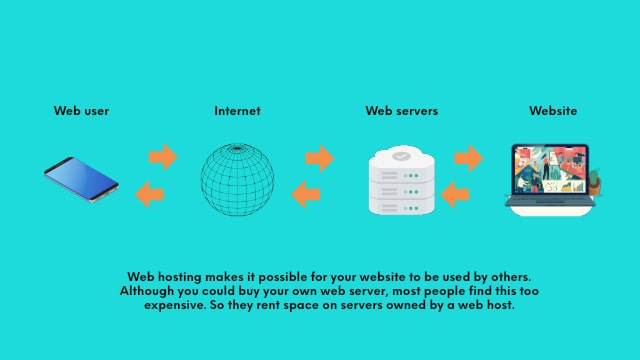
Credit: www.godaddy.com
Key Components Of Web Hosting
Web servers are powerful computers. They store your website’s files. They deliver these files to users who visit your site. These servers work 24/7. They ensure your website is always online. Without web servers, your site cannot be accessed. They keep your site running smoothly.
Data centers house many web servers. They are large, secure buildings. These centers have power backups. They prevent your site from going down. Data centers maintain the servers. This ensures your website is fast and reliable.
Control panels help manage your hosting. They are user-friendly tools. You can create email accounts. You can also install applications easily. Control panels make web hosting simple. They save you time and effort.
Domain management is about handling your website’s name. It ensures your domain points to the right server. This makes your site reachable. Managing a domain is easy with hosting services. They provide tools to assist you. You can update settings with just a few clicks.
How Websites Are Hosted
Files are sent from your computer to the server. This is done using FTP or a similar tool. You need a username and password. These keep your site safe. Once uploaded, files are stored. The server makes them ready for users to see. Each file plays a part in your website’s look and function.
Databases hold information like user data and posts. They work with your site. Connecting a database is important. You use scripts to make this connection. It helps keep data organized. This makes it easy to find things on your site. Databases help sites run smoothly.
DNS tells the internet where your site is. Think of it like an address book. You set up DNS to direct traffic to your server. This helps users find your site. Without DNS, people can’t reach you. DNS keeps your site visible online. It’s important for web hosting.
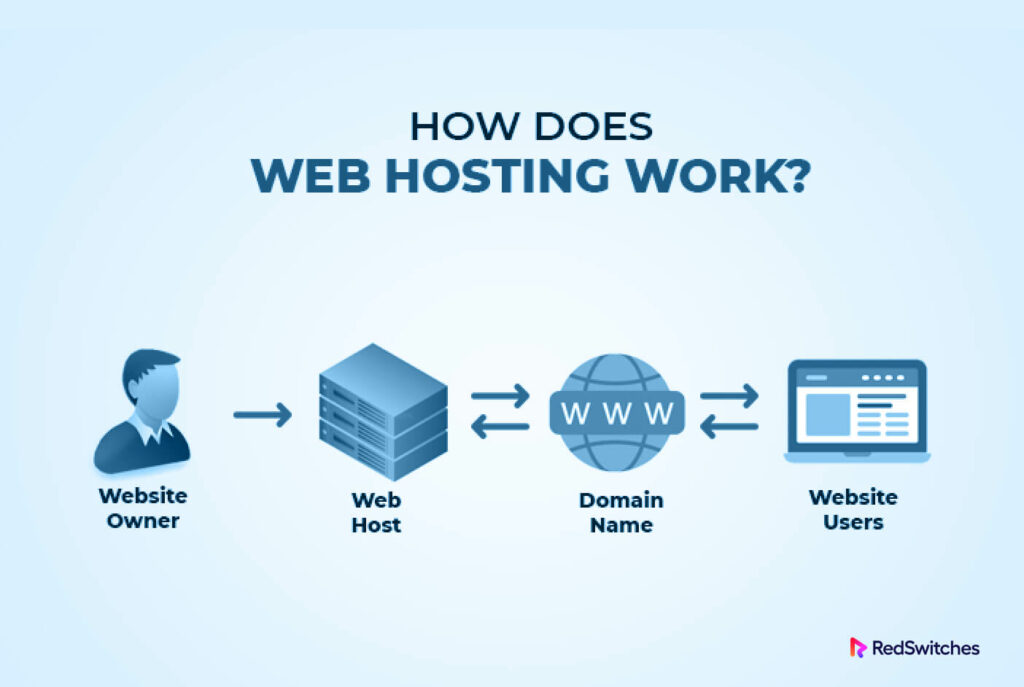
Credit: blog.gotmyhost.com
Role Of Bandwidth And Storage
Bandwidth is like a road for data. It decides how much data moves at once. Higher bandwidth means more data can travel. But, there are limitations. If too many visitors come, the website might slow down. This is because the bandwidth is full. It’s like a traffic jam. So, websites need enough bandwidth. This keeps them running smoothly. A busy website needs more. A small website might need less. Bandwidth should match the website’s needs.
Storage is the space for your website’s files. These include images, text, and videos. Every file takes up space. Big websites need more storage. Small ones need less. Think of it like a closet. More clothes need more space. If there’s no space, you can’t add more. So, always check your storage needs. Choose a hosting plan that fits. This keeps the website running well.
Security Measures In Hosting
SSL certificates keep data safe. They encrypt information sent between users and websites. This prevents hackers from stealing data. SSL is crucial for protecting passwords and credit card info. It builds trust with visitors.
Firewalls act like guards. They block harmful traffic from reaching a website. Firewalls can stop viruses and hackers. They are essential for keeping data secure. Hosting services often provide strong firewalls.
Regular backups save copies of your website. Backups help you recover data after problems. They protect against accidental deletion and cyber attacks. Hosting services offer automated backups. This ensures you never lose important information.
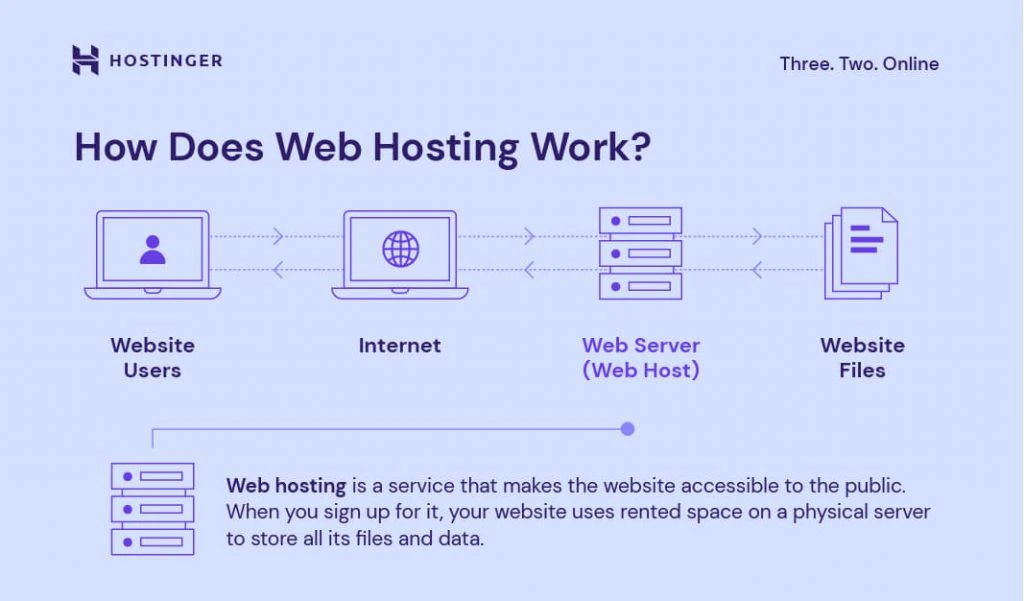
Credit: www.hostinger.com
Performance Optimization
A Content Delivery Network (CDN) helps websites load faster. It stores website files in different places around the world. When someone visits a website, the CDN picks the closest server. This makes pages load quickly. Faster loading helps keep visitors happy. CDNs also protect sites from too much traffic. This keeps websites running smoothly and safely.
Caching saves website data for future use. It makes websites load faster by reducing data transfer. Browsers store cached data on your device. Next time you visit, it loads from the cache. This saves time and bandwidth. Caching is useful for pages you visit often. It keeps websites fast and responsive.
Load balancing shares traffic across multiple servers. It keeps websites running during high traffic. If one server is busy, others help out. This prevents site crashes and downtime. Load balancing makes sure all users have a good experience. It helps with big events or sudden traffic spikes. Websites stay steady and reliable.
Choosing The Right Hosting Provider
Understand what your website requires. Small sites need basic hosting. Large sites need advanced hosting. Think about storage and traffic. More traffic needs more resources. Decide on security too. Some sites need extra protection. Write down your needs. Compare them with hosting offers. This will help find the best choice.
Features vary with hosting plans. Look at storage and bandwidth. Unlimited bandwidth is good for large sites. Check server type and location. Near servers may work faster. Control panels help manage sites. See if they are easy to use. Compare pricing too. Some plans offer better deals.
Help is crucial. Good support solves problems fast. Look for 24/7 support. Check how to reach them. Phone, chat, or email options are best. Read reviews about support quality. Happy customers mean good service. Quick response is important. Friendly staff make things easy.
Common Challenges And Solutions
Downtime happens when websites are not online. This can cause frustration. People cannot visit your site. Businesses might lose money. The solution is to choose a reliable hosting provider. They have backup systems. These systems keep sites online. Good hosts have 24/7 support. They fix problems fast.
Hackers can attack websites. They steal information. This includes names and passwords. To stay safe, use strong passwords. Change them often. Install security plugins. They block hackers. Always update your software. New updates fix security holes.
Websites grow. More people visit them. This needs more resources. Choose hosts with scalable plans. They offer more storage and bandwidth. Upgrading plans is easy. This means your site can handle more visitors. No slowdowns happen then.
Frequently Asked Questions
How Does A Web Hosting Service Work?
Web hosting services store website files on servers, making them accessible online. Users rent server space, enabling websites to function. Hosting providers offer technical support, security features, and domain management. Reliable hosting ensures fast loading times and uptime, enhancing user experience and SEO performance.
How Much Does Web Hosting Cost Per Month?
Web hosting costs vary from $3 to $30 per month. Pricing depends on the hosting type and features offered. Shared hosting is cheaper, while dedicated or VPS hosting costs more. Always compare plans to find the best value for your needs.
What Is An Example Of A Web Hosting Service?
An example of a web hosting service is Bluehost. It offers reliable hosting solutions for websites, including shared, VPS, and dedicated hosting options. Bluehost is popular for its user-friendly interface and excellent customer support, making it ideal for beginners and professionals alike.
Can I Run My Website Without Hosting?
A website needs hosting to be accessible online. Hosting stores your site’s files on a server. Without hosting, your website can’t be visible on the internet. Choose a reliable hosting provider to ensure your site runs smoothly and loads quickly for visitors.
Conclusion
Web hosting makes websites accessible online. It stores your site’s data. Servers handle requests and deliver content. Different plans suit various needs. Shared hosting offers affordability. Dedicated hosting provides control. Cloud hosting ensures flexibility. Choose wisely based on your goals.
Reliable web hosting boosts site performance. Site speed impacts user experience. Security is crucial for data protection. Evaluate hosting providers carefully. Consider support and uptime guarantees. A good host enhances your online presence. Make informed decisions for successful web hosting.


