
Have you ever wondered how your email connects to web hosting and domain names? It might seem like a puzzle at first, but once you understand the pieces, it becomes clear.
Imagine the internet as a bustling city. Your domain name is like the street address, helping people find your place online. Web hosting is the land where your website stands. And email? It’s the mailbox on your digital property, allowing communication to flow smoothly.
When you grasp the relationship between these elements, managing your online presence becomes easier and more efficient. You’ll be able to streamline your communication, ensure the security of your messages, and maintain a professional image. Don’t miss out on discovering how these critical components work together to support your online activities. Dive into the details, and unlock the secrets to enhancing your digital footprint.

Credit: wildirismarketing.com
Basics Of Email, Web Hosting, And Domains
Email is a way to send messages online. You can share texts, images, and files. It works like sending a letter but faster. You need an email address to send and get emails. Each email address is unique, like a phone number. People use email for work and fun. It helps people stay in touch.
Web hosting is a service that keeps your website online. It stores all the files and data for your site. Hosts make sure your website is safe and fast. Without web hosting, your site can’t be seen. Good hosts help your site work well. They keep your data safe and help when things break.
A domain name is your website’s address online. It helps people find your site easily. Domains are like street names for websites. They end with .com, .org, or .net. Domains need to be registered. They are important for branding. People remember your site by its domain name.
Role Of Domain Names In Email
An email address has two parts: username and domain name. The username comes before the ‘@’ symbol. The domain name follows the ‘@’ symbol. For example, in “jane@example.com,” “jane” is the username. “Example.com” is the domain name. The domain name helps identify the email server. It shows where the email gets delivered. Every domain name is unique. This makes sure emails go to the right place. This structure helps organize emails worldwide.
The domain name tells where an email comes from. It acts like an address. Think of it as a home for your emails. The domain name helps people recognize the sender. Companies use their own domain names. This makes their emails look professional. For example, “support@business.com” shows the email is from “business.com”. The domain name builds trust with email receivers. People know the email is from a real source.
Web Hosting And Email Services
Many web hosting packages offer email services. These services include email addresses linked to your domain. This makes your emails look more professional. For example, you can have an email like name@yourdomain.com. Such emails build trust with users.
Email hosting helps manage your messages. You can send and receive emails easily. Some packages offer unlimited email accounts. This is useful for growing businesses. Check if email support is included in your hosting plan.
Choose a host that meets your email needs. Look for storage space and spam filters. Good spam filters keep your inbox clean. Make sure they offer strong security features. This keeps your emails safe.
Some hosts offer 24/7 support. This helps if you have email issues. Compare different plans. Pick one that fits your budget and needs. Remember, a good host makes email handling easy.
Setting Up Email With Web Hosting
You need a domain name and web hosting for email. First, go to your hosting account. Then, find the email section. Here, you can create new email accounts. Choose a username and password. Click save to finish. This gives you a custom email address. For example, yourname@yourdomain.com. It’s perfect for businesses. It looks professional and trustworthy.
Email storage is important. Each email account has a storage limit. Too many emails can fill the space. Delete old emails to free up space. You can also archive emails. This keeps important emails safe. Check your storage often. Keep your email running smoothly. A full inbox can cause problems. Emails might bounce back. Nobody wants that.
Security Considerations
Email connects closely with web hosting and domain names, sharing security risks. Protecting sensitive data from phishing and spam attacks is essential. Secure configurations and robust authentication practices help maintain email integrity.
Email Security Measures
Email security is very important for everyone. Hackers try to steal your information. Use strong passwords to protect your email. Change passwords regularly. Never share your password. Keep your email safe from strangers.
Two-factor authentication helps keep your email safe. It adds an extra layer of security. You need a password and a code. The code is sent to your phone. This keeps hackers away from your email.
Protecting Domain And Hosting
Your domain and web hosting need protection too. They are like your online home. Keep them safe from hackers. Use secure passwords for domain accounts. Choose a strong web host. Make sure they have good security measures.
Regular updates help protect your website. Update plugins and software often. Back up your website data. This keeps your website safe. Protecting your domain and hosting is very important.
Credit: momentum3growth.com
Benefits Of Integrated Solutions
Email integration with web hosting and domain names streamlines communication. It ensures professional email addresses matching your domain, enhancing brand credibility. Centralized solutions simplify management, saving time and effort.
Streamlined Management
Email, web hosting, and domain names can work together. This creates a smooth management system. You save time by handling everything in one place. No need to switch between different platforms. This makes your tasks easy and quick. You focus on your main goals without distractions.
Enhanced Professional Image
Using the same domain for your email and website looks professional. People trust you more. Your email matches your website. This makes your business look well-organized. It also helps people remember your brand easily. A consistent image boosts your credibility.
Common Issues And Troubleshooting
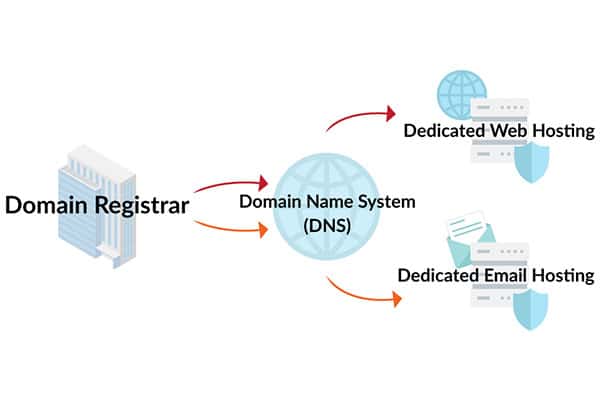
Email functionality often ties to web hosting and domain names. Web hosting stores your website files and manages email services. Domain names act as your website’s address, essential for email setup. Ensure they properly connect to avoid common issues like sending and receiving errors.
Email Delivery Problems
Email might not reach your inbox. This can be due to spam filters. Some emails end up in the spam folder. Check your spam folder often. Another issue is incorrect email addresses. Always double-check addresses before sending. Full email storage can also cause problems. Delete old emails to free up space. Sometimes, servers have downtime. This means emails get delayed. Patience helps in these cases. You can also contact support for help. They can fix server issues quickly. Using a reliable email provider is important. It reduces delivery problems.
Domain And Hosting Conflicts
Domains and hosting are linked to emails. Incorrect DNS settings can cause issues. These settings tell your email where to go. Check your DNS settings if emails fail. Hosting downtime can also affect email. Emails might not send or receive. It’s important to choose stable hosting. Ensure your domain is active. An expired domain won’t send emails. Regular checks help prevent conflicts. Make sure all settings are updated. This keeps your email running smoothly.

Credit: www.icontact.com
Frequently Asked Questions
What Is The Relationship Between Domain And Email?
A domain hosts your website and email services. Email addresses use the domain name for identification and branding. Linking your email to your domain enhances credibility, professionalism, and brand consistency. Managing both through one domain simplifies administration and boosts online presence.
Does Web Hosting Include Email?
Many web hosting plans include email services. Check with your provider for specific features like email accounts and storage. Ensure the hosting plan matches your email needs for business or personal use. Always review the details before purchasing a hosting package.
What Is Domain And Email Hosting?
Domain hosting stores your website’s files, making them accessible online. Email hosting manages your domain’s email accounts, ensuring reliable communication. Both services are essential for a professional online presence. They can be purchased separately or combined from hosting providers. Proper management enhances your site’s performance and email reliability.
Is My Email Address Connected To My Domain?
Your email can be connected to your domain through domain hosting services. This setup ensures a professional appearance, enhances branding, and improves email deliverability. Contact your hosting provider for assistance in configuring domain-based email addresses.
Conclusion
Email links closely with web hosting and domain names. They create a united digital presence. Your domain affects email addresses, making them professional. Web hosting stores email data securely. Choosing the right host boosts email performance. Together, they shape your online identity.
Seamless integration helps communication flow smoothly. Understanding these connections enhances your online setup. Simplifies management, too. Consider each element’s role for a cohesive system. A thoughtful approach ensures efficiency and reliability. Ready to connect your digital dots? Let’s put these pieces together.


