
Imagine having access to a web hosting solution that is as flexible and scalable as your dreams. That’s precisely what cloud web hosting offers.
If you’re curious about how this modern hosting method works and why it might be the perfect fit for your website, you’re in the right place. Cloud web hosting is revolutionizing the way websites operate, offering a reliable and efficient platform that can grow with your needs.
By reading this article, you’ll gain insights into the mechanics of cloud hosting and discover the benefits it can bring to your online presence. Are you ready to transform your website’s performance and reliability? Let’s dive into the fascinating world of cloud web hosting and see how it can elevate your digital experience.
Credit: www.sectorlink.com
Cloud Hosting Basics
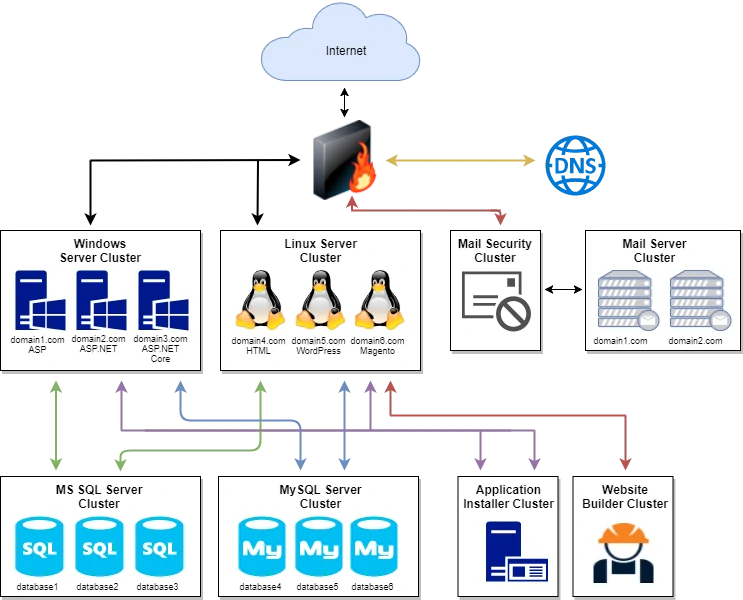
Cloud hosting uses many servers to host websites. These servers form a network. Websites can use resources from this network. If one server fails, another one helps. This makes cloud hosting very reliable. It is also scalable. Websites can grow without problems. More traffic? No worries. The cloud can handle it.
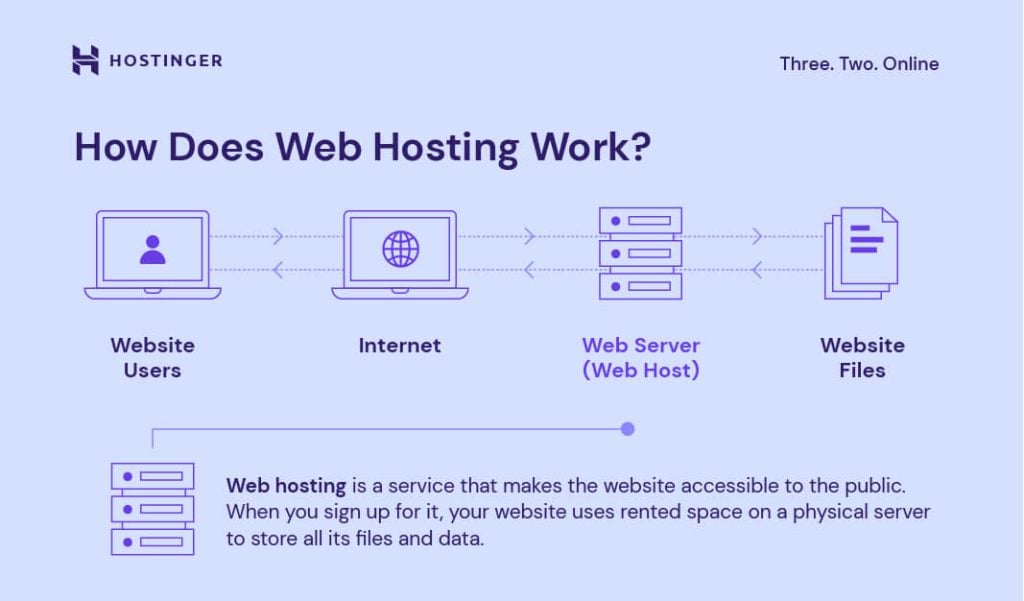
Traditional hosting uses just one server. If it fails, the website goes down. It can be less flexible. Adding more resources is hard. Cloud hosting is different. It uses many servers. This makes it more secure and stable. It adjusts quickly to changes. So, websites stay online more often.
Credit: www.hostinger.com
Infrastructure And Technology
Virtualization is a key part of cloud hosting. It allows one server to act like many. This means you can have different websites on the same server. Each site gets its own space. This makes the server work better. It also helps save money. You get the best use of the server’s power. Virtualization helps make websites fast and reliable. It also makes it easy to add more space when needed.
Data centers are where cloud hosting happens. They have many servers. These servers store and manage your website data. A data center is like a big computer building. It keeps your website online all the time. They have backup power and cooling systems. This keeps servers safe and running. Data centers also have strong security. This keeps your website data safe from hackers.
Scalability And Flexibility
Cloud hosting lets websites grow easily. Resources like storage and power adjust automatically. A website needs more resources? The cloud provides them. No waiting. This keeps websites fast and reliable. Users get a smooth experience.
Sudden traffic spikes are no problem. Cloud hosting handles extra visitors with ease. It spreads the load across many servers. This keeps the website from crashing. Website stays online and stable. Users can visit without delays.
Credit: verpex.com
Security Measures
Cloud web hosting works by distributing data across multiple servers, enhancing security and reliability. These servers work together to handle traffic efficiently, reducing risks of downtime. Implementing security measures like encryption and regular updates ensures data protection and safe access for users.
Data Encryption Techniques
Data encryption keeps your information safe. It changes data into secret codes. Only people with a special key can read it. This stops bad people from seeing your data. Every cloud host uses encryption. It keeps your files safe in the cloud. Without encryption, data is unsafe and can be stolen. It is like locking a door with a key. Only the right person can open it.
Firewall And Network Security
Firewalls are like guards. They protect your network from bad guys. They check all data coming in and out. Only safe data can pass through. Network security stops attacks on your cloud server. It uses strong passwords and secure connections. This keeps hackers out. Firewalls and network security work together. They keep your cloud safe and secure.
Cost Efficiency
Cloud web hosting is often cheaper. You pay only for what you use. This is called a pay-as-you-go model. It helps save money. No need to pay for unused resources. This makes cloud hosting smart and flexible.
| Hosting Type | Cost |
|---|---|
| Cloud Hosting | Pay for usage |
| Shared Hosting | Fixed monthly fee |
| Dedicated Hosting | High fixed fee |
Cloud hosting is like sharing a car. You pay only when you drive. Shared hosting is like renting a car. You pay the same fee each month. Dedicated hosting is like buying a car. You pay a lot upfront. Cloud hosting can be much cheaper.
Performance And Reliability
Cloud hosting uses load balancing to help websites run smoothly. It spreads tasks across many servers. This makes sure no single server gets too busy. This helps in keeping the website fast and efficient. Even if one server fails, others take over. This ensures that users have a good experience. Your website stays online and active. Load balancing is like a traffic officer for the internet.
Redundancy means having extra parts ready. Cloud hosting uses this idea. If one part breaks, another one is ready. This makes your website stay online almost always. Uptime is the time your site is live. Cloud hosting aims for high uptime. Many servers work together. This helps keep the site running all the time. Users can visit the site any day, any time.
Popular Cloud Hosting Providers
Cloud hosting splits websites across multiple servers, ensuring efficiency and reliability. Popular providers like AWS and Google Cloud utilize this approach for dynamic scalability. These services automatically manage traffic spikes, enhancing speed and performance for users worldwide.
Overview Of Leading Companies
Amazon Web Services (AWS) is a top provider. It offers many features. Google Cloud Platform is another option. It is known for its strong security. Microsoft Azure is also popular. It provides flexible solutions for businesses.
DigitalOcean is loved by developers. It is easy to use and affordable. IBM Cloud has a large network of servers. It offers many tools for data management. Alibaba Cloud is big in Asia. It provides cost-effective solutions.
Features And Services Offered
Many cloud hosts offer scalable resources. This means you can add more power. They also provide automatic backups. This keeps your data safe. 24/7 support is common. It helps users with issues.
Customizable settings allow users to tweak services. This helps meet specific needs. Global data centers improve performance. They make sites load faster. Many providers offer developer-friendly tools. These tools simplify app creation.
Choosing The Right Cloud Hosting Service
Businesses must assess their storage and processing requirements. A small business might need less space. A bigger one might need more. Think about scalability. The service should grow with the business. Consider the security features. Data should be safe and private. Look at costs. Find a service that fits the budget.
Reliability is crucial. Ensure minimal downtime. Check customer support. Help should be available 24/7. Explore the backup options. Data should be easily recoverable. Compatibility with existing systems is important. Ensure smooth integration. Finally, check the user reviews. Real experiences can guide decisions.
Frequently Asked Questions
How Does Cloud Hosting Work?
Cloud hosting uses virtual servers to store and manage data across multiple locations. It ensures flexibility and scalability. Users access resources via the internet, paying only for what they use. This setup enhances reliability and performance, enabling businesses to grow without hardware constraints.
What Is The Difference Between Cloud Hosting And Web Hosting?
Cloud hosting uses multiple servers for resource distribution, enhancing reliability. Web hosting relies on one server for hosting websites.
How Much Does It Cost To Host A Website On The Cloud?
Cloud hosting costs vary based on resources and provider. Basic plans start at $5-$10 monthly. Advanced options cost more. Providers like AWS, Google Cloud, and Azure offer scalable pricing. Compare features and pricing to find the best fit for your website needs.
What Is The Difference Between Cloud Hosting And Local Hosting?
Cloud hosting stores data on remote servers, accessible via the internet. Local hosting uses on-site servers for storage. Cloud offers scalability and flexibility, while local provides more control and security. Cloud hosting usually requires less maintenance, while local hosting demands physical infrastructure management.
Conclusion
Cloud web hosting offers flexibility and scalability. It ensures your website runs smoothly. Resources adjust to your needs instantly. This means less downtime and more reliability. Costs can be managed efficiently. Pay only for what you use. Security measures protect your data.
Multiple backups safeguard your information. You can focus on growing your website. The cloud handles the technical side. Choose cloud hosting for better performance. It simplifies your web hosting experience. Ideal for businesses of all sizes. Embrace the future of web hosting today.
It’s a smart choice for modern websites.


