
Imagine having the power to access your website’s data from anywhere, anytime, without the hassle of managing physical servers. That’s the magic of cloud-based web hosting.
It’s like having your website floating on a digital cloud, ready to expand and adapt to your needs. If you’ve ever wondered how this innovative hosting solution works, you’re in the right place. This article will demystify cloud hosting, showing you how it can revolutionize the way you manage your online presence.
By understanding the mechanics behind it, you can make informed decisions that enhance your site’s performance and reliability. Stick around to discover how cloud-based web hosting can be the game-changer for your digital journey.
Cloud Hosting Fundamentals
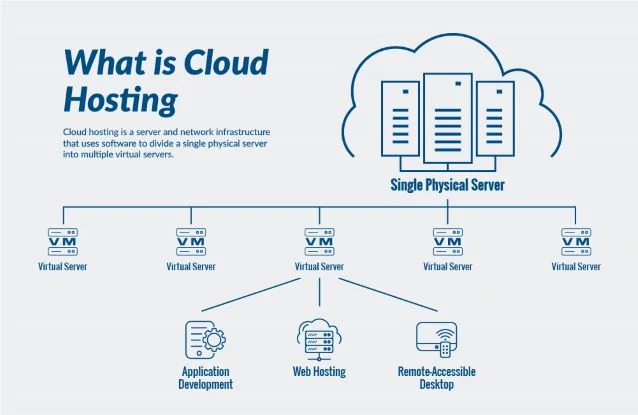
Cloud hosting means using multiple servers to host websites. This makes it flexible. Websites can grow as needed. If one server fails, others take over. This helps keep sites running smoothly. It’s different from using one main server. Cloud hosting spreads the work. It uses technology to balance the load. This helps with speed and reliability. Businesses often choose cloud hosting for large websites.
Traditional hosting uses one server. Cloud hosting uses many. This makes cloud hosting more flexible. Traditional hosting has limits. If the server fails, the site goes down. Cloud hosting avoids this problem. It switches to another server. Cloud hosting is often faster. Traditional hosting can be slower if too many users visit. Costs differ too. Cloud hosting charges for what you use. Traditional hosting has fixed prices. Understanding these differences helps choose the best option.
Architecture Of Cloud Hosting
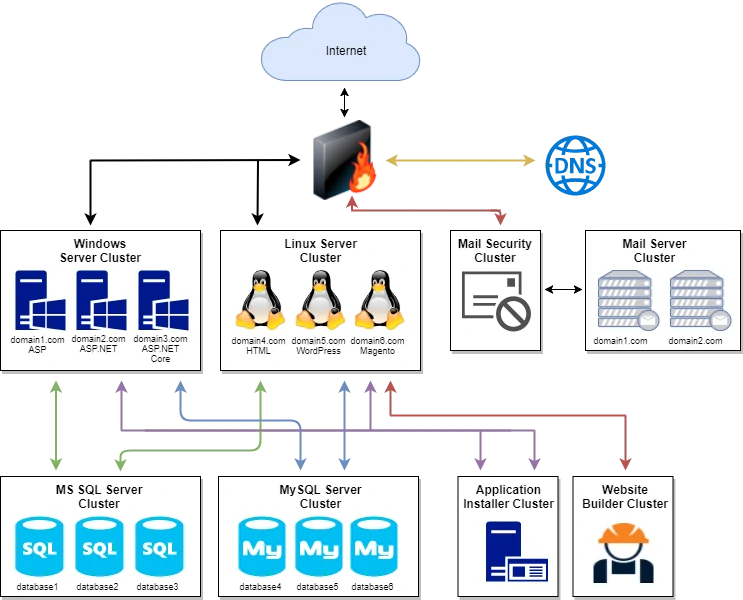
Cloud hosting uses a distributed server network. This means your website is not on one server. It is on many servers. These servers work together. They form a big network. This network can handle lots of visitors. If one server fails, others take over. This makes cloud hosting very reliable.
Each server has a job. Some store data. Others manage traffic. Some run applications. This is called load balancing. It helps everything run smoothly. Cloud hosting can grow with your needs. Add more servers if needed. This is called scalability. It keeps your website fast and efficient.
How Data Is Managed
Cloud hosting uses many servers to store data. Each server holds a part of your data. This method is called distributed storage. It helps in managing large amounts of data. If one server fails, another can take over. This ensures your data is always safe.
Data is often copied across different servers. This is called data redundancy. It means there is always a backup. Even if a server crashes, data remains safe. Security is also important. Data is protected by strong passwords and encryption. This keeps it safe from hackers. Cloud providers take security very seriously.
Credit: blog.hubspot.com
Scalability And Flexibility
Cloud hosting is like having a magic box for your website. It can grow and shrink. This is called dynamic resource allocation. If many people visit your site, the cloud gives more power. Your site stays fast and smooth. No crashes happen. Traffic spikes are no problem.
Traffic spikes are sudden. Many people visit at once. Cloud hosting helps with this. More servers work together. They handle extra visits. Your site stays online. This is important for businesses. Happy visitors mean more success.
Advantages Of Cloud Hosting
Cloud hosting is often cheaper than traditional hosting. You pay only for what you use. No need to buy expensive hardware. This saves money. You can easily adjust your needs. Scale up or down as required. Avoid waste and save resources.
Cloud hosting offers fast service. Websites load quickly. This keeps visitors happy. Multiple servers work together. They share the load. This means less downtime. Your website stays online more often. Users get a smooth experience. It’s reliable and efficient.
Credit: www.sectorlink.com
Challenges In Cloud Hosting
Cloud hosting can face downtime risks sometimes. Servers might go offline. This can stop your website from working. Downtime can cause loss of visitors and revenue. It’s important to have a backup plan. Make sure your provider has a good track record. Choose a provider with 24/7 support. This helps in fixing problems fast.
Security is very important in cloud hosting. Hackers might try to steal data. Sensitive information must be safe. A strong firewall is needed. Use encryption to protect data. Regular updates keep systems secure. Always use strong passwords. Change them often. Security audits help find risks early.
Future Trends In Cloud Hosting
Cloud hosting offers flexible and scalable solutions by distributing resources across multiple servers. This system ensures high availability and efficient data management. Users benefit from improved performance and security, making it a preferred choice for modern websites.
Emerging Technologies
Cloud hosting is getting smarter every day. AI helps servers manage data. Machine learning predicts problems before they happen. Blockchain makes transactions secure and fast. These technologies make hosting reliable and safe. Quantum computing is also growing. It can process information really fast. This makes cloud hosting even better.
Market Growth Predictions
The demand for cloud hosting is rising. More companies use cloud hosting. Experts say the market will grow a lot. Many businesses move to the cloud. This is because cloud hosting saves money. It also increases flexibility and speed. Reports show strong growth in the next years. The cloud hosting market is expanding quickly.
Credit: www.hostinger.com
Frequently Asked Questions
How Does Cloud Hosting Work?
Cloud hosting uses a network of virtual servers to store and manage data online. Resources are distributed across multiple locations, ensuring reliability and scalability. Users access services via the internet, paying only for what they use. This setup enhances performance, security, and flexibility for businesses.
What Is The Difference Between Cloud Hosting And Web Hosting?
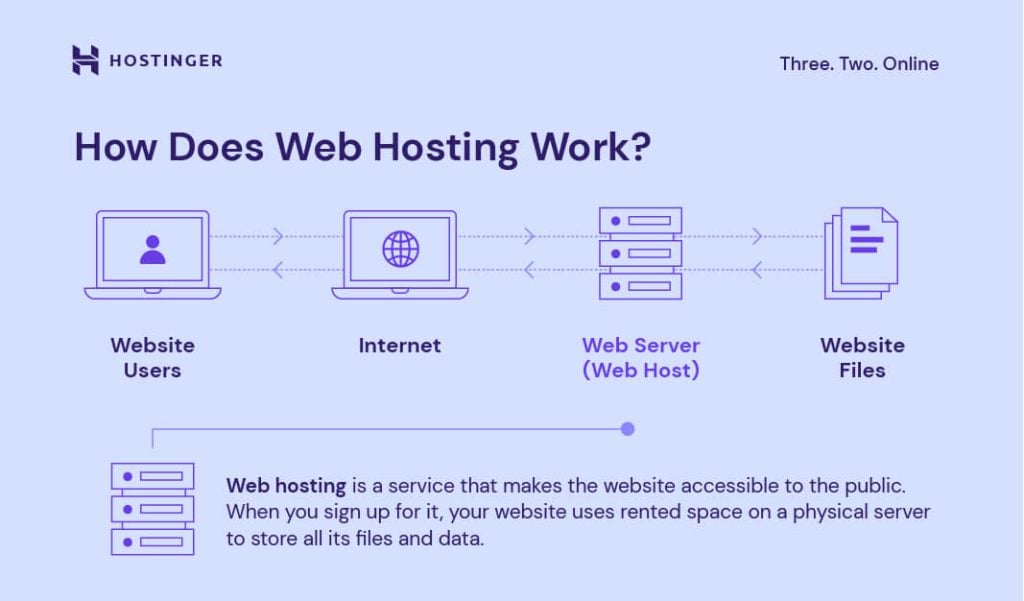
Cloud hosting uses multiple servers to balance load, ensuring high reliability. Web hosting relies on a single server.
How Much Does It Cost To Host A Website On The Cloud?
Cloud hosting costs vary based on provider and resources. Prices typically start from $5 to $100+ monthly. Basic plans are cheaper, while advanced features increase costs. Consider storage, bandwidth, and support when budgeting. Compare options to find the best fit for your needs.
What Is The Difference Between Cloud Hosting And Local Hosting?
Cloud hosting stores data online, offering scalability and remote access. Local hosting keeps data on-site, ensuring control and privacy.
Conclusion
Cloud-based web hosting offers flexibility and reliability. It distributes resources across multiple servers. This ensures your website stays online even during traffic spikes. Costs can be lower, as you pay for what you use. It also provides easy scalability. Upgrading is simple without much downtime.
Security is a focus, with regular updates and backups. Consider cloud hosting for a robust web presence. It suits many businesses needing reliable online services. Understanding its benefits can help you make informed decisions.


