
Have you ever wondered why your inbox is bursting with unwanted emails? You’re not alone.
Many people question how spammers find their web-hosted email. It’s frustrating, confusing, and at times, overwhelming. But understanding the tactics spammers use can empower you to protect your digital space. Imagine having the knowledge to shield yourself from the barrage of spam.
You deserve a clutter-free inbox, and this guide is here to help. Dive into the mystery of spam emails and discover how to reclaim control over your email environment. Let’s explore the secrets behind how spammers discover your email address and what you can do to stop them.
Spammer Techniques
Spammers use email harvesting to find your email address. They search the internet for emails. They use tools to scan websites. These tools look for email patterns like “name@domain.com”. Spammers collect many emails this way. It is easy for them to get data. They do not need permission to collect emails.
Spammers use dictionary attacks to guess emails. They try many combinations of names and words. For example, they try “john@example.com” or “info@example.com”. Spammers use computers to make many guesses fast. They do not care if emails are real. They send messages to all possible addresses.
Web scraping helps spammers find emails on websites. They use programs to copy data from web pages. Spammers look for email addresses in text. They gather emails from contact pages or forums. This method is quick and simple for collecting many emails.
Common Sources Of Email Exposure
Many emails are listed in public directories. People search these directories easily. Spammers gather emails from them. Public directories make it easy to find emails. Often, people are unaware of this risk. Their emails become exposed without their knowledge.
Spammers love social media. Many users share their emails openly. Profiles with emails are easy targets. Spammers collect them quickly. Always be careful with what you share. Privacy settings can help a lot. They hide your email from strangers.
Website forms can also expose emails. Spammers target websites with weak security. These forms often store email data. Spammers steal this data easily. Protecting website forms is important. Strong security measures are needed. This keeps emails safe from spammers.
The Role Of Bots In Spamming
Bots play a big role in spamming. They are fast and sneaky. These bots are called automated crawlers. They search the web day and night. Bots look for email addresses on web pages. They grab what they find without asking. This is how they fill spammers’ lists. Bots never stop and they work very quickly. They can visit thousands of sites in minutes. This makes them very effective for spammers.
Algorithms help bots find data. These algorithms are like instructions for the bots. They tell bots what to do. They guide bots to find email addresses. These algorithms are very smart. They can find hidden emails too. Even if emails are not visible, bots can still find them. The algorithms are updated often. This makes bots better at their job.
Credit: www.godaddy.com
Impact Of Email Leaks And Breaches
Data breaches can expose your email. This makes it easy for spammers. They get your email from hacked sites. Bad guys sell these emails online. Millions of emails get leaked. Spammers use them to send junk mail. Your inbox gets filled with unwanted messages.
Many sites use third-party services. These services might not be safe. They can leak your email. Spammers look for weak spots. When they find one, they take emails. Then, they spam those emails. Always check if a site is safe. Use strong passwords. This can help protect your email.
Protecting Your Email From Spammers
Encrypting your emails keeps them safe. Spammers can’t read encrypted messages. Use tools that offer strong encryption. Email services with encryption are more secure. They make it hard for spammers to steal data. Encryption acts like a lock on your email.
Spam filters help keep unwanted emails away. They sort junk emails automatically. Filters look for bad words and patterns. They block emails from spammers. This keeps your inbox clean. Setting up filters is easy and helps a lot.
Choose a web host that offers secure solutions. Secure hosts protect your email system. They use firewalls and other tools. These tools stop spammers from getting in. A good host always updates its security. This makes your email safer.

Credit: m.facebook.com
Legal Measures Against Spamming
Anti-spam laws help stop unwanted emails. These laws make rules for emails. Spammers can get in trouble if they break these rules. Some countries have strict laws. They want to protect users. These laws can include fines. Some laws also require an opt-out option. This lets people stop getting emails. Spammers must follow these laws. If not, they can face big fines.
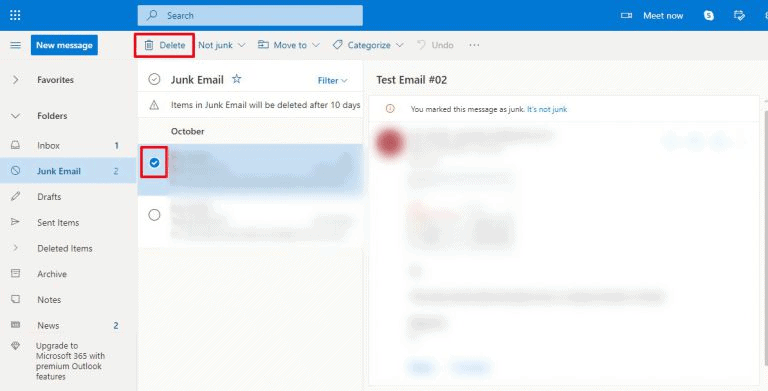
Reporting mechanisms let people report spam. This can help stop it. Many email services have a “report spam” button. Clicking this helps block spammers. Some governments also have websites to report spam. Reporting helps track and stop spammers. It makes the internet safer for everyone.
Credit: www.gmass.co
Frequently Asked Questions
How Do Hackers Find Your Email Address?
Hackers find email addresses through data breaches, phishing, social media scraping, online forums, and public records. They use automated tools to collect emails from websites and databases. Protect your email by using strong passwords and being cautious online.
How Do I Stop My Email Address From Being Used By Spammers?
Use a strong, unique password for your email account. Enable two-factor authentication. Avoid sharing your email publicly. Use a spam filter. Be cautious of phishing emails and don’t click suspicious links.
How Did A Website Get My Email?
Websites obtain your email through sign-ups, purchases, or public sources. They might also buy lists from data brokers. Always review privacy policies to understand how your data is used. Opt-out options can help manage subscriptions.
How Do I Remove My Email Address From Spammers?
Use a spam filter to block unwanted emails. Avoid sharing your email on public platforms. Unsubscribe from unwanted newsletters. Regularly update your email password. Consider using a secondary email for sign-ups.
Conclusion
Spammers find emails through various sneaky methods. They exploit web vulnerabilities and use bots. Sometimes, they buy email lists from unreliable sources. Protecting your email is crucial. Regularly update your security settings. Use strong, unique passwords. Consider spam filters to reduce unwanted emails.
Always be cautious with sharing your email online. Simple steps can help keep your inbox safe. Stay informed about new threats. Keep your digital space secure. Your privacy matters. Take action today.


