Are you wondering how to update your WordPress site without breaking anything? Keeping your site up to date is essential for security, speed, and a smooth user experience.
But if you’re unsure where to start, it can feel overwhelming. Don’t worry—this guide will walk you through simple, clear steps to update your WordPress site safely and easily. By the end, you’ll have the confidence to keep your site running at its best.
Ready to take control and protect your online space? Let’s dive in.
Preparing For The Update
Preparing for a WordPress update is important to keep your site safe and working well. Updates can fix bugs and add features. But updating without preparation can cause problems. Follow these steps to prepare your site for an update.
Backing Up Your Site
Backing up your site means saving a copy of all files and data. This protects your content if something goes wrong during the update. Use a plugin or your hosting service to create a full backup. Store the backup in a safe place outside your server.
Checking Plugin Compatibility
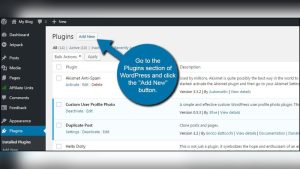
Plugins add extra features to your WordPress site. Some plugins may not work after an update. Check each plugin’s compatibility with the new WordPress version. Visit the plugin’s page or developer site for update notes. Disable plugins that are not compatible before updating.
Reviewing Theme Updates
The theme controls your site’s look and layout. Themes also get updates for security and new features. Check if your current theme has an update available. Read the update details to see if it works with the new WordPress version. Update the theme before or after updating WordPress, depending on instructions.
Credit: themeisle.com
Updating WordPress Core
Updating the WordPress core is essential for site security and performance. It keeps your website safe from hackers and bugs. Regular updates also bring new features and improvements. WordPress makes updating easy with built-in tools. You can update your site either automatically or manually. Choose the method that suits your comfort level and site setup.
Using The Dashboard Update Tool
The easiest way to update WordPress is through the dashboard. Log in to your WordPress admin area. Look for the update notification at the top or under Dashboard > Updates. Click the “Update Now” button to start. WordPress downloads and installs the latest version automatically. The process takes a few minutes. Your site may go offline briefly. After updating, check your site for any issues. This method is safe for most users and does not require technical skills.
Manual Update Process
Manual updates are useful when the dashboard tool fails. First, backup your entire website and database. Download the latest WordPress package from wordpress.org. Use an FTP client to connect to your web server. Delete the wp-includes and wp-admin folders from your site. Upload the new wp-includes and wp-admin folders from the package. Replace all files in the root directory except wp-config.php and wp-content. Do not overwrite the wp-content folder. Visit yoursite.com/wp-admin/upgrade.php to complete the update. This process needs care and basic technical knowledge. It ensures full control over the update steps.
Updating Plugins And Themes
Updating plugins and themes is vital for your WordPress site’s health. It keeps your site safe from hackers. It also adds new features and fixes bugs. Regular updates help your site run smoothly without errors.
Plugins and themes work together to make your site look good and function well. Outdated versions can cause problems. They might slow your site or cause conflicts. Keep them updated to avoid these issues.
Automatic Updates
WordPress can update plugins and themes automatically. This saves time and effort. You can turn on automatic updates in the dashboard. WordPress will check for new versions and install them.
Automatic updates improve security by fixing vulnerabilities quickly. They also ensure your site uses the latest features. But sometimes updates may cause issues with other plugins or themes. Always backup your site before enabling automatic updates.
Manual Plugin And Theme Updates
Manual updates give you full control over when to update. Check your WordPress dashboard for available updates. You will see notifications for plugins and themes that need updating.
Click the update button next to each plugin or theme. WordPress will download and install the latest version. Manual updates allow you to review changes before installing. This reduces the chance of conflicts or errors.
Remember to backup your site before updating. Testing updates on a staging site is a good practice. It helps prevent issues on your live site.
Troubleshooting Common Issues
Troubleshooting common issues during WordPress updates helps keep your site safe and fast. Updates can fail or cause problems. Knowing how to fix these issues saves time and stress.
This section covers common problems and easy solutions. Clear steps help you fix update errors and plugin conflicts quickly.
Fixing Update Errors
Update errors often occur due to server problems or file permission issues. Check your internet connection first. Then, clear your browser cache. This can solve minor errors immediately.
Next, verify your WordPress file permissions. Incorrect permissions block updates. Set folders to 755 and files to 644. Use an FTP client or hosting control panel for this change.
Another fix is to increase the PHP memory limit. Low memory causes update failures. Add this line to your wp-config.php file: define('WP_MEMORY_LIMIT', '256M');
Disable any security plugins temporarily. They may block update processes. After updating, re-enable them to keep your site protected.
Resolving Plugin Conflicts
Plugin conflicts often cause site errors after updates. Deactivate all plugins first. Then, activate them one by one. This helps find the problematic plugin.
Check plugin compatibility before updating WordPress. Outdated plugins cause conflicts. Update plugins to their latest versions regularly.
If a plugin causes issues, try replacing it with a similar, well-maintained one. Contact the plugin developer for support. They can provide updates or fixes.
Keep your plugins minimal and necessary. Too many plugins increase conflict risks and slow your site.
Post-update Best Practices
After updating your WordPress site, taking a few key steps helps keep everything running smoothly. These best practices prevent issues and improve user experience. They also protect your site’s speed and reliability.
Testing Site Functionality
Check every part of your site after updates. Test links, forms, and buttons to ensure they work correctly. Look for broken images or missing content. Use different browsers and devices to see if the site looks right everywhere. Fix problems quickly to avoid losing visitors.
Clearing Cache
Clear your website cache to show the latest changes. Cached files can cause old content to appear. Clear both your browser cache and any caching plugins on your site. This step ensures visitors see updated pages and features. It helps prevent confusion and errors.
Monitoring Performance
Keep an eye on your site’s speed and uptime after updates. Use tools to track loading times and server response. Watch for any slowdowns or crashes. Address performance issues fast to maintain a good user experience. Regular monitoring keeps your site healthy and reliable.

Credit: www.youtube.com

Credit: www.youtube.com
Frequently Asked Questions
How Do I Update My WordPress Core Safely?
To update your WordPress core safely, back up your site first. Then, use the dashboard’s update feature. Avoid manual updates unless necessary. Always test updates on a staging site before applying them live to prevent errors or downtime.
When Should I Update WordPress Plugins And Themes?
Update plugins and themes as soon as new versions are available. These updates include security patches and performance improvements. Regular updates keep your site secure and compatible with the latest WordPress core version.
What Happens If I Don’t Update My WordPress Site?
Not updating your WordPress site risks security vulnerabilities. Outdated versions can be hacked easily. You may also face compatibility issues and miss new features. Regular updates ensure your site runs smoothly and safely.
Can I Update WordPress Without Losing Data?
Yes, you can update WordPress without losing data. Always back up your database and files before updating. Use reliable update methods via the dashboard to keep your content intact and avoid data loss.
Conclusion
Updating your WordPress site keeps it safe and running well. Regular updates fix bugs and add new features. Always back up your site before starting updates. Use the dashboard to check for available updates. Keep plugins and themes current to avoid issues.
Updating takes only a few minutes but protects your site. Stay consistent to ensure your website works smoothly. Small steps like these make a big difference over time.