Are you ready to create your very own WordPress website but don’t know where to start? Setting up a website might seem tricky at first, but with the right steps, you can have your site up and running quickly.
Imagine having a space online that represents your ideas, business, or passion exactly how you want it. This guide will walk you through the process in simple, clear steps—no confusing jargon or tech talk. By the end, you’ll feel confident to build a website that looks great and works perfectly.
Let’s dive in and make your WordPress website a reality!
Choosing A Domain Name
Choosing a domain name is the first step to start your WordPress website. It is the web address people type to visit your site. A good domain name helps visitors find you easily. It also shows what your website is about.
Keep It Short And Simple
Short domain names are easy to remember and type. Avoid long or complex words. Simple names reduce typing errors and make sharing easier.
Use Relevant Keywords
Include words related to your website’s topic. This helps search engines understand your site. It also attracts visitors interested in your content.
Avoid Numbers And Hyphens
Numbers and hyphens confuse people. They make the domain harder to say and remember. Stick to letters only for clarity.
Choose The Right Domain Extension
.com is the most popular extension. It is trusted by many users. Other options include .net, .org, or country-specific extensions. Pick one that fits your website’s purpose.
Check Availability And Trademarks
Use domain search tools to find free names. Avoid names similar to famous brands. This prevents legal problems and confusion.
Credit: blog.berocket.com
Selecting A Hosting Provider
Choosing the right hosting provider is a key step in setting up a WordPress website. Hosting affects your website’s speed, security, and uptime. A good host makes your site load fast and stay online without interruptions. It also keeps your data safe from hackers.
Many hosting providers offer different plans. Some are affordable but may lack features. Others provide fast servers and helpful support but cost more. Picking the best host depends on your needs and budget.
Selecting The Type Of Hosting
Shared hosting is the cheapest option. Many websites share one server’s resources. This is good for small sites with low traffic. VPS hosting offers more power and control. It suits medium-sized websites. Dedicated hosting gives you a whole server. This is best for large sites with high traffic.
Checking Server Speed And Performance
Fast loading speed improves user experience. Choose a host with servers near your audience. Look for hosts that use SSD storage. SSDs are faster than traditional hard drives. Also, check if the host supports the latest PHP versions. Updated software helps run WordPress smoothly.
Evaluating Customer Support
Support is important, especially for beginners. Pick a host with 24/7 customer service. Live chat and phone support are helpful. Test their response time before buying. Good support solves problems quickly and reduces stress.
Considering Security Features
Security protects your website from attacks. Look for hosts with free SSL certificates. SSL encrypts data between the site and visitors. Also, check if they offer daily backups. Backups help restore your site if something goes wrong. Firewalls and malware scanning add extra layers of protection.
Installing WordPress
Installing WordPress is the first step in creating your website. It sets the base for everything you want to build. The process is simple and can be done in two main ways. One way is using one-click installers. The other is the manual installation process.
Using One-click Installers
Many web hosts offer one-click installers. These tools install WordPress quickly. They save time and avoid technical steps. Usually, you find these installers in your hosting control panel. Click the WordPress icon. Fill out basic site details like site name and admin info. Then, press install. The system does the rest. It sets up the database and files automatically. This method is perfect for beginners. It is fast and requires no coding skills.
Manual Installation Process
Manual installation gives more control over your setup. Start by downloading WordPress from the official website. Upload the files to your web server using FTP. Next, create a database for WordPress on your hosting account. Open your browser and visit your domain to start the setup. Enter your database details and site information. Finish by creating your admin username and password. This method helps understand how WordPress works. It takes longer but can be useful for advanced users.
Credit: wpdeveloper.com
Configuring Basic Settings
Configuring basic settings is the first step after installing WordPress. These settings help shape your website’s identity and structure. They affect how visitors see your site and how search engines index it.
Take time to set these options carefully. They are simple but important for your site’s success. Let’s look at two key settings to start with.
Setting Site Title And Tagline
The site title is the name of your website. It appears in the browser tab and search results. The tagline is a short phrase that describes your site’s purpose.
Go to the WordPress dashboard, then to Settings > General. Enter your site title and tagline in the provided fields. Keep the title clear and the tagline brief. This helps visitors and search engines understand your site quickly.
Adjusting Permalink Structure
Permalinks are the URLs for your posts and pages. A clean, simple URL is easier to read and remember. It also helps with SEO.
In your dashboard, go to Settings > Permalinks. Choose the “Post name” option. This setting uses the post title in the URL, which looks neat and professional. Save the changes to update your permalink structure.
Choosing And Installing A Theme
Choosing the right theme shapes your website’s look and feel. Themes control the design, layout, and style. Picking a good theme helps your site stand out. It also makes your site easy to use and navigate. Installing a theme in WordPress is simple and quick. This step guides you to set the tone for your entire site.
Free Vs Premium Themes
Free themes are available in the WordPress theme directory. They offer basic features suitable for simple sites. These themes are easy to use and install. Many free themes receive regular updates and support.
Premium themes cost money but offer more features and design options. They often include support from developers. Premium themes give you more control over your site’s look. They come with extra tools and customization settings.
Choosing between free and premium depends on your needs and budget. Free themes work well for small blogs or personal sites. Premium themes fit better for business sites or advanced designs.
Installing Themes From The Dashboard
Log in to your WordPress dashboard to start theme installation. Go to Appearance, then click on Themes. Click the Add New button to open the theme library.
Use the search bar to find a theme by name or feature. Hover over the theme and click Install to add it to your site. After installation, click Activate to make the theme live.
You can also upload a theme file if you have one. Click Upload Theme and choose the file from your computer. Then install and activate it the same way.
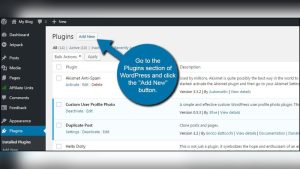
Adding Essential Plugins
Plugins extend the power of your WordPress website. They add new features and improve site functions. Choosing the right plugins is key to a secure, fast, and visible website. Essential plugins help protect your site, boost SEO, and improve performance. Here are some plugin types every WordPress site needs.
Security Plugins
Security plugins protect your site from hackers and malware. They monitor suspicious activity and block attacks. Many plugins offer firewall protection and login security features. They help keep your data safe and your site online. Using a strong security plugin reduces risks and builds trust with visitors.
Seo Plugins
SEO plugins improve your website’s visibility on search engines. They guide you to create better content with keywords and meta tags. These plugins generate sitemaps and optimize titles and descriptions. They also analyze your content for readability and SEO best practices. SEO plugins help attract more organic traffic to your site.
Performance Plugins
Performance plugins make your website load faster and run smoother. They optimize images, enable caching, and clean up your database. Faster sites keep visitors happy and improve search rankings. Performance plugins reduce server load and improve user experience. A well-optimized site can handle more visitors without slowing down.
Creating Core Pages
Creating core pages is the first step in building a strong WordPress website. These pages form the foundation of your site and guide visitors. The main pages usually include the Home, About, and Contact pages. Each serves a unique purpose and helps users find important information quickly.
Home Page Setup
The home page welcomes visitors to your website. It should clearly show what your site offers. Use a simple layout that highlights your main content or products. Add a headline that grabs attention and a short description. Include images or videos to make the page lively. Keep navigation easy so visitors can find other pages fast. A clean, focused home page builds trust with your audience.
About And Contact Pages
The About page tells your story. Share who you are and what you do. Write in a friendly tone to connect with readers. Explain your mission and values briefly. This page helps visitors understand your purpose.
The Contact page provides ways to reach you. Include a simple form for messages. Add your email address and phone number. Also, list your social media profiles if you have them. Make sure this page is easy to find. Clear contact details encourage visitors to connect with you.
Customizing Your Website
Customizing your WordPress website lets you make it truly yours. It helps your site stand out and match your style. You can change colors, fonts, and layouts. You can add tools that make your site easier to use. Customization makes your site look professional and inviting.
WordPress offers simple tools for these changes. You do not need coding skills. Just a few clicks and your site updates instantly. Let’s explore two main ways to customize your site.
Using The WordPress Customizer
The WordPress Customizer is a built-in tool. It shows a live preview of your changes. You can change the site title and tagline here. Adjust colors, fonts, and background images. See every change before saving it. This helps you avoid mistakes.
The Customizer also lets you set your homepage. Choose between a blog page or a static page. Add a site logo or header image. Customize menus and widgets too. This tool keeps customization simple and fast.
Adding Widgets And Menus
Widgets add extra features to your site’s sidebars or footer. Common widgets include search bars, recent posts, and social media links. You can drag and drop widgets into widget-ready areas. This makes your site more useful and interactive.
Menus help visitors find important pages. Create custom menus to show your main pages, categories, or links. Organize menu items by dragging them into order. Add dropdown submenus for better navigation. Well-made menus improve user experience and site flow.
Publishing Your First Post
Publishing your first post on WordPress is an exciting step. It brings your ideas to life and shares them with the world. The process is simple and clear. This section guides you through writing and formatting your content. Then, it shows how to add images and media for a richer post.
Writing And Formatting Content
Start by clicking “Add New Post” in your WordPress dashboard. Enter a clear and catchy title. Write your content in the text editor. Keep sentences short and easy to read. Use paragraphs to separate ideas. Use headings to organize your text. This helps readers scan your post quickly.
Use bullet points or numbered lists to highlight important details. Bold or italicize key words to draw attention. Check spelling and grammar before publishing. A clean, well-structured post attracts and keeps readers.
Adding Images And Media
Images make your post more interesting and easier to understand. Click the “Add Media” button above the editor. Upload pictures from your computer or choose from the media library. Add alt text to describe each image. This helps search engines and readers using screen readers.
You can also add videos, audio files, or documents. Use media to support your text and keep readers engaged. Place images near related content for better flow. Adjust size and alignment to fit your post style.
Maintaining Your Website
Maintaining your WordPress website keeps it safe and running well. Regular care stops problems and keeps visitors happy. This section explains key steps to care for your site.
Updating WordPress And Plugins
WordPress and plugins get updates to fix bugs and improve security. Updates help protect your site from hackers. Check for updates often and install them quickly. Do not skip updates; outdated software can cause issues. Use the WordPress dashboard to see available updates.
Regular Backups
Backups save a copy of your website data. They help restore your site if something goes wrong. Schedule backups to happen automatically every day or week. Store backups in a safe place outside your website. Test backups sometimes to make sure they work well.
Credit: www.elegantthemes.com
Frequently Asked Questions
What Are The Basic Steps To Set Up A WordPress Website?
First, choose a domain name and web hosting. Then, install WordPress on your server. Next, select and customize a theme. Finally, add essential plugins and create your content.
How Do I Choose The Best Hosting For WordPress?
Look for hosting providers offering WordPress-specific plans. Prioritize speed, uptime, security, and customer support. Managed WordPress hosting is ideal for beginners.
Can I Create A WordPress Website Without Coding Skills?
Yes, WordPress is user-friendly and requires no coding. Use drag-and-drop builders and pre-built themes to design your site easily.
How Do I Secure My WordPress Website?
Use strong passwords, update WordPress regularly, and install security plugins. Enable SSL and back up your site frequently for protection.
Conclusion
Setting up a WordPress website is easier than it seems. Just follow the basic steps carefully. Choose a good hosting service and install WordPress. Pick a theme that fits your style. Add important plugins to boost your site’s functions. Create pages and posts with clear, simple content.
Keep your site updated and secure. With patience and practice, your website will grow. Start today, and enjoy building your online space.