
Are you curious about becoming a web host but unsure where to start? You’re not alone.
Many people are drawn to the idea of hosting websites for others, whether for additional income or to enhance their technical skills. The good news is that you don’t need a degree in computer science to get started. With the right guidance, you can transform your interest into a rewarding venture.
Imagine having the ability to host websites, manage them effectively, and create a steady income stream—all from the comfort of your home. We’ll walk you through the essential steps to become a web host, demystifying the process so you can take confident strides toward your new role. Ready to dive in and unlock the secrets to successful web hosting? Let’s get started!
What Is Web Hosting?
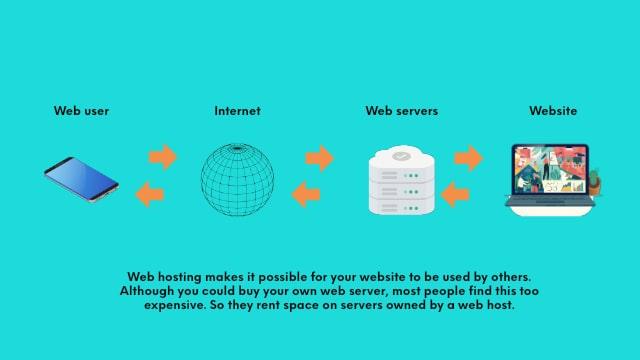
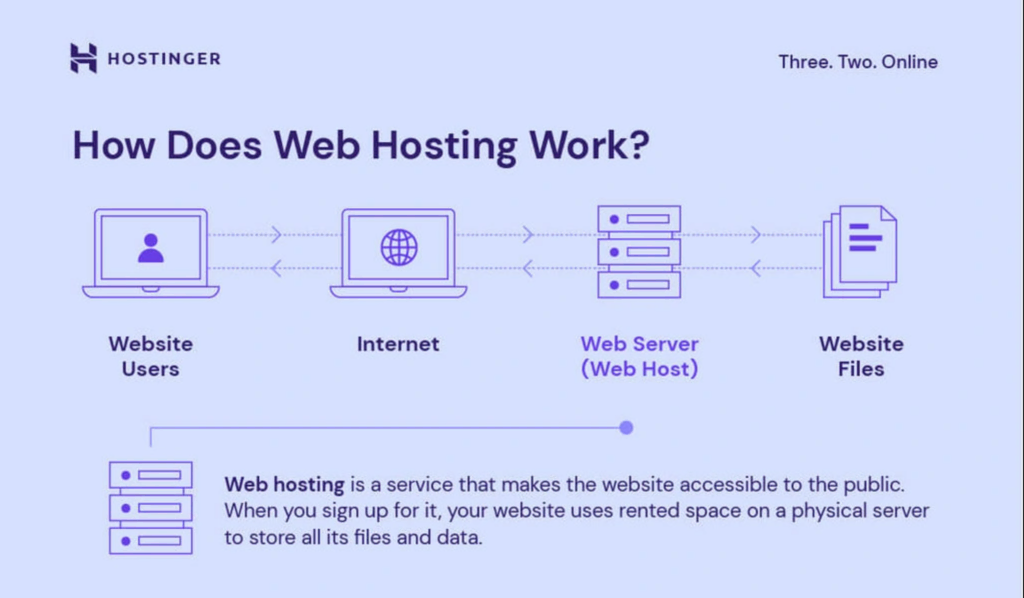
Web hosting lets people see your website. It’s like renting space online. Websites have files and images. These need a home on the internet. Web hosting provides that home. You pay for a server. This server stores your website files. The server shows your site to visitors.
There are different types of web hosting. Shared hosting is common. Many websites share one server. It’s cheaper but slower. Dedicated hosting means one server for your site. It’s faster but costs more. VPS hosting is a middle option. It offers shared space with dedicated features.
Every website needs a host. Without hosting, a site cannot be online. Choose hosting based on your needs and budget. A good host helps your site run smoothly.
Types Of Web Hosting Services
Shared hosting is cheap. Many websites share one server. It’s good for small websites. Resources like CPU and RAM are shared. This can slow your site if traffic is high. It’s easy to use. Great for beginners. No need for tech skills. Just start and run your site.
Dedicated hosting gives you a full server. No sharing with others. You get full control. Best for large websites. High traffic sites need this. It’s more costly than shared hosting. Requires tech knowledge to manage. Offers high performance and security.
VPS hosting means a virtual private server. It’s a mix of shared and dedicated hosting. You get part of a server but it feels private. It’s more secure than shared hosting. Suitable for medium-sized sites. Offers more control over settings.
Cloud hosting uses many servers. So, if one fails, others help. It’s very reliable. Perfect for growing sites. Pay only for what you use. Good for sites with traffic spikes. Easy to scale up or down. Offers flexibility and backup options.
Necessary Skills And Knowledge
A web host needs strong technical skills. Understanding server management is important. You should know how to set up and configure servers. Knowledge of web technologies is needed. This includes HTML, CSS, and basic JavaScript. Learn about domain management too. It helps in linking domains to servers.
A web host must be good with people. Helping customers is a big part of the job. Answer questions clearly and simply. Be patient when explaining things. Good communication skills are a must. They help in solving customer issues quickly. Happy customers stay longer.
Running a web hosting business needs management skills. Know how to handle finances. This includes setting prices and managing costs. Marketing skills help grow the business. Understand how to promote your services. Organization is key. Keep track of your tasks and client needs.

Credit: www.reviewhell.com
Choosing The Right Hosting Platform
Selecting a hosting platform involves understanding technical needs and business goals. Consider factors like server reliability and customer support. Begin with researching various platforms and comparing pricing options to find the best fit for your web hosting journey.
Platform Comparison
Hosting platforms differ in features and benefits. Some offer shared hosting; others offer dedicated servers. Shared hosting is cheaper but has limited resources. Dedicated hosting provides more control and resources. Cloud hosting scales easily and is flexible. Consider your needs before choosing.
Cost Considerations
Costs vary greatly between platforms. Shared hosting is often cheaper. Dedicated hosting costs more but offers better performance. Cloud hosting pricing depends on usage. Plan your budget carefully. Make sure you understand all fees involved. Look for hidden costs.
Scalability
Scalability is crucial for growing businesses. Cloud hosting is best for scaling up. It adjusts resources as needed. Dedicated servers offer scalability but require manual intervention. Shared hosting has limited scalability. Choose a platform that can grow with your needs.
Setting Up Your Web Hosting Business
Starting a web hosting business needs some legal steps. You must register your business name. Get the right licenses and permits. This keeps your business safe. Follow the laws to avoid trouble. Learn about taxes and how they affect you. This helps you plan better.
Infrastructure is key for web hosting. You need servers to host websites. Invest in reliable hardware. Choose a data center with good internet speed. This ensures fast loading times for websites. Consider software for managing accounts. This makes your work easier. You need backup solutions. This protects data from loss.
Branding helps people know your business. Create a unique logo. Choose a catchy name. This makes you memorable. Marketing brings customers. Use social media to reach people. Make a simple website. Share good content online. Tell people why your service is great. Engage with your audience. Listen to their feedback. This builds trust and grows your business.
Credit: www.godaddy.com
Managing And Growing Your Hosting Service
Finding new clients is vital. Build a strong online presence. Create a website with clear information. Use social media to reach people. Offer promotions to attract clients. Networking helps too. Meet people at tech events. Word-of-mouth is powerful. Happy clients tell others.
Keep your service fast and reliable. Regular updates improve security. Monitor server performance daily. Fix issues quickly. Provide excellent customer support. Be there when clients need help. Feedback is key. Listen to clients and improve. Happy clients stay longer.
As your business grows, expand resources. Upgrade servers when needed. Hire skilled staff to help. Automate tasks for efficiency. Plan for growth. Budget wisely for future needs. Keep an eye on trends. Adapt to changes in technology. Balance growth with quality.
Common Challenges And Solutions
Web hosting has many technical challenges. Server downtime can frustrate users. Slow loading sites cause visitors to leave. Fixing bugs can be tough. Regular updates help keep servers running well. Good security protects user data. Use monitoring tools to catch problems early. Training helps you handle issues fast.
Keeping customers is hard. Great customer service makes a big difference. Answer questions fast. Solve problems quickly. Offer discounts for long-term plans. Happy customers tell others. Build trust with clear communication. Listen to feedback and make changes.
The market is crowded. Many hosts offer similar services. Stand out with unique features. Offer affordable plans. Focus on quality and speed. Partnerships can boost visibility. Know what your competitors do. Adapt and improve your services.
Credit: www.hostinger.com
Future Trends In Web Hosting
Green hosting is about eco-friendly practices. Companies use renewable energy. This helps the planet. Green servers use less power. They aim to reduce carbon footprints. Many web hosts are now going green. They want to protect the environment. Customers love eco-friendly choices. It’s good for the world.
AI makes hosting smarter. It can handle tasks quickly. Automation saves time. It helps with updates. AI can fix problems automatically. It makes hosting easy. AI can also predict issues. This helps prevent downtime. Many hosts use AI for better service. It’s smart and fast.
Security is very important. Hosting companies improve protection. They use strong firewalls. They keep data safe. Encryption is used to protect information. Hosts add layers of security. This stops attacks. Users feel safe. Security keeps websites secure.
Frequently Asked Questions
How Do I Get Started With Web Hosting?
Choose a reliable web hosting provider. Select a suitable hosting plan. Register your domain name. Set up your website using a content management system like WordPress. Launch your website and monitor its performance regularly.
Is Web Hosting Profitable?
Web hosting can be profitable with the right strategy and efficient management. Offering quality services and competitive pricing attracts customers. Automating processes reduces costs. Building strong customer relationships enhances retention. Investing in reliable infrastructure ensures uptime. Profitability increases with scale and reputation.
How Much Does It Cost For A Website Host?
Website hosting costs vary from $3 to $300 monthly, depending on the host type and features offered. Choose shared hosting for lower costs. Dedicated servers are pricier but provide more control. Compare options to find the best fit for your budget and needs.
How Do I Make My Own Web Host?
Begin by purchasing a server and domain name. Install server software like Apache or Nginx. Set up DNS records. Configure security protocols. Ensure regular backups and monitor server performance.
Conclusion
Becoming a web host involves learning and planning. Start with understanding server basics. Choose the right hosting platform that suits your needs. Learn about domain names and registration processes. Focus on customer support skills for happy clients. Always stay updated with web trends and technologies.
Practice good security measures to protect data. Grow gradually, expanding services wisely. Remember, patience and dedication are key. Building a successful web hosting business takes time. Enjoy the journey and keep improving. Your efforts will lead to rewarding results. Good luck on your hosting journey!


