
Have you ever wondered how you could become a web host and start your own online business? The idea might seem a bit daunting at first, but it’s a path filled with exciting opportunities and the potential for lucrative rewards.
Imagine being the backbone of the internet, supporting countless websites while creating a steady stream of income. But how do you get started? What skills do you need, and what challenges might you face? In this blog post, you’ll discover the step-by-step process to become a successful web host.
We’ll demystify the technical jargon and guide you through the essentials. By the end, you’ll have a clear roadmap to kickstart your web hosting journey. Ready to unlock the secrets of the digital world? Let’s dive in!
Understanding Web Hosting
Web hosting is a service that keeps websites online. It stores all website files on special computers called servers. When someone types a website’s name in their browser, the server sends the files to them. This makes the website appear on their screen. Without web hosting, websites cannot be seen by anyone. Websites need to live somewhere, just like people need homes.
There are different kinds of web hosting. Shared hosting is when many websites share the same server. It is cheap and easy for beginners. VPS hosting offers more space and control. It is like having your own room in a shared house. Dedicated hosting gives a whole server to one website. It is powerful but costs more. Cloud hosting uses many servers to make sure websites never go down. It is flexible and can grow with the website.
Skills And Knowledge Required
Understanding of web servers is crucial. You should know how to set them up. Also, knowledge of domain registration is important. You must manage domains effectively. Basic coding skills can be very helpful. It helps in troubleshooting issues. Familiarity with database management is beneficial. It ensures data is stored correctly. Security measures are a must. Protecting websites from attacks is vital. Regular backups should be part of your routine. This keeps data safe and secure.
Understanding customer needs is key. You should listen to their concerns. Offering excellent support builds trust. Happy clients will stay longer. Knowing how to market your services helps. This attracts more clients. You should have a plan to manage finances. Keeping track of expenses is important. Setting competitive pricing is crucial. Make sure your rates are fair.
Setting Up Your Infrastructure
Picking a server is a big step. Servers are like powerful computers. They store your website. A strong server means your site works well. Think about how many visitors you expect. More visitors need more power. Look for servers with high speed and good storage. Check if you need a dedicated server. These are for only one website. Shared servers host many sites. They are cheaper but slower. Pick what fits your needs best.
Networking keeps your site online. It’s like the roads for data. A good network makes everything fast. You need a strong internet connection. Also, get a good router. Routers send data to the right place. Set up a firewall to keep your site safe. It stops bad traffic. Regular checks help keep the network strong. This keeps your site running well.
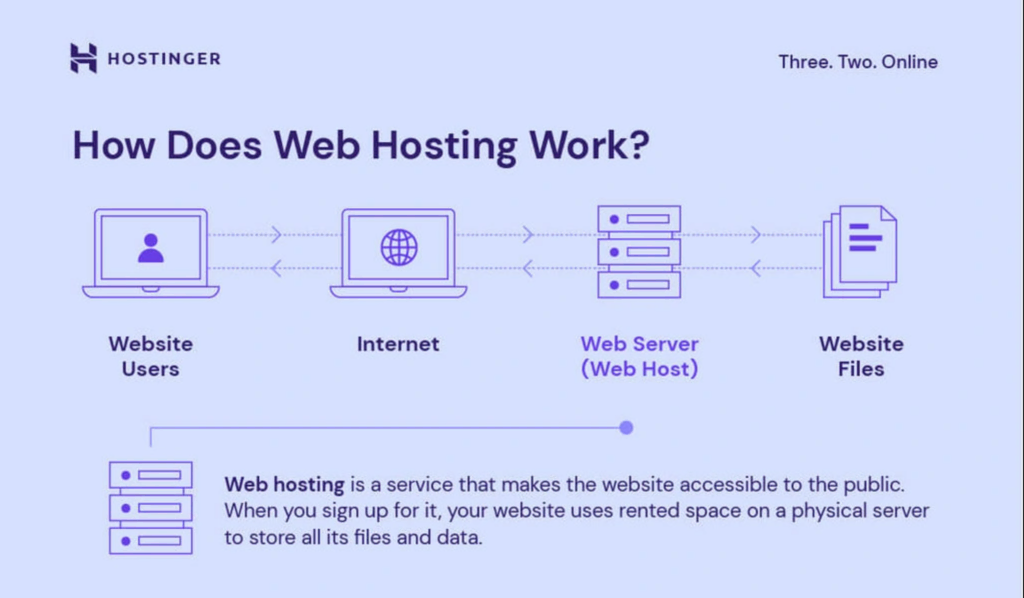
Credit: www.hostinger.com
Developing Your Hosting Packages
Setting the right price is very important. Look at what others charge for similar services. Keep your prices fair and easy to understand. Offer different plans for different needs. Basic plans for small sites and premium plans for bigger ones. Add discounts for long-term customers. This keeps them happy.
Include features that people want. 24/7 customer support is a must. Fast servers make websites load quickly. Offer backup services to save data safely. Security features like SSL are important. Make sure your plans cover these needs. Customers love reliable services.
Legal And Regulatory Considerations
Navigating legal and regulatory considerations is crucial for aspiring web hosts. Understand laws related to data protection and privacy. Comply with hosting regulations and industry standards to ensure smooth operations.
Understanding Compliance
Compliance is key for web hosting. Know the laws in your area. Research regulations on data protection. Follow rules about user privacy. Ignoring these can lead to trouble.
Web hosts need to keep data safe. Secure servers are a must. Data breaches can harm users. Trust is essential in web hosting.
Contracts And Agreements
Contracts are important for web hosts. Read every word carefully. Understand terms before signing. Clear agreements protect both sides. They help avoid disputes.
Service Level Agreements (SLAs) are common. They outline host responsibilities. SLAs should be clear. Both parties should agree on conditions. This ensures smooth operations.
Building A Brand And Online Presence
A good website is very important. Start with a simple design. Keep it clean and easy to use. Use colors that match your brand. Make sure your website works on phones and computers. Update your website often. This keeps it fresh and interesting. Add a blog to share news and tips.
Marketing helps people find your website. Use SEO to improve your search results. Choose the right keywords for your content. Add them to your pages and blog posts. Share your website on social media. This brings more visitors. Ask happy customers to share their reviews. This builds trust.
Customer Support And Service
Fast support makes customers happy. Create a phone line for help. Set up email for questions. Use live chat for quick answers. Make sure someone is always ready to help. Support should be friendly and clear. Train staff to answer well. Happy customers tell friends about good service.
Listen to customer problems carefully. Understand what they need. Respond quickly to their questions. Solve problems with patience. Use simple words they understand. Follow up after solving their problem. Ask if they need more help. Make sure they feel satisfied. Happy customers come back.

Credit: www.godaddy.com
Scaling Your Web Hosting Business
Starting a web hosting business involves understanding server management and customer support. Choose reliable hosting infrastructure. Provide excellent service. Attract clients with competitive pricing. Build trust through reliable performance.
Expanding Server Capacity
Growing your web hosting business means more users. More users need more server space. Add new servers to handle the extra load. Upgrade existing servers for better performance. Choose servers that fit your needs. Reliable servers keep users happy. Monitor server health regularly. Check for slowdowns and fix them fast.
Adding New Services
Offer more services to attract users. Domain registration is a popular choice. Email hosting can be added too. Consider providing SSL certificates for security. Backup services ensure data safety. Customer support is important. Make sure it’s available 24/7. Differentiate your services from others. This helps you stand out in the market.
Staying Competitive
Web hosting changes often. New technologies appear. Learning about these changes is key. Read blogs and articles. Join online forums. Talk with others in the field. This helps you stay updated. Try new tools and software. They can make tasks easier. Attend webinars and workshops. These can offer great insights. Keep a curious mind. It will help you grow.
Innovation is important in web hosting. Find ways to stand out. Offer unique features. Maybe faster load times. Or better customer support. Experiment with new ideas. They can set you apart. Learn from competitors. See what they are doing well. Use this knowledge. Improve your own services. Always aim to be better. This keeps your clients happy.

Credit: www.reviewhell.com
Frequently Asked Questions
How Do I Get Started With Web Hosting?
Choose a reliable web hosting provider. Select a suitable plan based on your needs. Register a domain name. Set up your website using hosting control panel tools. Ensure your site is optimized for performance and security.
Is Web Hosting Profitable?
Yes, web hosting can be profitable. It offers recurring income through subscription models. High demand for online presence boosts profitability. Successful ventures require quality service and competitive pricing. Building a loyal customer base enhances long-term gains.
How Much Does It Cost For A Website Host?
Website hosting costs range from $3 to $300 monthly, depending on features and service quality. Basic shared hosting is cheaper, while dedicated servers are expensive. Consider your needs and budget before choosing. Look for deals or discounts to save money.
Always compare plans for the best value.
How Do I Make My Own Web Host?
Start by acquiring server hardware or renting a VPS. Install web hosting software like Apache. Set up domain management, security protocols, and FTP access. Configure DNS settings. Ensure regular backups and maintenance for smooth operation. Optimize for speed and reliability to enhance user experience.
Conclusion
Becoming a web host is an achievable goal. Start with learning the basics. Understand server management and hosting types. Consider the needs of your future clients. Choose reliable software and hardware. Build a strong customer support team. Keep an eye on industry trends.
Grow your skills and stay updated. Seek feedback and improve continuously. Engage with online communities for advice. Remember, patience and persistence are key. Success won’t come overnight. Embrace challenges and learn from mistakes. With dedication, you’ll thrive in the web hosting industry.


