Are you curious about what powers your favorite website builder, WordPress? You might be wondering if Python plays a role in its magic.
Understanding the technology behind WordPress can help you make smarter choices for your own site. You’ll discover whether WordPress uses Python, what languages it relies on, and how that impacts your website’s performance and flexibility. Keep reading to get clear answers and insights that can boost your web game.

Credit: core.trac.wordpress.org
WordPress Architecture
WordPress architecture defines how this popular platform functions behind the scenes. It shapes the way websites are built, managed, and customized. Understanding the architecture helps to know what technologies WordPress uses and how it runs smoothly.
Core Technologies
WordPress mainly uses PHP as its programming language. PHP handles server-side tasks and creates dynamic web pages. It also uses MySQL or MariaDB to store and manage website data. HTML, CSS, and JavaScript work on the front end to display content and style pages. Python is not part of WordPress’s core technology stack.
Plugin And Theme Ecosystem
Plugins and themes extend WordPress’s basic features. They are mostly written in PHP, with some JavaScript for interactive elements. Plugins add new functions, such as SEO tools or contact forms. Themes control the look and layout of a website. This ecosystem allows users to customize sites without changing core code. Python is rarely used in plugins or themes.
Role Of Php In WordPress
PHP plays a central role in WordPress development. It is the main language that powers WordPress sites. PHP scripts run on the server and create dynamic web pages. This means the content can change based on user actions or other conditions. PHP helps WordPress interact with databases and deliver the right content to visitors.
Most WordPress themes and plugins are built using PHP. This makes PHP essential for customizing and extending WordPress features. Without PHP, WordPress would not be able to function as a flexible content management system.
Server-side Scripting
PHP works as a server-side scripting language. It runs on the web server and creates HTML pages for browsers. PHP code is executed before the page is sent to the user. This allows WordPress to generate pages dynamically.
Server-side scripting lets WordPress handle forms, user logins, and other interactive features. PHP processes user requests and returns the correct content. This makes websites more responsive and personalized.
Database Interaction
PHP connects WordPress to its database, usually MySQL. It sends queries to fetch, update, or delete data. This data includes posts, user info, and settings.
PHP manages data storage and retrieval smoothly. It ensures the website shows the latest content and user-specific information. This interaction is vital for WordPress to work efficiently.
Python’s Place In Web Development
Python holds a strong place in web development. It is known for its simplicity and readability. Many developers choose Python for building websites and web applications. Its clean syntax helps beginners and experts alike.
Python supports many web frameworks that speed up development. These frameworks provide tools and libraries to handle common web tasks. This makes Python a flexible option for web projects.
Popular Frameworks
Django is one of the most popular Python web frameworks. It offers built-in features like user authentication and database management. Flask is another favorite, known for being lightweight and easy to use. Both frameworks help developers create fast and secure websites.
Use Cases Compared To Php
PHP is widely used for web development, especially with WordPress. It is great for server-side scripting and content management. Python, on the other hand, shines in data-driven and complex applications. Python suits projects needing machine learning or data analysis. PHP is often simpler for basic websites, while Python handles diverse and modern needs.
Instances Of Python Usage In WordPress
WordPress is mainly built with PHP, but Python plays a role too. Python is not part of the core system. Still, developers use it in various ways around WordPress. These uses help improve site management and add new features.
Python’s versatility makes it useful for different tasks. It supports WordPress users behind the scenes. Below are some common examples of how Python fits into the WordPress world.
Third-party Integrations
Many WordPress plugins and services use Python to connect with other platforms. Python scripts help link WordPress to tools like social media, email marketing, and analytics. These connections run smoothly thanks to Python’s simple code.
Using Python, developers create bridges between WordPress and external apps. This improves how websites share data and automate updates. Python’s role here is often invisible but important.
Automation And Scripting
Python is popular for writing scripts that automate tasks. WordPress site owners use Python scripts to handle backups, content updates, and data migration. Automating these jobs saves time and reduces errors.
Python’s clear syntax makes writing automation easy. This helps maintain large WordPress sites with less effort. Python scripts can also monitor performance and send reports automatically.
Benefits Of Php Over Python For WordPress
WordPress uses PHP as its core language, not Python. PHP offers clear benefits for WordPress development. It fits perfectly with WordPress architecture. PHP powers WordPress themes, plugins, and core files. This creates a smooth and efficient environment for websites. PHP’s design matches WordPress needs better than Python.
Performance And Compatibility
PHP runs directly on web servers optimized for it. This means faster loading and better resource use. WordPress hosting providers support PHP by default. It ensures easy setup and fewer errors. PHP integrates well with MySQL databases used by WordPress. Python often needs extra tools to work with WordPress. This can slow down website speed and add complexity.
Community And Support
PHP has a large WordPress-focused community. Developers share code, tips, and fixes daily. Many plugins and themes rely on PHP knowledge. WordPress forums and tutorials mostly use PHP examples. Python support for WordPress is limited and less active. This affects problem-solving speed and resource availability. PHP’s vast community makes learning and troubleshooting easier.

Credit: core.trac.wordpress.org
Future Possibilities For Python In WordPress
Python is a popular programming language known for its simplicity and power. WordPress mainly uses PHP, but Python’s role may grow in the future. This growth depends on trends in web development and user needs.
Python offers many tools for automation, data analysis, and machine learning. These features could enhance WordPress sites. They might improve user experience and site management.
Emerging Trends
Python is gaining popularity in web development frameworks like Django and Flask. These tools show Python’s strength in building web apps. Developers may seek to combine Python with WordPress for new features.
APIs and microservices are common now. Python fits well in these areas. It can run background tasks or provide data services to WordPress sites. This trend may increase Python’s use alongside WordPress.
Potential For Hybrid Approaches
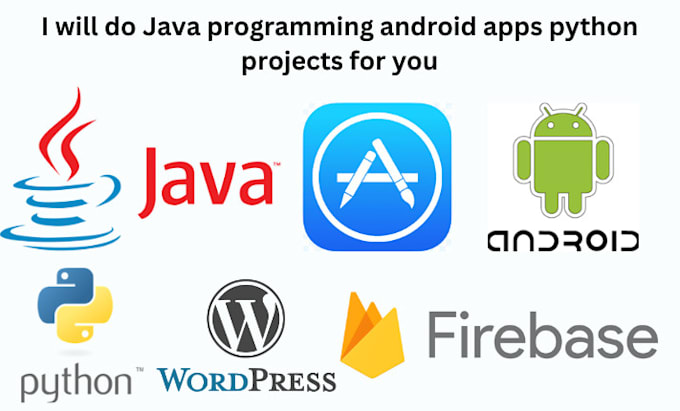
Hybrid solutions could let WordPress use Python without changing PHP core. For example, Python scripts might handle data analysis or automation tasks. WordPress would still run smoothly with PHP.
Such methods allow developers to use Python’s strengths. They can build plugins or external tools that work with WordPress. This approach keeps sites fast and flexible.
Credit: www.fiverr.com
Frequently Asked Questions
Does WordPress Use Python For Its Core Development?
No, WordPress core is primarily built with PHP, not Python. Python is not used in WordPress’s main platform or backend development.
Can Python Be Integrated With WordPress Websites?
Yes, Python can be integrated through APIs or external scripts. However, WordPress itself doesn’t natively support Python for plugins or themes.
Is Python Better Than Php For WordPress Development?
PHP is better for WordPress since it’s the platform’s native language. Python is great for other applications but not for WordPress core.
Are There WordPress Plugins Written In Python?
Most WordPress plugins are written in PHP. Python-based plugins are extremely rare due to WordPress’s PHP architecture.
Conclusion
WordPress mainly uses PHP, not Python. Python is popular but not part of WordPress core. Developers can still use Python with WordPress through APIs or scripts. This flexibility helps with data handling and automation. Knowing WordPress runs on PHP helps you choose the right tools.
Python skills can support your site but won’t build it. Understanding these details makes your web projects easier. Keep learning both languages to expand your options. The choice depends on your needs and goals.