Are you worried that your WordPress blog might disappear if you don’t update it often? You’re not alone.
Many people wonder if WordPress deletes inactive blogs and what that means for their content and efforts. Imagine losing your hard work just because you took a break—frustrating, right? You’ll discover the truth about WordPress’s policies on inactive blogs and learn exactly what you need to do to keep your site safe.
Keep reading to protect your blog and avoid any surprises.

Credit: sandersdesign.com
Inactive Blogs On WordPress
Inactive blogs on WordPress are sites that have not been updated or visited for a long time. Many bloggers start with excitement but stop posting after some time. These blogs stay online but do not get new content or visitors. WordPress hosts many such blogs. Understanding what counts as inactive helps users know what to expect.
What Counts As Inactive?
A blog is inactive if it has no new posts for months or years. No updates to pages, no comments, and no logins also mean inactivity. Visitors not engaging or reading content is another sign. WordPress does not delete blogs just because they are inactive. The blog stays live until the owner decides to remove it.
Common Reasons For Inactivity
People lose interest or get busy with other tasks. Some bloggers face technical issues or forget login details. Others may start new projects and leave old blogs behind. Life changes, like jobs or family, can slow blogging. These reasons lead to many inactive blogs on WordPress.
Credit: www.elegantthemes.com
WordPress Policies On Inactive Blogs
WordPress has clear policies about blogs that stay inactive for a long time. Many users wonder if WordPress deletes blogs that do not get updates or visits. Knowing these policies helps users keep their blogs safe and avoid surprises. WordPress focuses on user control and data safety.
Official WordPress Rules
WordPress does not delete inactive blogs on its own. Blogs remain available even without new posts or visitors. The platform stores blog content securely. Users can return anytime and resume their work. WordPress only removes blogs if they break rules or are requested for deletion by owners.
Terms Of Service Insights
The WordPress Terms of Service explain user rights and responsibilities. Users keep control over their content and account. Inactivity alone is not a reason for deletion. WordPress may suspend accounts for illegal activities or spam. Otherwise, blogs stay safe regardless of activity level.
Do Inactive Blogs Get Deleted?
Many people wonder if WordPress deletes inactive blogs. The idea causes concern for bloggers who step away from their sites. Understanding what happens to inactive blogs clears up confusion. It also helps users plan their blogging activities better.
WordPress does not delete blogs simply because they are inactive. Blogs can stay online without updates for long periods. The platform does not have an automatic system to remove inactive blogs. This means your blog remains safe even if you do not post often.
Automatic Deletion Myths
There is a common myth that WordPress deletes blogs after months of inactivity. This is not true. WordPress does not monitor blog activity for deletion purposes. Inactive blogs stay live on the platform unless manually removed. Users should not worry about losing their blogs for inactivity alone.
Manual Deletion Scenarios
Manual deletion happens only if the blog owner decides to delete it. WordPress also removes blogs that break its terms of service. Examples include spam blogs or those with illegal content. In such cases, WordPress acts to protect its users. Otherwise, inactive blogs remain untouched and accessible.
How To Keep Your Blog Safe
Keeping your WordPress blog safe is very important. It helps you avoid losing your hard work. Staying active and maintaining your blog protects it from deletion. This section shares simple ways to keep your blog secure and live.
Tips To Avoid Deletion
Use your blog regularly to show activity. Log in often and update posts or content. Back up your website data on a regular schedule. Check your email for messages from WordPress. Respond to any important alerts or warnings quickly.
Regular Maintenance Practices
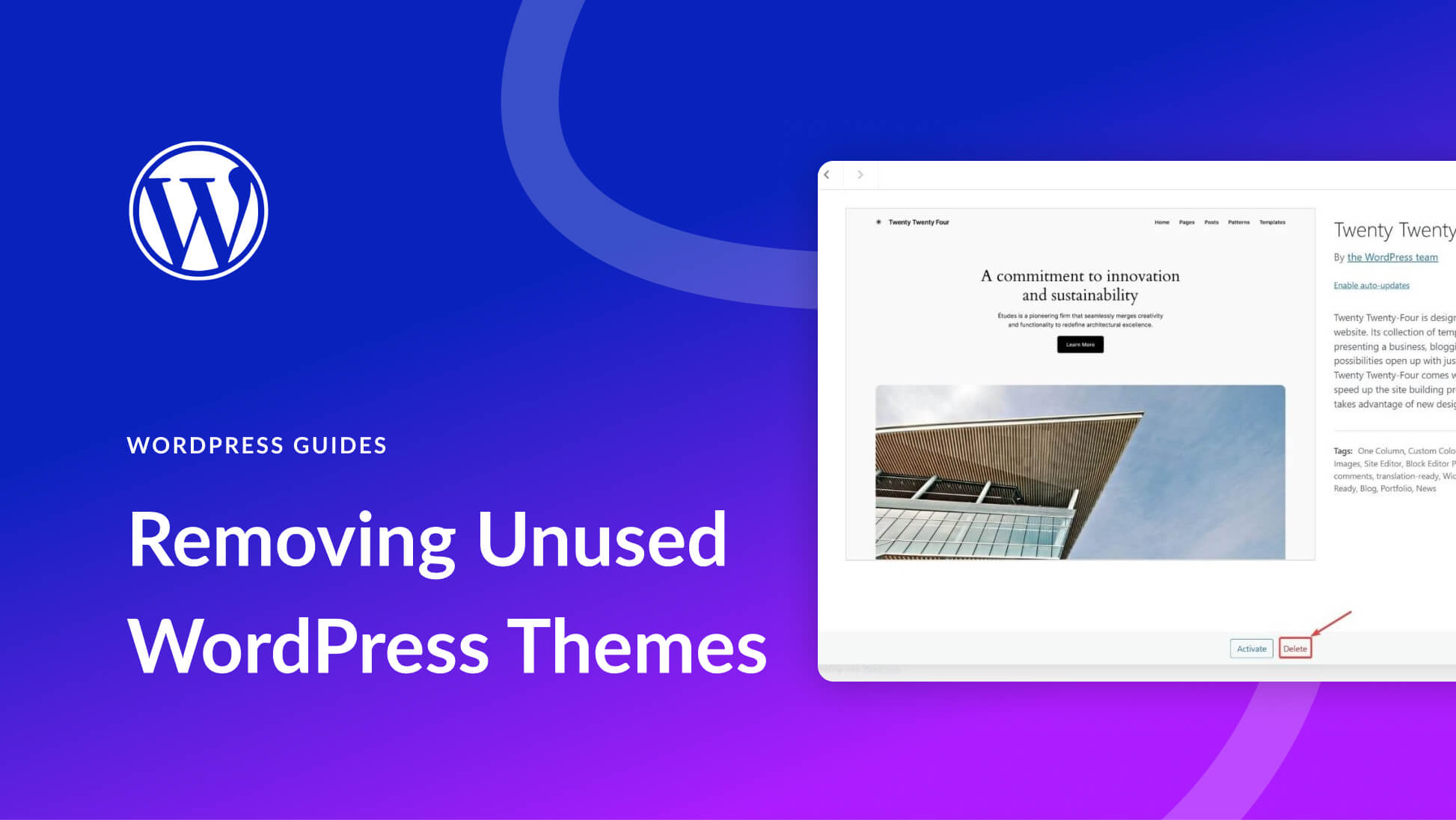
Update WordPress software and plugins to the latest versions. Remove unused themes and plugins to keep your site clean. Monitor website traffic and user engagement to stay aware. Fix broken links and errors as soon as possible. Keep your login details secure and change passwords regularly.
Alternatives To Deletion
WordPress does not always delete inactive blogs. Many users want to keep their content for future use. There are simple alternatives to deletion. These options help preserve your work without losing access.
Archiving Your Blog
Archiving saves your blog in a safe place online. It keeps your posts visible but stops new updates. Readers can still visit and read old content. Archiving is a good way to pause without losing data.
You can use plugins or WordPress tools to archive your site. This keeps your blog intact and easy to restore. Archiving also reduces the risk of accidental loss.
Transferring Ownership
Transferring ownership lets another person manage your blog. This option works if you no longer want to update it. The new owner can keep the blog alive or change its focus.
WordPress allows easy transfer of account rights. This keeps your content safe and active. Transferring ownership gives your blog a new chance to grow.
User Experiences And Case Studies
Many bloggers wonder if WordPress deletes inactive blogs. Real user experiences help answer this question. Case studies show how WordPress handles inactive sites in real situations. These stories give useful insights. They help bloggers understand the risks and what to expect.
Real Stories From Bloggers
One blogger shared that WordPress did not delete their site after months of no activity. Another user reported losing access after a long break. Some found their blogs were archived but still accessible. Many bloggers said WordPress sends warning emails before any action. These stories show that deletion is rare but possible.
Lessons Learned
Keep your blog active to avoid any problems. Regular updates signal that the site is still in use. Save your content offline as a backup. Check your email for messages from WordPress. Acting early can prevent loss of your blog. These lessons help protect your work and keep your blog safe.
Credit: www.wpbeginner.com
Frequently Asked Questions
Does WordPress Delete Inactive Blogs Automatically?
No, WordPress does not delete inactive blogs automatically. Users retain full control over their sites. However, users should regularly update and maintain their blogs to ensure security and functionality.
How Long Can A WordPress Blog Stay Inactive?
WordPress allows blogs to remain inactive indefinitely. There is no set time limit for inactivity before deletion. Users can reactivate and update their blogs anytime without losing data.
Can Inactive WordPress Blogs Affect Seo Rankings?
Inactive blogs may lose SEO value over time. Search engines prefer regularly updated content. Consistent updates help maintain and improve search rankings, attracting more visitors.
What Happens To Inactive WordPress Blogs On WordPress.com?
WordPress. com does not delete inactive blogs. However, abandoned blogs may eventually become less visible. Users should log in occasionally to keep their accounts active and secure.
Conclusion
WordPress does not delete inactive blogs by itself. Your site stays online unless you remove it or break the rules. Inactivity alone won’t make WordPress erase your blog. Still, keeping your blog updated helps with security and visitors. You control your blog’s future, so plan what suits you best.
Want to keep your content safe? Back it up often. That way, you avoid surprises and stay in charge.