
Imagine you’ve just created a stunning website. You’ve poured your heart and soul into every pixel and paragraph.
Now, you’re ready to share it with the world. But there’s a nagging question at the back of your mind: “Does web hosting give copyright permissions? ” It’s a crucial query that could impact your online presence and peace of mind.
You might assume that once you choose a web hosting service, you’re all set to display any content you wish. But, is that really the case? The lines between hosting services and copyright permissions can be blurry, leading to potential legal pitfalls if misunderstood. Understanding this relationship is key to safeguarding your creative work and ensuring your website operates smoothly without unexpected legal challenges. We’ll unravel the mystery behind web hosting and copyright permissions. You’ll discover the essential facts you need to know to protect your website and content. Whether you’re a blogger, a business owner, or a creative professional, this information is crucial for your digital success. Dive in and equip yourself with the knowledge to navigate the web hosting landscape confidently and legally.
Web Hosting Basics
Web hosting services do not provide copyright permissions. Users must secure their own rights for content. Hosting companies focus on storing and managing website data.
What Is Web Hosting?
Web hosting keeps websites on the internet. It stores data like images and text. Hosting companies provide servers. These servers connect websites to the internet. People can visit these websites anytime.
How Web Hosting Works
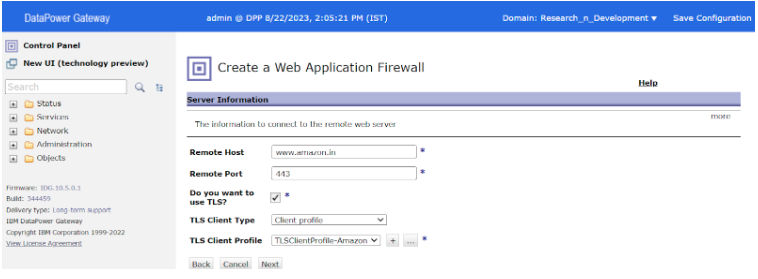
Web hosting uses powerful computers called servers. Servers store website files. When someone types a web address, the server sends data. This shows the website on their screen. Hosting companies have many servers. They make sure websites are always online.
Credit: pronteff.com
Copyright Fundamentals
Copyright law protects original works. It applies to books, music, and art. The creator gets certain rights. These rights stop others from using their work without permission. Web hosting does not give these rights. Hosting is just a service. It keeps websites online.
Copyright is automatic. Once you create something, it’s protected. You don’t need to register it. But registering helps if you need to prove ownership. Only the creator or owner can allow others to use their work. Sharing your work online does not change this.
Copyright gives several important rights. The right to reproduce the work is key. Only the owner can make copies. There is also the right to distribute. This means selling or giving away copies. Owners can also display or perform their work publicly. Another right is to make derivative works. This means creating something new based on the original. These rights help protect the creator’s interests.
Role Of Web Hosting In Copyright
Web hosting does not give copyright permissions. Copyright belongs to the creator of the content. Hosting companies store the content on their servers. They do not own the content. Users are responsible for their own content. Content creators need to understand their rights. Copyright laws protect these rights. Hosting companies have rules. They want to avoid copyright issues. Users must follow these rules. Copyright is important for all creators.
Hosting providers have some responsibilities. They must keep content safe. They offer security for stored data. Providers must follow legal rules. They act on complaints about copyright. They can remove infringing content. Providers help stop copyright violations. They need to communicate with users. Clear rules are important. They guide users about copyright. Hosting providers do not give copyright permissions.

Credit: www.facebook.com
Common Misconceptions
Many believe web hosting gives copyright permissions. This is a myth. Web hosting is about storing your website files. It doesn’t give you rights to the content. Copyright is a legal right. It protects your original creations. Hosting companies do not own your content. They only provide space for it. You must own the copyright. Hosting doesn’t change this.
People think hosting grants automatic permissions. This is wrong. Permissions must be given by the copyright owner. Hosting can’t do this. If you use someone else’s work, ask for permission. Without permission, you may face legal issues. Always check copyright rules before using content. Hosting providers help store data. They don’t offer legal rights.
Legal Implications
Web hosting does not grant copyright permissions. Users must be aware. Using copyrighted content without permission is risky. It can lead to legal problems. Hosting platforms do not protect against copyright claims. Users should check content rights before using it. Failure to do so may result in fines or lawsuits. Always verify the source and rights of your content.
Website owners must protect their own content. Copyright registration helps secure rights. It prevents unauthorized use by others. Owners can take legal action if their content is stolen. Always watermark original images or use copyright symbols. This shows ownership and helps in disputes. Sharing content with clear copyright notice is essential. This informs others about ownership.
Credit: www.akeeba.com
Best Practices For Copyright Compliance
Pick a hosting provider that values copyright laws. Look for one that has a good track record in protecting content. They should offer tools to manage and report copyright issues. Research their policies on handling infringements. It helps to have clear guidelines from the start.
Always use content that you have permission for. Check if images or text have a license for use. Avoid using content from sites that don’t clarify ownership. It’s important to respect original creators. This helps in maintaining trust and legality. Keep records of permissions received.
Frequently Asked Questions
Can Web Sites Receive Copyright Protection?
Yes, websites can receive copyright protection. Copyright covers the original content, design, and code. It safeguards against unauthorized use or duplication. Ensure your website is unique and original to qualify for protection. Registering your copyright enhances legal enforcement options.
Can I Just Put A Copyright Symbol On My Website?
Yes, you can place a copyright symbol on your website. It’s advisable to also include a copyright notice with the year and your name or business. This informs visitors that the content is protected. To ensure legal protection, consider registering your copyright with the appropriate government agency.
Do I Need A Copyright Notice On My Website?
A copyright notice isn’t legally required, but it’s recommended. It informs users of your ownership rights. Include the copyright symbol, year, and your name or business. It helps protect your content and can deter unauthorized use. Displaying it prominently on your website boosts credibility and professionalism.
Who Owns The Copyright Of A Website?
The website’s creator, often the designer or developer, initially owns the copyright. Ownership may transfer through a contract. Businesses usually own their website’s copyright if developed in-house or by contracted work. Always review contracts and agreements for specific ownership rights.
Conclusion
Web hosting doesn’t grant copyright permissions. It simply provides server space. Content creators hold the rights to their work. Hosting companies just facilitate online presence. Understand your hosting terms clearly. Ensure your content complies with copyright laws. Seek legal advice when in doubt.
Protect your creative work actively. Use copyright notices where needed. Stay informed about digital rights. This ensures your work remains protected online. Choosing the right hosting is crucial. But remember, copyright is your responsibility. Always prioritize safeguarding your intellectual property.


