
Have you ever thought about hosting your own website right from home? It sounds like a great idea—having complete control over your web presence without relying on third-party services.
But here’s the catch: does your Internet Service Provider (ISP) allow web hosting? You might think it’s as simple as setting up a server and hitting “go,” but your ISP could have different plans. Understanding the policies and limitations your ISP might impose is crucial before you dive into the world of self-hosting.
We’ll unravel the mystery surrounding ISP regulations and web hosting, helping you make informed decisions. Keep reading to discover whether your ISP is the green light or the roadblock on your path to becoming your own web host.
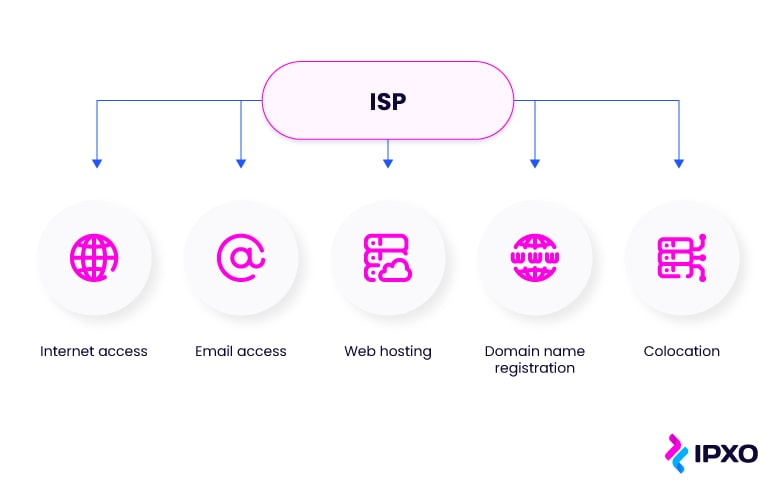
Credit: www.ipxo.com
Isp Policies On Web Hosting
ISPs often have rules about web hosting. Some ISPs may not allow it. It’s important to check your ISP’s terms and conditions. These will explain what you can and cannot do. Many ISPs offer limited bandwidth for hosting. This means your site may slow down if many people visit. Some ISPs may charge extra fees for hosting. It’s good to know these costs upfront.
There are ISPs that provide special packages for web hosting. These packages include more bandwidth and storage. They might also offer better support for your site. Always contact your ISP for more details. This ensures your web hosting needs are met. Understanding your ISP’s policy helps avoid any surprises.
Checking Your Isp Agreement
Many people wonder if they can host websites at home. Your ISP agreement holds the answer. Read the terms of service carefully. Some ISPs do not allow web hosting. They might block certain ports. This can stop your server from working.
Check for any extra fees. Some ISPs charge more for hosting. You might need a special plan. Contact your ISP for details. They can explain if hosting is allowed.
Always follow the rules in the agreement. Violating them can lead to issues. Your internet could get slower. Or they might cut it off. Stay informed and host responsibly.
Bandwidth And Speed Considerations
Your internet speed matters for web hosting. High speed is good for quick loading. Bandwidth is the amount of data you use. More visitors need more bandwidth. Slow speed means slow websites. This can make visitors unhappy. Check if your ISP gives enough bandwidth. Some ISPs limit bandwidth. This affects how many people visit your site. Unlimited bandwidth is best for busy sites. Hosting needs stable internet. Ask your ISP about speed and limits. This helps in planning web hosting. Better speed means better hosting.
Technical Requirements For Hosting
Your computer must be on 24/7 to host a website. A reliable power supply is needed. Internet speed should be fast. A static IP address is best for hosting. Dynamic IP can change often. This might cause problems. Hosting needs enough RAM and storage space. More visitors need more resources. Think about bandwidth limits too. Some ISPs may limit data use. Extra charges can apply. Check your ISP’s terms. Make sure your computer has security software. Hackers might try to attack. Protect your data always. A firewall can help keep threats away.
Ensure your system has backup solutions. Data loss is bad. Backups keep your site safe. Consider using cloud storage for this. It’s a good idea. Lastly, verify your computer’s hardware. Old computers might struggle. Hosting needs a strong system.
Alternative Hosting Solutions
Shared hosting is like sharing a room. Many websites stay on one server. It is cheap and easy. You share server resources with others. This means less control and less power. It is good for small websites. Many people start with shared hosting. Companies manage the server for you. You do not need to worry about technical stuff.
Virtual Private Servers give more control. Imagine having your own room in a big house. VPS is more powerful than shared hosting. You still share a server. But you get your own space. It is best for medium-sized websites. You can install software you like. More responsibility for you. But also more flexibility.
Dedicated servers are like owning a house. You have a whole server to yourself. No sharing with others. It is very powerful and secure. Best for big websites with heavy traffic. You have full control. But it’s also more expensive. You need to manage everything. It is a good choice for businesses. They need reliable performance.

Credit: www.zenarmor.com
Legal And Security Implications
Web hosting at home might have legal issues. Some ISPs have rules. They may not allow hosting. Security risks can also be a problem. Hackers might try to enter your network. Important files can be stolen. Your data must stay safe. Using a strong firewall helps. Keeping software updated is wise. Legal advice might be needed. This ensures compliance with laws. Your ISP can provide information. Knowing their policies is crucial.
Contacting Your Isp For Clarification
Understanding if your ISP allows web hosting can be tricky. Contact your ISP directly. Ask them about their policies. Many ISPs may not allow hosting. Others might have specific rules. Read your ISP’s terms. Check for any hosting restrictions. Some ISPs charge extra for hosting. Customer service can help. Ask them clear questions. Make sure to get all details. Look for any hidden fees. Sometimes, hosting has extra costs. If you don’t understand something, ask again. Clear communication is key. Ensure you know what you’re allowed to do.

Credit: www.hostinger.com
Advantages And Disadvantages Of Hosting At Home
Hosting at home can save money. No monthly fees for server space. You use your own computer and internet. This can be cost-effective for small sites. But consider electricity costs. Computers need power 24/7. This adds to your bills. Saving money is good, but count all costs.
You have full control of your server. Change settings as you wish. Install any software you need. This gives you flexibility. Your server, your rules. But it requires knowledge. You must learn how to manage it. Some tasks can be hard for beginners. Flexibility comes with responsibility.
Hosting at home has risks. Security is a big concern. Hackers can target home servers. Keeping data safe is hard work. Your internet might be slow. This affects how fast your site loads. Also, power cuts can cause downtime. Risks are real and can affect your site.
Frequently Asked Questions
Do Isps Host Websites?
Yes, some ISPs offer website hosting services. They provide server space and necessary infrastructure. Not all ISPs host websites, so check with your provider. It’s vital to understand their hosting features and limitations. Consider other specialized web hosting services for more options.
Can I Host A Website On My Home Network?
Yes, you can host a website on your home network using your computer as a server. Ensure stable internet, configure your router for port forwarding, and install server software. Consider security risks and bandwidth limitations. Using a hosting provider offers better reliability, security, and uptime for your website.
Can My Isp See My Web Traffic?
Yes, your ISP can see your web traffic. They monitor your browsing activity and collect data. Using a VPN can help encrypt your internet traffic, making it difficult for your ISP to track your online activities. Always ensure your internet connection is secure for maximum privacy.
Can I Host My Website On My Own Server?
Yes, you can host your website on your own server. Ensure you have reliable hardware and a stable internet connection. Managing server security, software updates, and backups is crucial. Consider the costs and technical expertise required for server maintenance.
Conclusion
Exploring your ISP’s policy on web hosting is crucial. It helps in understanding any restrictions or limitations. Some ISPs allow web hosting, while others don’t. Know what your ISP offers to avoid surprises. Consider alternatives like third-party hosting services if needed.
They provide more flexibility. Always read terms and conditions carefully. This ensures you make informed decisions. Choose a solution that suits your needs best. It’s important for your website’s success. Happy hosting!


