
Switching web hosting services can be a daunting task, especially when it comes to understanding the impact on your webmail. You’re not alone if you’re wondering, “Does changing web hosting affect webmail?”
This is a critical question, especially if your business relies heavily on email communications. The last thing you want is to lose access to important emails or face downtime during the transition. We will dive deep into how web hosting changes can affect your webmail and what you can do to ensure a smooth switch.
By the end, you’ll know exactly what steps to take to protect your email services, ensuring you never miss a beat. Curious to find out more? Let’s unravel the mystery together.
Impact On Webmail Access
Changing web hosting can disrupt webmail access temporarily. Email settings might require updates to ensure smooth functionality. Proper configuration helps maintain seamless communication without losing important emails.
Login Credentials Changes
Changing your web hosting can affect your webmail login credentials. You might need new usernames or passwords. These changes ensure your email security. Your hosting provider will give you the new details. It’s important to keep this information safe. Always update your records to avoid login issues. Forgetting can cause problems accessing your email.
Accessing Webmail Interfaces
Different hosting providers use different webmail interfaces. You may encounter new layouts or features. Adapting to these changes is usually simple. The basic functions remain similar. Check with your hosting provider for any special instructions. Getting familiar with the new interface takes a little time. Practice will make it easier to navigate. Soon, you’ll manage your emails smoothly.
Credit: www.drivehq.com
Email Data Migration
Transferring email archives needs care. Email archives contain important messages and attachments. Always back up these before starting. Use reliable tools for transferring. Some hosting providers offer automatic migration. Others may need manual steps. Check your new hosting’s support. They might help with the process. Ensure all emails transfer completely. Missing emails can cause problems.
Backing up emails is crucial. Use backup tools to save data safely. Many hosting services have backup options. Make sure to follow their steps. After backup, restore emails on new hosting. This ensures no data loss. Follow restore guidelines to avoid errors. Double-check all emails after restore. This confirms everything is in place. Always keep backups for safety.
Dns And Mx Records
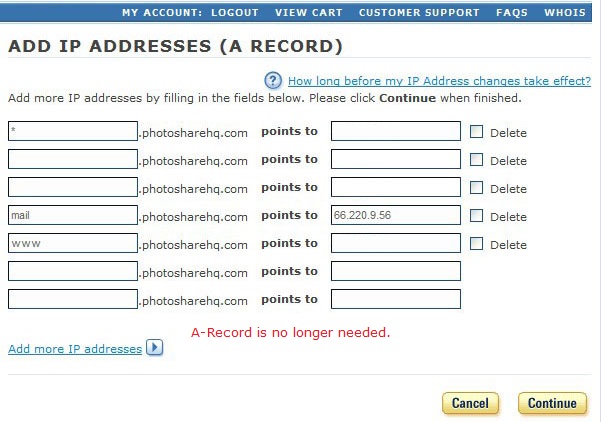
Changing web hosting can affect your webmail. DNS settings play a big role. Make sure DNS settings point to the correct server. Incorrect settings can cause email problems. You might not receive emails. Check DNS settings carefully. Ensure everything is correct. This step is important for webmail.
MX Records handle email routing. They need proper configuration. Update MX Records when changing hosting. Point them to the right server. Wrong MX Records mean lost emails. Check the MX details carefully. Correct MX Records ensure smooth email delivery. This keeps your webmail working well.
Potential Downtime
Switching web hosting might cause webmail downtime. Email services can pause. During this time, emails might not send or receive. This can be a worry for businesses. Losing emails can mean losing important messages. Downtime can cause stress. People might miss urgent updates. It’s important to plan the switch well. Good planning can help reduce these risks.
Planning ahead can help. Choose the right time for the switch. Late nights or weekends might be better. Tell your users about the change. Let them know what to expect. Keep a backup of important emails. This way, you won’t lose any important data. A good backup plan can save the day. Test everything after the switch. Ensure emails work smoothly. This helps catch any problems early.
Performance And Reliability
Changing web hosting can affect speed. A fast server boosts website performance. Slow servers can make your site lag. Uptime is crucial. It means your site is always available. Reliable hosts offer high uptime. They ensure your site is online. A good host guarantees speed and uptime. Choose wisely for a smooth experience.
Email reliability matters. A stable host keeps email service consistent. Switching hosts might disrupt emails. Important emails might get lost. A reliable host secures email flow. Choose hosts that prioritize email safety. This ensures messages reach on time. Stability in email service is key.
Credit: support.google.com
Security Implications
SSL Certificates are very important for security. They keep data safe. When you change web hosting, your SSL may need updating. This ensures your site stays secure. Without it, data can be at risk. Hackers could steal information easily. Renew your SSL on time. This keeps your site safe and trusted.
Data protection is vital for webmail security. Changing web hosts can affect data safety. New settings might need checking. Always ensure protection measures are in place. Update passwords regularly. Use strong and unique passwords. Keep software updated. This guards against threats and breaches.
Choosing The Right Host
Picking the best host is very important. Think about the cost and the services they offer. Some hosts give better email support than others. Look for plans that fit your needs. Don’t forget to check the uptime. A good host will keep your website online almost all the time.
| Feature | Host A | Host B |
|---|---|---|
| Email Support | 24/7 | Business Hours |
| Storage | 50GB | 100GB |
| Uptime | 99.9% | 99.5% |

Credit: m.facebook.com
Frequently Asked Questions
Does Changing Hosting Affect Email?
Changing hosting can affect email if your email service is tied to the hosting provider. Ensure DNS settings are updated correctly to avoid email disruptions. Consider using a separate email provider for uninterrupted email access. Always back up your emails before making hosting changes to prevent data loss.
How Do I Transfer Webmail To Another Host?
To transfer webmail, backup emails using your current host’s export option. Set up accounts on the new host. Import the emails to the new host using their import feature. Update DNS records to point to the new server. Check email functionality post-transfer to ensure everything is working correctly.
Will Changing Dns Affect Email?
Changing DNS can affect email delivery if the MX records aren’t updated correctly. Ensure MX records point to the right mail server to prevent disruptions. Always check settings carefully before making DNS changes to avoid issues with email functionality.
Is Web Hosting The Same As Email Hosting?
Web hosting and email hosting are different services. Web hosting stores website files for online access. Email hosting manages email servers and accounts for sending and receiving emails. Both services can be offered together, but they serve distinct functions.
Conclusion
Changing web hosting can impact your webmail settings. It’s crucial to check email configurations. Verify server settings and email protocols. Update DNS records if needed. Keep your login credentials handy. Regular backups ensure data safety. Consult your hosting provider for guidance.
Many offer helpful support for transitions. Plan your move to avoid disruptions. Smooth transitions minimize downtime and email issues. Stay informed about potential changes. Good preparation leads to seamless email operations. Always prioritize security and data integrity. Reliable hosting enhances your webmail experience.


