
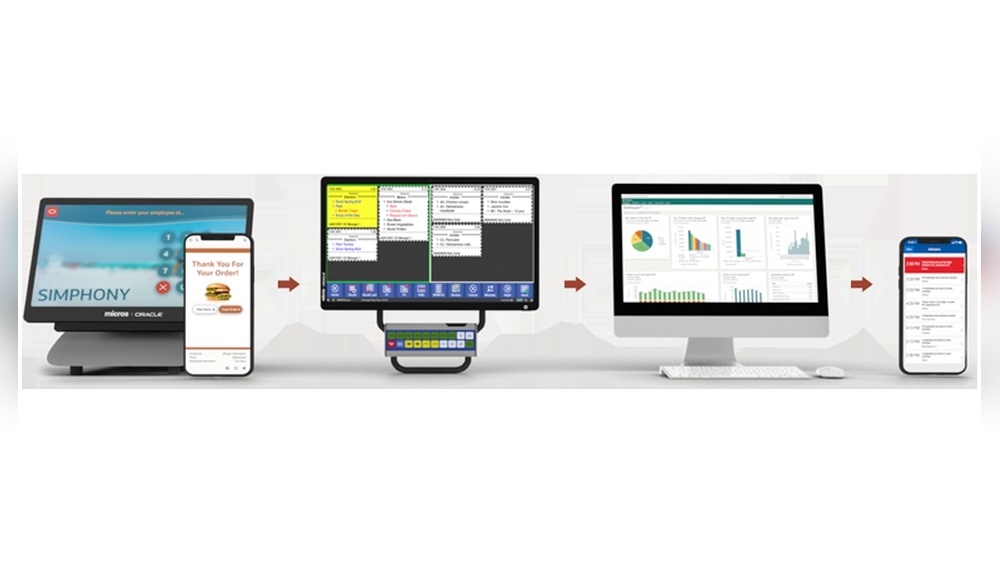
Are you wondering if analytics can truly make sense of the data from your Point of Sale (POS) system? Imagine unlocking hidden patterns in your sales, inventory, and customer behavior that could transform how you run your business.
Your POS data holds powerful insights—but only if you know how to analyze it effectively. You’ll discover how analytics can turn raw transaction numbers into smart decisions, helping you boost sales, optimize inventory, and tailor marketing efforts. Keep reading to learn how tapping into your POS data with analytics can give you a clear edge over the competition.
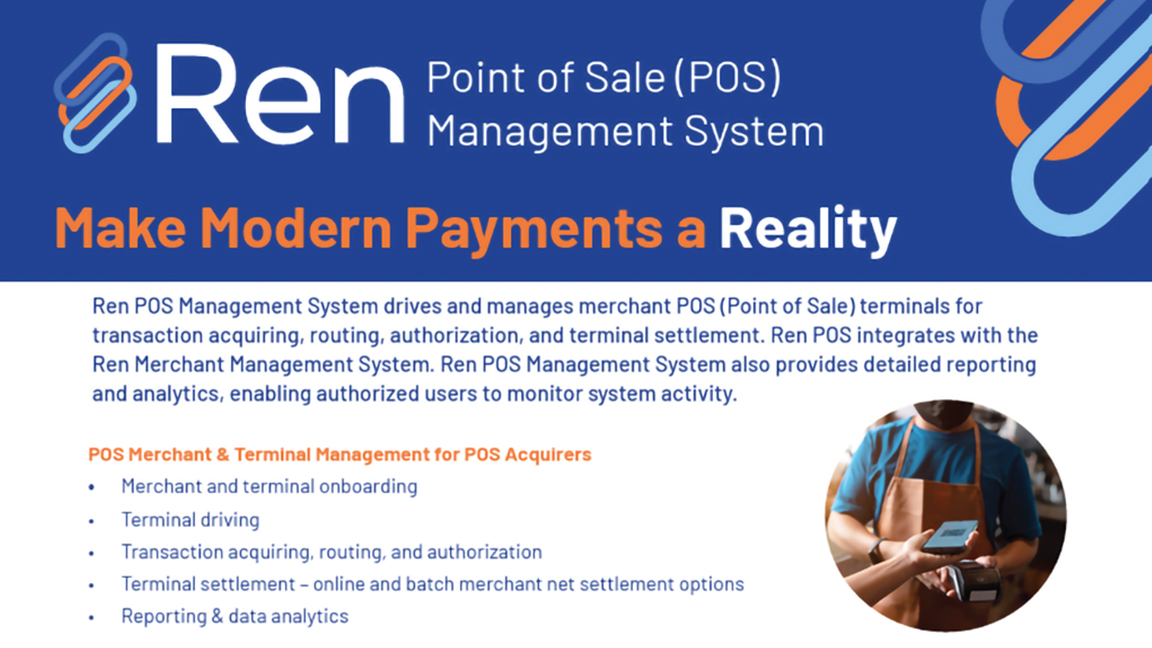
Credit: euronetsoftware.com
Pos Data Analysis Essentials
Analyzing data from a Point of Sale (POS) system is essential for understanding business performance. POS data analysis helps reveal insights about sales, inventory, and customer behavior. This process turns raw data into valuable information. Business owners can make smarter decisions and improve operations. Accurate analysis depends on knowing the key data types and spotting important patterns.
Key Data Types
POS systems collect many kinds of data. Sales data shows what items customers buy and when. Inventory data tracks stock levels and product availability. Payment data reveals how customers pay, whether by cash, card, or mobile. Customer data may include loyalty details and purchase history. Each type offers a unique view of business health. Combining these data types creates a full picture of sales and operations.
Patterns And Trends
Identifying patterns in POS data uncovers useful trends. For example, sales volume often changes by time of day or day of week. Some products sell better during certain seasons or promotions. Trends in payment methods can suggest customer preferences. Tracking repeat customers shows loyalty levels. Recognizing these patterns helps businesses plan inventory and marketing. It also supports forecasting future sales and adapting to market changes.
Value Of Pos Analytics
Point of Sale (POS) analytics offers valuable insights that help businesses make smarter decisions. It transforms raw sales data into clear information. This information highlights customer habits, sales trends, and stock levels. Using POS analytics, businesses can improve operations and increase profits. Understanding the value of POS analytics is key to using it effectively.
Customer Behavior Insights
POS analytics tracks what customers buy and when. It shows which products are popular and which are not. Businesses can see buying patterns and preferences easily. This helps in tailoring offers and promotions to customer needs. Understanding customer behavior leads to better service and higher satisfaction.
Sales Performance Metrics
POS data reveals detailed sales numbers. It shows peak sales hours and top-selling items. Businesses can measure staff performance through sales reports. These metrics help in setting realistic goals and improving sales strategies. Clear sales data supports quick, informed decisions.
Inventory Optimization
POS analytics monitors stock levels and turnover rates. It helps identify slow-moving and fast-selling products. Businesses can reduce waste by ordering the right amount of stock. Optimized inventory avoids shortages and overstock situations. This saves money and keeps customers happy with product availability.
Business Benefits
Analyzing data from a Point of Sale (POS) solution offers many business benefits. It helps companies improve sales, marketing, and market response. Using data insights leads to smarter decisions and better results.
Boosting Sales
POS analytics reveal which products sell best and when. Businesses can focus on popular items and reduce slow-moving stock. Identifying peak sales times helps staff scheduling and inventory planning. This improves customer service and increases revenue.
Smarter Marketing Strategies
Data from POS systems shows customer buying habits clearly. This allows businesses to create targeted promotions and personalized offers. Understanding what customers want increases campaign success. Marketing budgets are used more efficiently with precise targeting.
Proactive Market Adaptation
POS data uncovers new trends and changing customer preferences fast. Businesses can adjust product lines or prices quickly. Early response to market shifts helps stay ahead of competitors. Being proactive means seizing new opportunities before others do.
Credit: www.databricks.com
Getting Started With Pos Analytics
Getting started with POS analytics involves a clear plan and careful steps. This process turns raw sales data into valuable insights. These insights help improve store performance and customer satisfaction.
POS analytics uses data from sales transactions to find patterns and trends. Understanding these trends guides better business decisions. Start by focusing on key steps that simplify analysis and ensure useful results.
Setting Clear Objectives
Begin by defining what you want from POS data. Decide if the goal is to track sales, monitor inventory, or study customer behavior. Clear objectives keep analysis focused and relevant. They help choose the right data and tools.
Data Collection And Cleaning
Gather sales data from your POS system regularly. Ensure data includes details like items sold, time, and payment type. Clean data by fixing errors and removing duplicates. Clean data improves accuracy and trust in your reports.
Trend Analysis Techniques
Use simple methods like comparing sales over time to spot trends. Identify peak hours, best-selling products, and seasonal changes. Visual charts help see patterns quickly. This step reveals opportunities and challenges clearly.
Contextual Interpretation
Look beyond numbers to understand the reasons behind trends. Consider factors like promotions, holidays, or weather. Context helps explain unusual sales spikes or drops. This understanding leads to smarter decisions.
Implementing Insights
Put your findings into action by adjusting inventory or sales strategies. Use data to improve product placement or staff scheduling. Track results to see if changes boost performance. Continuous improvement keeps your business competitive.
Tools And Solutions
Choosing the right tools and solutions is key to analyzing data from your Point of Sale (POS) system. These tools help turn raw sales data into clear, useful reports. They support better decisions and improve business results. Various options exist, from cloud platforms to specialized software and e-commerce integrations. Each serves a unique role in capturing and analyzing sales data effectively.
Cloud-based Platforms
Cloud-based platforms offer flexible access to POS data anytime and anywhere. They store data securely on remote servers, reducing the need for local hardware. These platforms often include built-in analytics features to track sales trends and customer behavior. Updates and maintenance happen automatically, ensuring tools stay current. Small and large businesses benefit from their scalability and ease of use.
Industry-specific Tools
Industry-specific tools tailor analytics to meet unique business needs. Retail, food service, and hospitality sectors use specialized solutions for detailed insights. These tools analyze sales patterns, inventory turnover, and customer preferences relevant to the industry. They help spot opportunities and challenges specific to the market. Using targeted analytics can improve operational efficiency and customer satisfaction.
Integration With E-commerce
Integrating POS data with e-commerce platforms creates a complete sales overview. This connection combines in-store and online transactions for better understanding. Businesses track product performance across channels and manage inventory seamlessly. Integration supports unified marketing strategies and personalized customer experiences. It helps businesses stay competitive in a growing digital marketplace.
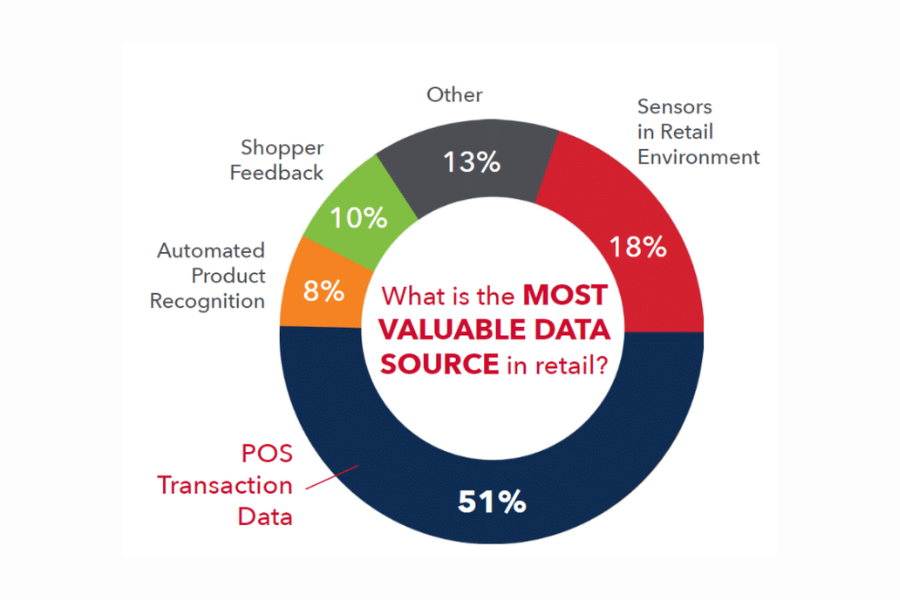
Credit: www.connectpos.com
Real-world Applications
Analytics reporting on data from Point of Sale (POS) solutions plays a vital role across many industries. It helps businesses turn raw sales data into clear insights. These insights guide smarter decisions and improve operations. Below are real-world uses of POS analytics in different sectors.
Retail Sector
Retailers use POS analytics to track product sales in real time. They spot top-selling items and adjust stock levels quickly. This reduces out-of-stock issues and lowers excess inventory. Analytics also reveal customer buying trends. Retailers tailor promotions to match customer preferences. Staff performance can be monitored to improve service quality. Sales data helps stores plan better layouts and optimize product placement. These insights boost sales and enhance the shopping experience.
Hospitality Industry
Restaurants and hotels analyze POS data to improve guest experiences. They track which menu items sell best at different times. This helps adjust menus and reduce food waste. Analytics show peak hours, guiding staff scheduling. Hotels use sales data to enhance service and upsell offers. Customer preferences become clearer, allowing personalized promotions. Monitoring payment methods speeds up checkouts. Overall, POS analytics streamline operations and raise customer satisfaction.
Consumer Packaged Goods
Companies in consumer packaged goods use POS data to monitor product performance across stores. They identify which products sell fast and which do not. This helps in managing production and distribution efficiently. Analytics reveal seasonal buying patterns and regional preferences. Marketers design campaigns based on real sales data. Retail partnerships improve through shared insights. The data supports better forecasting and reduces lost sales. It also helps in launching new products with informed strategies.
Frequently Asked Questions
How To Analyze Pos Data?
To analyze POS data, collect and clean sales and inventory data. Identify trends in transactions and customer behavior. Interpret insights to improve inventory, marketing, and sales strategies. Monitor results to optimize business decisions continuously.
Can Analytics Be Addressed By The Sales Functionality Of The Pos?
Yes, sales functionality in POS systems provides analytics by tracking transactions, inventory, and customer behavior. It reveals sales trends and product performance.
Can You Trace A Pos Transaction?
Yes, you can trace a POS transaction by reviewing its timestamp, items sold, payment method, and transaction ID in the sales system.
How To Get Data From Pos Machine?
Connect your POS machine to its software or cloud platform. Export data via built-in reports or API access. Use compatible tools to analyze sales and inventory.
Conclusion
Analytics can effectively report on data from point of sale solutions. It reveals sales trends, customer habits, and inventory status. Businesses gain clear insights to improve operations and sales. Using analytics helps spot top products and slow movers. It also supports smarter marketing and better stock management.
Regularly reviewing POS data keeps businesses responsive to changes. Embracing analytics leads to more informed, confident decisions. Start simple, focus on key goals, and act on findings. This approach makes POS data a powerful tool for growth.


