
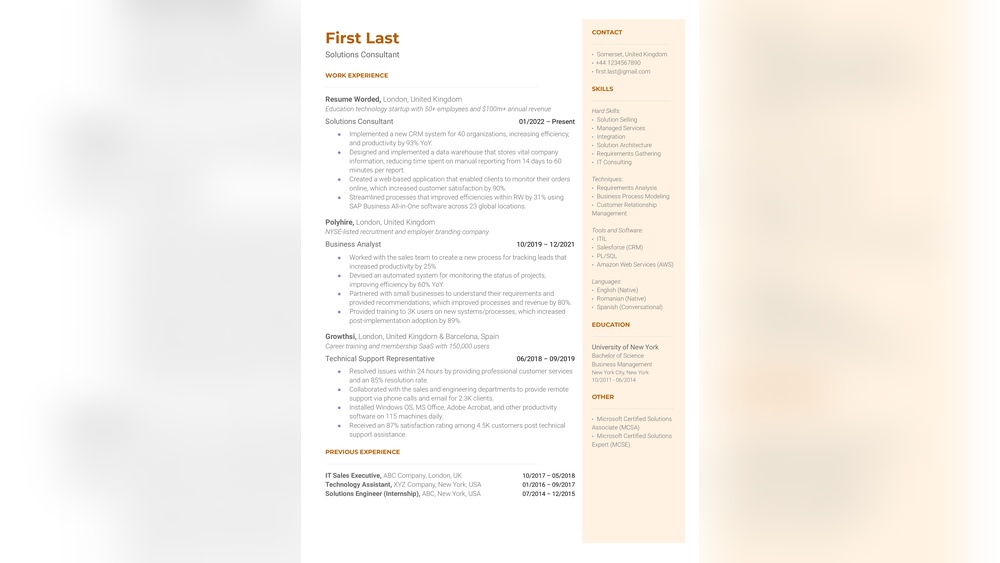
Are you wondering if solutions consultants are actually sales people? It’s a question many professionals ask because the roles often seem to overlap.
You might think solutions consultants just provide expert advice, but they also play a key part in winning deals. Understanding where their responsibilities end and sales begin can help you work better with them or decide if this career fits you.
Keep reading to discover the real role of solutions consultants and how they connect with sales teams. This insight will change how you see their impact on business success.
Role Of Solutions Consultants
The role of Solutions Consultants blends technical knowledge with sales support. They guide customers through complex products and services. Their work helps clients find the best solutions for their needs. Solutions Consultants act as a bridge between the sales team and the customer.
Core Responsibilities
Solutions Consultants analyze customer problems and requirements. They design tailored solutions that meet specific business needs. They demonstrate product features clearly and answer technical questions. Their goal is to ensure customers understand how the product works. They also create presentations and proof of concept models. These tasks support the sales process and improve client confidence.
Technical Expertise
Strong technical knowledge is essential for Solutions Consultants. They understand product architecture and integration possibilities. They keep up with the latest technology trends and updates. This expertise allows them to explain complex concepts simply. They also troubleshoot issues and suggest workarounds. Their skills build trust with both customers and sales teams.
Collaboration With Sales Teams
Solutions Consultants work closely with sales representatives. They help develop strategies to address client needs effectively. They join sales calls and meetings to provide technical insights. Their input helps tailor proposals and negotiate terms. This teamwork increases the chances of closing deals. It also ensures customers receive accurate and helpful information.
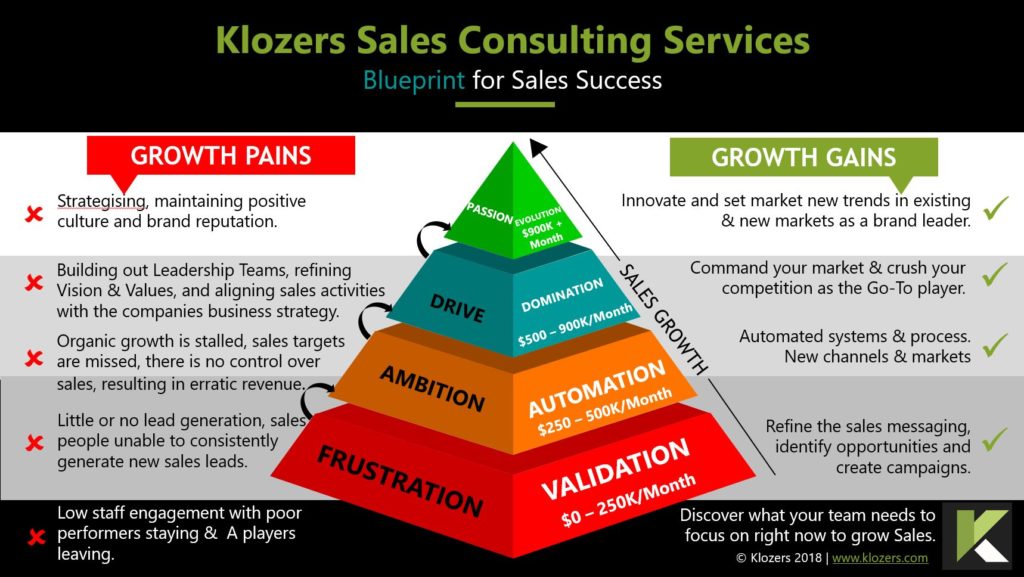
Credit: www.klozers.com
Sales Functions In Solutions Consulting
Solutions consultants play a unique role in the sales process. They combine deep technical knowledge with an understanding of customer needs. Their job supports the sales team by providing clear solutions. This helps customers see how products fit their challenges. The sales functions in solutions consulting focus on collaboration, guidance, and customer engagement rather than direct sales.
Supporting Sales Efforts
Solutions consultants back the sales team with technical expertise. They prepare product demonstrations and explain features clearly. They answer detailed questions that salespeople might not handle. This support builds trust with potential customers. It also helps move deals forward with confidence. Their role is vital in making complex solutions easy to understand.
Influence Vs. Direct Selling
Unlike traditional salespeople, solutions consultants do not usually close deals. They influence decisions by showing how products solve problems. Their advice helps customers make informed choices. They focus on building relationships based on knowledge and trust. This indirect sales approach often leads to better customer satisfaction. They act more as advisors than sales closers.
Customer Engagement
Solutions consultants engage with customers early in the sales process. They listen carefully to customer challenges and goals. They tailor presentations to meet specific needs. Their interactions are often technical and consultative. This engagement builds a strong connection between the customer and the sales team. It ensures the solution fits perfectly before any sale is made.
Differences From Traditional Sales Roles
Solutions consultants differ from traditional sales roles in several key ways. Their work blends technical expertise with customer interaction. This mix changes how they engage with clients and influence decisions. Understanding these differences helps clarify their unique place in the sales process.
Consultative Approach
Solutions consultants focus on understanding client needs deeply. They listen carefully to problems before suggesting solutions. Instead of pushing products, they offer tailored advice. This approach builds trust and shows genuine interest in the client’s success. It is less about closing deals quickly and more about long-term partnership.
Technical Vs. Sales Skillsets
Traditional salespeople excel in persuasion and negotiation. Solutions consultants, however, require strong technical knowledge. They explain complex products clearly and answer detailed questions. Their skills bridge the gap between technology and business. This technical fluency helps clients see how solutions fit their needs.
Decision-making Impact
Solutions consultants influence decision-makers by providing expert guidance. Their insights help shape the client’s strategy and choices. Traditional sales roles often focus on volume and quick wins. Solutions consultants work on strategic deals with higher stakes. Their impact goes beyond sales numbers to client outcomes and satisfaction.

Credit: jobs.adp.com
Common Misconceptions
Many people confuse the role of solutions consultants with traditional sales positions. This misunderstanding can cause confusion about their true function in a business. Clearing up these misconceptions helps businesses and clients appreciate the unique skills solutions consultants bring.
Consultants As Salespeople
Solutions consultants support sales but are not typical salespeople. They focus on understanding client needs and tailoring solutions. Unlike sales reps, they do not push products blindly. Their role is to guide clients through complex options. This approach builds trust and ensures the best fit.
Impartiality Myth
Some believe solutions consultants act as unbiased advisors. In reality, they represent their company’s products. They balance honesty with promoting solutions that meet client needs. Their goal is not to sell at any cost but to find real value. This mix of advocacy and advice sets them apart.
Role Overlap Confusion
Sales roles often blur, causing confusion about responsibilities. Solutions consultants work closely with sales but have different tasks. While salespeople focus on closing deals, consultants handle technical details. They explain how products solve client problems. This teamwork improves sales success and customer satisfaction.
Career Path And Growth
The career path of a Solutions Consultant blends technical knowledge with sales expertise. This role offers unique growth chances as it sits between pure sales and technical consulting. Professionals in this field gain skills that open doors to many career options.
Growth in this role means not just climbing a ladder but expanding your skill set. It involves learning about new technologies and improving communication abilities. Many Solutions Consultants find their career evolving into leadership or specialized technical roles.
Skills Development
Solutions Consultants build a strong mix of skills. They learn how to explain complex products clearly. Technical knowledge and customer interaction skills grow daily. This role sharpens problem-solving and presentation skills. These abilities are useful in many industries.
Advancement Opportunities
Many Solutions Consultants advance to senior technical or sales roles. Some become product managers or sales directors. Leadership positions in technical sales teams are common next steps. The role offers paths toward project management or customer success roles. Career growth depends on gaining experience and demonstrating results.
Industry Demand
Demand for Solutions Consultants remains high across tech industries. Companies value people who understand both products and customer needs. The rise of complex software and technology drives this demand. Strong communication and technical skills make these professionals sought after. The role offers job stability and good earning potential.
Comparison With Related Roles
Solutions consultants often share similarities with other roles in sales and technical fields. Understanding these differences helps clarify their unique contributions. This section compares solutions consultants with related positions, highlighting key distinctions in responsibilities and focus.
Sales Engineer Vs. Solutions Consultant
Sales engineers focus on the technical details of a product. They explain how a product works and fit it to customer needs. Solutions consultants combine technical knowledge with business understanding. They guide clients on solving problems using the product. Sales engineers are more product-centered. Solutions consultants take a broader view, considering the customer’s overall goals.
Solution Architect Differences
Solution architects design complex systems to meet business requirements. They create detailed technical plans and oversee implementation. Solutions consultants focus on presenting solutions during the sales process. Architects work after sales to build the solution. Consultants support sales by aligning product features to client needs. Architects need deep technical skills. Consultants balance technical and sales skills.
Pre-sales And Post-sales Roles
Solutions consultants mainly work in pre-sales. They help customers understand the product and its benefits. Post-sales roles focus on product delivery and support. Post-sales teams ensure the solution works well after purchase. Pre-sales roles influence the decision to buy. Post-sales roles maintain customer satisfaction and solve issues. Solutions consultants bridge the gap between sales and technical teams.
Impact On Business Outcomes
The impact of Solutions Consultants on business outcomes is significant and measurable. These professionals bridge the gap between technical expertise and customer needs. Their role influences various aspects of business performance, from product use to customer loyalty and revenue. Understanding their contributions helps clarify their position in the sales process and overall business success.
Driving Solutions Adoption
Solutions Consultants help customers understand product benefits. They provide clear explanations tailored to specific needs. This guidance increases the chance of customers using the product fully. Proper adoption leads to better results and fewer support issues. It also builds trust between the company and its clients.
Enhancing Customer Satisfaction
By addressing technical questions and challenges, Solutions Consultants improve customer experience. They act as advisors, not just sellers, which creates stronger relationships. Satisfied customers tend to stay longer and recommend products to others. This satisfaction reduces churn and supports long-term business growth.
Supporting Revenue Growth
Solutions Consultants contribute directly to revenue by enabling successful sales. They help tailor solutions that fit customer problems precisely. This increases the likelihood of closing deals and upselling. Their expertise also shortens sales cycles and lowers return rates. Strong support from Solutions Consultants boosts overall profitability.

Credit: resumeworded.com
Frequently Asked Questions
Is A Solutions Consultant A Sales Role?
A solutions consultant supports sales by providing technical expertise and strategic advice. They bridge product knowledge and client needs.
Is A Consultant A Sales Person?
A consultant advises clients with expertise, while a salesperson focuses on selling products or services. Some consultants support sales but are not traditional salespeople.
What Is The Role Of A Solutions Consultant?
A solutions consultant advises clients on technical products, customizes solutions, and supports sales teams to close deals effectively.
Is Consulting A Sales Role?
Consulting is not purely a sales role but often supports sales by providing expert advice and technical solutions.
Conclusion
Solutions consultants blend technical knowledge with sales skills. They guide clients by offering tailored solutions. Their role supports sales but focuses on problem-solving. They build trust and clarify complex product details. While not typical salespeople, they play a key sales role.
Understanding their unique position helps businesses succeed. Both sales and consulting skills matter in this role. The distinction lies in approach, not in purpose. Solutions consultants help close deals by addressing needs. This teamwork strengthens customer relationships and drives results.


