

Have you ever wondered what makes a website actually work? When you type a website address, two key things are at play: the host and the domain.
But what exactly is the difference between a host and a domain? Understanding this difference is crucial if you want to build your own website or just make sense of how the internet works. You’ll discover the clear, simple distinction between these two terms.
By the end, you’ll feel confident navigating the online world, whether you’re setting up a blog, a business site, or just curious about how websites come to life. Keep reading—you’re about to unlock a key piece of internet knowledge!
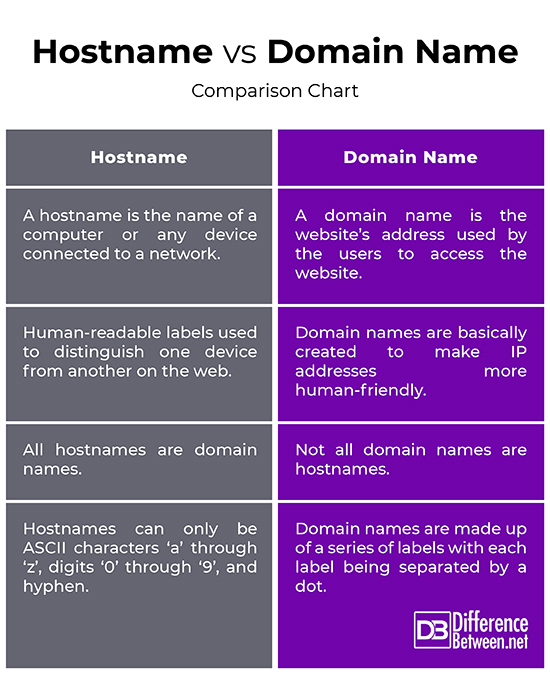
Credit: www.differencebetween.net
Host Basics
Understanding the basics of a host is key to grasping how websites work. A host is a service or a place where your website lives online. Without a host, your website cannot be seen on the internet. It stores all the files, images, and data your site needs to run smoothly.
Definition Of A Host
A host is a server or a computer that stores website data. It connects your website to the internet. This allows people to visit your site anytime from anywhere. The host keeps your website online 24/7.
Types Of Hosts
There are different types of hosts depending on your needs. Shared hosting means many websites share one server. It is cheaper but slower. VPS hosting gives you your own space on a server. Dedicated hosting means you rent a whole server just for your site. Cloud hosting uses many servers to keep your site fast and safe.
Role Of A Host In The Web
The host’s role is to make your website accessible to users. It sends your website files to visitors’ browsers. It also helps protect your site from crashes and attacks. A good host improves website speed and uptime. This creates a better experience for visitors.
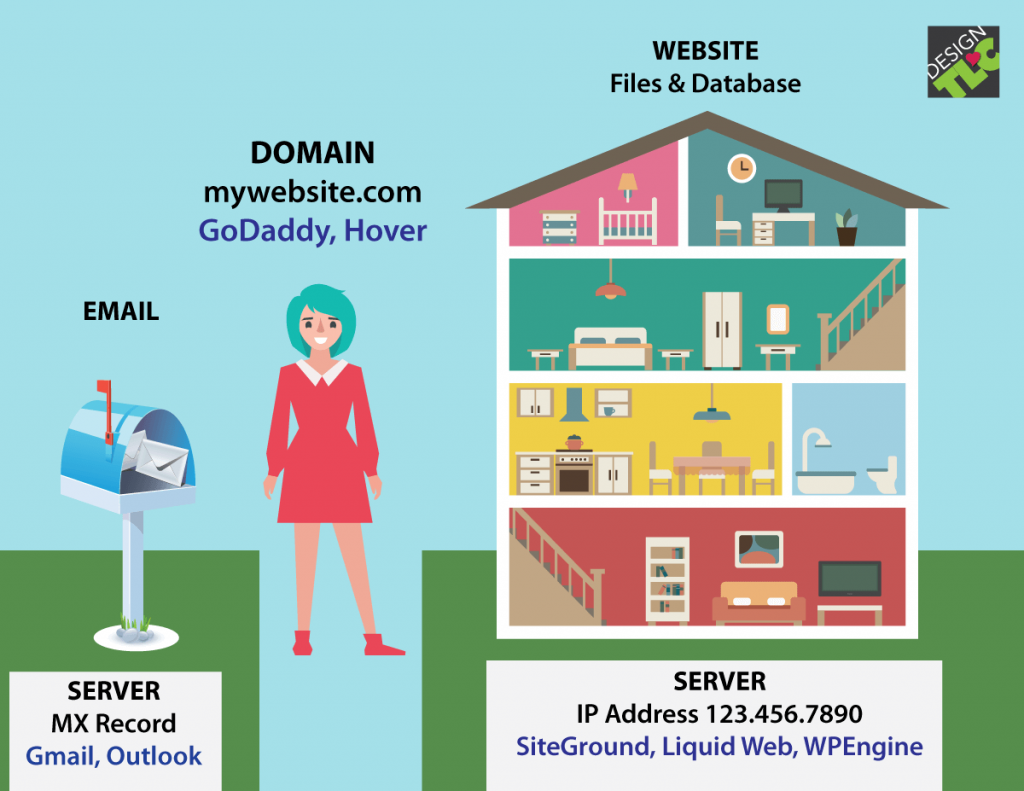
Credit: designtlc.com
Domain Essentials
Understanding domains is key to managing websites. Domains are the addresses people type to visit sites. They make internet navigation simple and clear. Below, learn the basic parts of a domain and how they work.
What Is A Domain Name
A domain name is the website’s address on the internet. It replaces complex numbers, called IP addresses, with easy words. This helps people find websites quickly and remember them. Every website has a unique domain name.
Domain Name Structure
Domains have parts separated by dots. The last part is the extension, like .com or .org. The middle part is the main name, which identifies the site. Sometimes, there is a subdomain before the main name. Each part has a role in guiding users.
Types Of Domains
Domains come in many types. Top-level domains (TLDs) include .com, .net, and .edu. Country-code domains (ccTLDs) use two letters like .uk or .jp. Newer domains offer options like .shop or .blog. Choosing the right type suits the website’s purpose.
How Hosts And Domains Work Together
Hosts and domains are two key parts of the internet. They work closely to make websites accessible to users. Understanding their connection helps you see how websites appear online.
A domain is the website address people type in their browser. The host is the service that stores the website’s files. Together, they make it possible to visit websites easily.
Connecting Hosts To Domains
The domain directs users to the host where the website lives. It acts like an address on the internet. Without this link, visitors cannot find the website’s files.
When you register a domain, you set it to point to your host’s server. This connection tells browsers where to load the website.
Dns And Its Function
DNS stands for Domain Name System. It translates domain names into IP addresses. Computers use IP addresses to locate web hosts.
DNS works like a phone book. When you enter a domain, DNS finds the host’s IP address. This process happens in seconds.
Hosting A Website With A Domain
Hosting means storing your website files on a server. The domain helps users find this server online. Both are needed to show your website to the world.
Once connected, typing your domain loads the website from the host. This setup keeps websites available and easy to reach.
Key Differences Between Host And Domain
Understanding the key differences between a host and a domain helps clarify how websites work. Both terms relate to the internet but serve distinct roles. Knowing these differences makes managing websites easier and improves your web knowledge.
Technical Differences
A domain is the website’s address on the internet. It is the name you type in the browser, like example.com.
A host is the service that stores the website’s files and data. It makes the website visible online.
Domains point to the host’s server where the site lives. Hosts provide space on servers for websites.
Purpose And Function
The domain’s purpose is to help users find the website easily. It acts like a street address for your site.
The host’s function is to keep the website’s content accessible 24/7. It manages files, emails, and databases.
Domains simplify web addresses, while hosts handle the technical side.
Examples For Clarity
For example, in www.example.com, “example.com” is the domain.
The host is the company like Bluehost or SiteGround that stores the website files.
Think of the domain as a phone number and the host as the phone service provider.
Choosing The Right Host And Domain
Choosing the right host and domain is key to building a strong website. Both work together but serve different roles. The host stores your site’s files. The domain is your site’s address on the internet. Picking the right options helps your site run smoothly and attract visitors.
Factors To Consider For Hosting
Speed matters. A slow host can drive visitors away. Look for hosts with good uptime guarantees. Security is vital. Choose hosts that offer strong protection from attacks. Support is important. Pick hosts with helpful, fast customer service. Also, check if the host fits your budget. Some hosts offer extra features like backups and easy site builders.
Selecting A Domain Name
Choose a name that is short and easy to remember. Avoid numbers and hyphens. Use keywords related to your site’s topic. Pick a common domain extension like .com or .net. Make sure the name is unique and not copyrighted. A clear domain helps visitors find and trust your site.
Common Mistakes To Avoid
Don’t pick a host just because it is cheap. Cheap hosts may have slow speeds and poor support. Avoid domain names that are hard to spell or too long. Don’t copy names from other sites. Avoid choosing a host without checking reviews. Make sure your domain name matches your brand or content. These mistakes can cause problems later.

Credit: iskills.com
Frequently Asked Questions
What Is A Domain In Simple Terms?
A domain is the website’s address people type in browsers. It points users to the website’s location on the internet, making it easy to find.
How Does A Host Differ From A Domain?
A host stores website files on servers. A domain is the website name that directs users to that host.
Can A Website Have A Domain Without Hosting?
No, a website must have hosting to store files. A domain alone can’t display a website.
Why Are Domains Important For Websites?
Domains provide a memorable address for users. They help build a website’s brand and make it accessible online.
Conclusion
Understanding the difference between a host and a domain helps you build a website. A domain is your website’s address on the internet. The host stores all your website files and data. Both work together to make your site visible online.
Knowing this makes managing your website easier. Now, you can choose the right service for your needs. Simple steps lead to a successful online presence.


