Have you ever visited a website and wondered, “Does this site use WordPress?” Whether you’re building your own site or just curious, knowing if WordPress powers a website can give you useful insights.
You’ll discover simple ways to find out if a site runs on WordPress. By the end, you’ll feel confident spotting WordPress sites and understand why it matters for your own web projects. Keep reading to unlock these easy yet powerful tips!
Credit: themeisle.com
Spotting WordPress Features
Spotting WordPress features on a website can be simple. Many sites use WordPress because it is easy to manage and customize. Recognizing these features helps you know if a site uses WordPress. This knowledge can be useful for web design, marketing, or just curiosity.
Common WordPress Themes
WordPress themes control how a website looks. Some themes are very popular and often seen on many sites. Themes like Astra, Divi, and OceanWP have distinct styles. They often include a header menu, blog layout, and footer design that stand out. You can spot these by their clean design and easy navigation. Themes also show in the source code as theme folder names.
Identifying Plugins In Use
Plugins add extra features to a WordPress site. Some plugins leave clear signs. For example, WooCommerce adds shopping features. Contact Form 7 adds contact forms. You can check the source code or look for special URLs or scripts. Sometimes, plugin names appear in the site’s HTML or JavaScript files. These clues help spot WordPress plugins quickly.
Recognizing WordPress Urls
WordPress sites often have typical URL structures. Common URLs include “/wp-content/”, “/wp-admin/”, and “/wp-includes/”. These paths show where files and uploads are stored. Seeing these in the URL or source code is a strong sign of WordPress. Blog posts usually have “/category/” or “/tag/” in URLs. This pattern helps identify WordPress sites easily.
Tools To Detect WordPress
Detecting if a website uses WordPress can be simple with the right tools. These tools help identify WordPress sites quickly. They save time and effort in checking site details. Below are common methods to find out if a site runs on WordPress.
Online Detection Services
Online detection services scan websites to find WordPress clues. They check for common WordPress files and themes. These tools give instant results without technical skills. Just enter the website URL, and the tool does the work. Popular services include IsItWP and BuiltWith.
Browser Extensions
Browser extensions are easy tools for WordPress detection. You add them to browsers like Chrome or Firefox. These extensions show if a site uses WordPress with one click. They analyze page elements and reveal WordPress details. Extensions like Wappalyzer and WordPress Theme Detector are common choices.
Manual Source Code Checks
Manual checks involve looking at a website’s source code. Right-click the page and select “View Page Source.” Search for “wp-content” or “wp-includes” in the code. These terms often mean the site uses WordPress. You can also spot WordPress theme or plugin names this way. This method requires no extra tools and is very direct.
Benefits Of Knowing The Cms
Knowing the CMS behind a website helps you understand its strengths and limits. It gives clues about security, design choices, and speed. This knowledge guides better decisions for users and developers alike.
Security Insights
CMS platforms have different security levels. Knowing the CMS helps spot possible risks. You can check if the site uses recent updates or patches. This reduces chances of hacks or data loss.
Customization Potential
Each CMS offers unique tools for design and features. Understanding the CMS shows how flexible the site is. It reveals what changes or additions are easy or hard. This helps plan future improvements or fixes.
Performance Expectations
CMS choice impacts how fast a site runs. Some CMS platforms load pages quicker than others. Knowing the CMS helps set realistic speed expectations. This matters for user experience and search rankings.
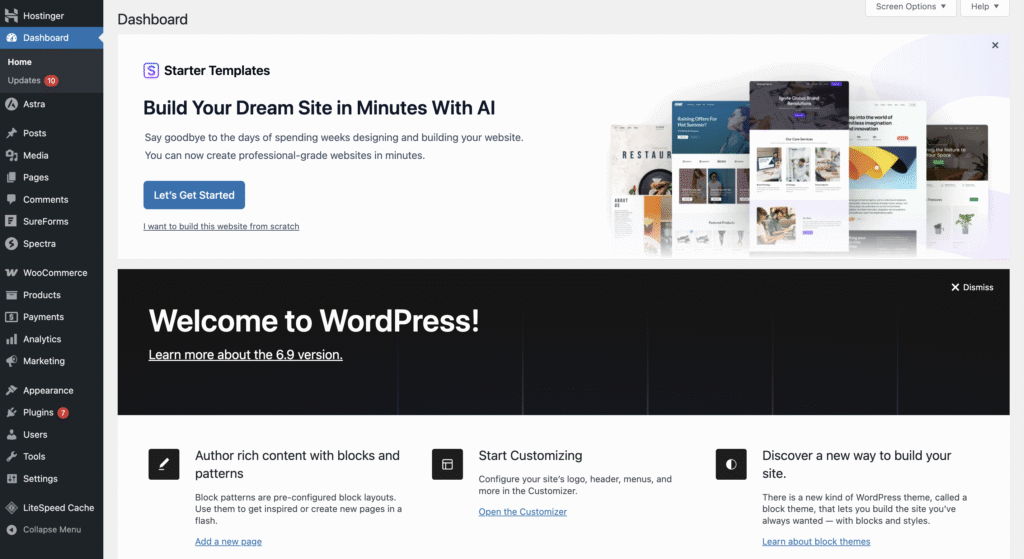
Credit: www.hostinger.com
Limitations Of Detection Methods
Detecting whether a site uses WordPress is not always straightforward. Various tools and methods exist, but each has limits. These limits can cause errors or miss the true platform behind a site.
Hidden Or Customized WordPress Sites
Some sites hide WordPress signs on purpose. They may change folder names or remove default files. Custom themes and plugins can mask usual WordPress features. This makes detection tools unable to identify the site as WordPress. Such sites look like custom-built platforms.
False Positives And Negatives
Detection tools sometimes give wrong results. A false positive shows WordPress where it is not used. False negatives miss WordPress on a site that actually uses it. These errors happen due to outdated methods or unusual site setups. They reduce the trust in detection results.
Encrypted Or Obfuscated Code
Some sites use code encryption to protect their content. Obfuscation hides code details from scanners. This makes it hard for detection tools to read the site’s real structure. WordPress sites with encrypted code can appear as non-WordPress. This limits the accuracy of detection methods.
Alternatives To WordPress
WordPress is popular, but not the only choice. Many websites use other tools to build and manage content. These options can fit different needs and skills. Exploring alternatives helps find the best fit for your project.
Popular Cms Platforms
Content management systems like Joomla and Drupal offer strong features. They allow users to create and edit websites without coding. These platforms support large, complex sites well. They also have many themes and plugins to customize your site.
Static Site Generators
Static site generators create fast, secure websites. Tools like Hugo and Jekyll build pages from simple files. These sites load quickly because they have no server-side processing. They suit blogs, portfolios, and small business sites.
Custom Built Websites
Some businesses choose custom websites for full control. Developers write code to fit exact needs. This option is flexible but costs more and takes longer. It works best for unique features or designs not found in templates.

Credit: wordpress.org
Frequently Asked Questions
How Can I Tell If A Site Uses WordPress?
Check the site’s source code for “/wp-content/” or “/wp-includes/”. These paths are unique to WordPress. You can also use online tools like BuiltWith or IsItWP for quick verification.
Why Do Many Websites Choose WordPress?
WordPress is user-friendly, flexible, and highly customizable. It supports numerous plugins and themes, making it ideal for various website types. Its SEO-friendly structure helps improve search engine rankings effectively.
Does WordPress Affect Website Loading Speed?
WordPress itself is optimized for speed, but loading time depends on themes, plugins, and hosting quality. Proper optimization and lightweight plugins ensure fast performance on WordPress sites.
Can I Build Any Website With WordPress?
Yes, WordPress supports blogs, e-commerce, portfolios, and more. Its vast plugin ecosystem allows users to create almost any website type without coding skills.
Conclusion
Knowing if a site uses WordPress helps in many ways. It shows the tools behind the website. This info can guide your own site choices. WordPress offers many themes and plugins to try. It suits beginners and experts alike. Checking a site’s platform is simple and quick.
Next time you visit a website, you can tell if it runs on WordPress. This small skill adds value to your web knowledge. Keep exploring and learning about website platforms. It makes browsing and building sites more fun and easy.