
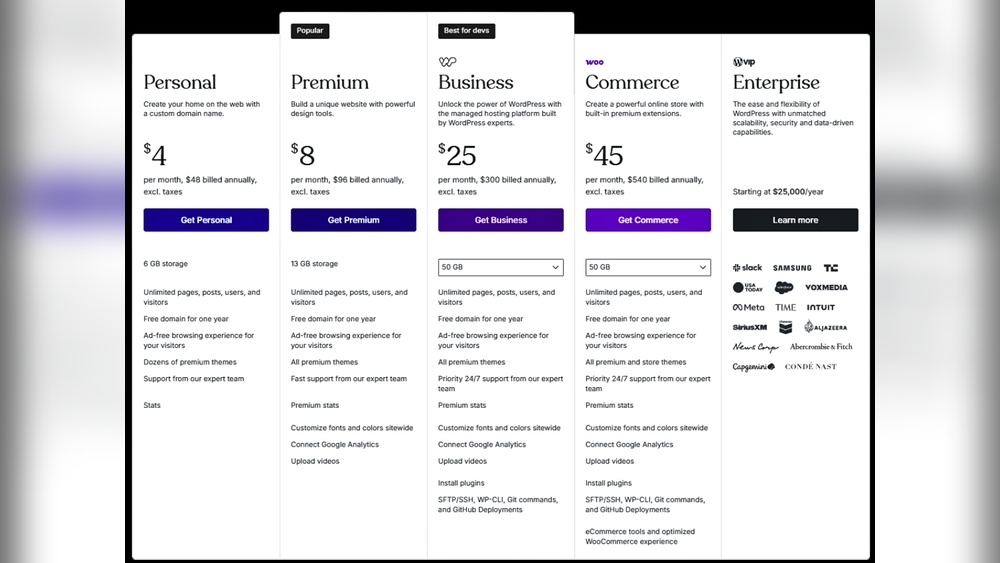
Are you thinking about selling products or services through your WordPress website? You might be wondering if WordPress takes a cut from your sales.
Knowing this can help you plan your business and keep more of your hard-earned money. You’ll get clear answers about WordPress fees and what to expect. Keep reading to find out how to make the most of your online store without surprises eating into your profits.
WordPress And E-commerce Basics
WordPress is a popular platform for building websites. Many people use it to create online stores. It offers flexibility and control without high costs. Understanding how WordPress works with e-commerce helps you start selling online.
WordPress itself does not charge fees on sales. It acts as a foundation. The actual selling happens through plugins that add store features. These tools handle payments, inventory, and shipping.
How WordPress Supports Online Stores
WordPress supports online stores through themes and plugins. Themes change the look of your store. Plugins add important store functions. This setup lets you build a store that fits your brand.
The platform allows you to manage products easily. You can add descriptions, prices, and images. WordPress also lets you track orders and customer details.
Security is important for online stores. WordPress works with secure payment gateways. It helps protect customer data during transactions.
Popular E-commerce Plugins
WooCommerce is the most popular plugin for WordPress stores. It offers many features for free. You can upgrade with paid extensions if needed.
Easy Digital Downloads is great for selling digital products. It provides tools for file delivery and license keys.
Shopify offers a WordPress plugin to connect your store. It combines Shopify’s tools with WordPress design.

Credit: funnelkit.com
WordPress Fees Explained
Many people ask if WordPress takes a cut from their sales. Understanding WordPress fees helps clear up this common question. WordPress itself is free, but other costs come with running a website. These costs do not include any percentage taken from your sales.
Core WordPress Software Costs
The WordPress software is open-source and free to use. You can download and install it without paying any fees. This means no charges on your website sales by WordPress. You get full control over your site’s content and sales.
Hosting And Domain Expenses
To run a WordPress site, you need hosting and a domain name. Hosting is where your website lives online. Domain is your website’s address, like www.example.com. Hosting and domain providers charge fees, usually yearly or monthly. These fees do not depend on your sales volume or amount.
Sales Commissions On WordPress
Sales commissions on WordPress can be confusing for new sellers. Many wonder if WordPress takes a cut from their sales. Understanding how WordPress handles fees helps you plan your online store better. Let’s break down the facts about sales commissions on WordPress and related costs.
Does WordPress Charge Sales Percentage?
WordPress itself does not charge a percentage on your sales. It is an open-source platform free to use. You pay only for hosting, themes, and plugins. WordPress leaves payment processing to third-party services like PayPal or Stripe. These services may charge transaction fees. But WordPress does not take a commission on your sales.
Third-party Plugin Fees
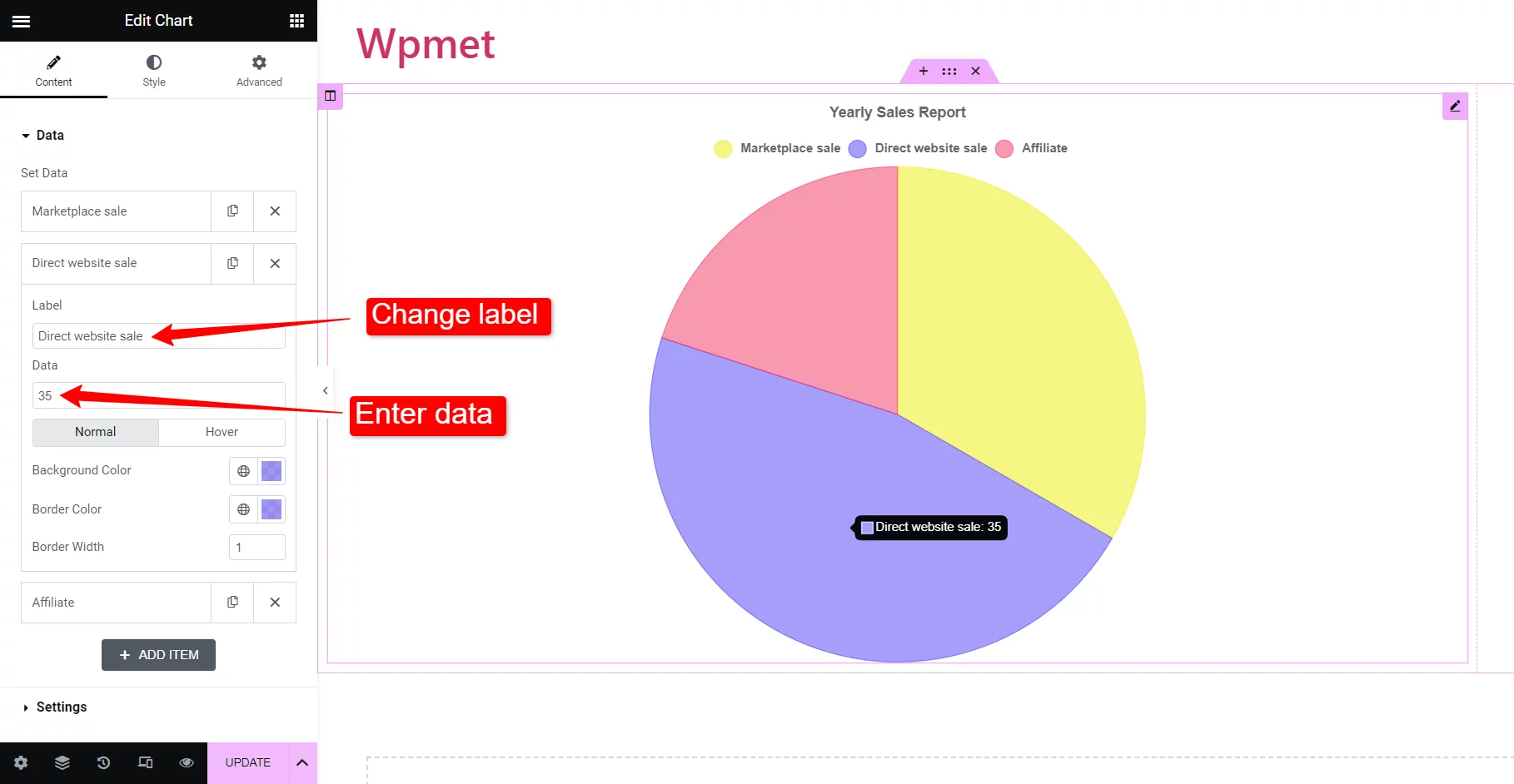
Many WordPress stores use plugins to manage sales. WooCommerce is the most popular plugin for online stores. WooCommerce itself is free. Some advanced features or add-ons may cost money. Some plugins or payment gateways can charge fees. These fees vary depending on the service provider. Always check the terms of plugins you use for sales. These fees are separate from WordPress and depend on the plugin creators.
Credit: wpmet.com
Payment Gateways And Their Charges
Payment gateways play a key role in online sales. They handle the money transfer from customers to sellers. Each gateway charges fees for this service. These charges affect your total profit. Understanding these fees helps you choose the best option for your business.
Common Payment Processors
Popular payment processors include PayPal, Stripe, and Square. These services work well with WordPress shops. They support many payment methods like credit cards and digital wallets. Each processor offers a simple setup and reliable security. Choosing one depends on your location and customer preferences.
Transaction Fees Breakdown
Transaction fees vary by processor but usually include a percentage and a fixed amount. For example, Stripe charges around 2.9% plus 30 cents per transaction. PayPal has similar fees but may differ by country. Some gateways charge extra for currency conversion or refunds. These fees reduce your earnings on each sale.
Comparing WordPress To Other Platforms
Choosing the right platform for your online store can affect your costs and profits. WordPress is popular, but other platforms like Shopify and Wix are strong competitors. Each platform handles fees and sales percentages differently. Understanding these differences helps you pick what fits your needs best.
This section compares WordPress with Shopify and Wix. It covers their fee structures and lists pros and cons of each platform. This guide aims to make your decision easier.
Shopify And Wix Fee Structures
Shopify charges a monthly fee starting from $29. It also takes a small percentage of each sale, depending on your payment gateway. This fee can range from 2% to 0.5% if you use external payment methods. Shopify Payments avoids these extra fees.
Wix offers a free plan but limits eCommerce features. Paid plans start at $23 per month. Wix does not take a percentage of your sales but charges for premium features and apps. Payment gateway fees still apply.
WordPress itself does not take any sales commission. You pay only for hosting, themes, and plugins. Payment gateways like PayPal or Stripe charge their own fees, usually around 2.9% plus a small fixed amount per transaction.
Pros And Cons Of Each Platform
Shopify is easy to use and built for eCommerce. It has great support and many sales tools. Its fees can add up, especially with third-party payment gateways.
Wix offers simple drag-and-drop design and affordable plans. It suits small stores but may lack advanced eCommerce features. No sales commission is a plus.
WordPress gives full control and flexibility with many plugins. It has no sales fees but needs more setup and technical skill. Hosting costs vary and can affect performance.
Tips To Minimize Selling Costs
Selling products online comes with various costs. These costs can reduce your profits. Knowing how to cut down selling expenses helps keep more money in your pocket. Use smart strategies to lower fees and charges.
Here are practical tips to minimize selling costs on your WordPress site.
Choosing The Right Plugins
Select plugins that do not charge extra fees per sale. Some plugins take a percentage of your earnings. Others charge a flat monthly fee. Choose plugins with transparent pricing to avoid surprises. Look for options that support your payment methods. This can reduce transaction costs. Test free versions before upgrading to paid ones. This helps you find the best fit for your budget.
Negotiating Payment Fees
Payment gateways charge fees for processing transactions. These fees can add up over time. Contact your payment provider to discuss lower rates. Higher sales volume may qualify you for discounts. Ask about fee structures and hidden charges. Choose gateways with low or no setup fees. Consider using multiple payment options to find the cheapest. Keep track of all fees to manage costs better.

Credit: funnelkit.com
Frequently Asked Questions
Does WordPress Charge A Percentage Of Sales?
No, WordPress itself does not take any percentage of your sales. It is an open-source platform. However, third-party plugins or payment gateways may charge fees.
How Does Woocommerce Handle Transaction Fees?
WooCommerce, a popular WordPress plugin, does not charge transaction fees. Payment gateways like PayPal or Stripe may apply their own fees.
Are There Any Hidden Costs In WordPress Ecommerce?
WordPress is free, but costs can include hosting, premium themes, plugins, and payment processing fees. These vary based on your setup.
Can I Sell Products On WordPress Without Fees?
You can sell products without WordPress fees, but payment processors usually charge transaction fees. Choosing low-fee gateways helps reduce costs.
Conclusion
WordPress itself does not take a percentage of your sales. You keep all the money from your products or services. Some payment gateways may charge fees, but that is separate. Using WordPress gives you control over your online store. No hidden costs from WordPress means clear budgeting.
Choose the right tools to fit your business needs. This keeps your profits safe and predictable. Running a store on WordPress is simple and fair. Your earnings belong to you alone.


