
Imagine owning a piece of digital real estate that could be worth a fortune. That’s the power of a domain name.
If you’ve ever wondered how to turn your domain into profit with Namecheap, you’re in the right place. Selling domains can be a lucrative venture, but only if you know the ropes. You might be asking yourself: Where do I start?
How do I attract buyers? What’s the best way to seal the deal? This guide will answer all your questions and more. We’ll walk you through each step, ensuring you maximize your earnings and minimize the hassle. Keep reading to discover the secrets to successfully selling your domain on Namecheap and turning your virtual asset into real cash. Don’t miss out on the opportunity to learn how to unlock the true value of your domain.

Credit: m.youtube.com
Understanding Domain Value
Discover the potential of your domain by understanding its value. Selling a domain on Namecheap involves setting a competitive price, creating an appealing listing, and reaching potential buyers. Optimize your listing with keywords to attract interest and facilitate a successful sale.
Understanding the value of a domain is crucial when you’re looking to sell it on Namecheap. Knowing what makes a domain valuable can help you set a competitive price. It can also attract more buyers. But what exactly determines a domain’s worth?Factors Affecting Domain Worth
Several factors influence the value of a domain. A short, memorable name is often more valuable. Think about popular sites like Facebook or Twitter. Length matters, and so does simplicity. Domain extensions are another key factor. A .com domain often holds more value than less common extensions like .biz or .info. This is because .com is widely recognized and trusted. Keywords in your domain can also add value. If your domain name includes a popular search term, it can attract businesses in that niche. Imagine owning a domain like “BestShoes.com” in the footwear industry.Tools For Domain Valuation
You don’t have to guess your domain’s worth. Several tools can help you evaluate it accurately. Namecheap itself provides appraisal services to give you a rough estimate. Other online tools include Estibot and GoDaddy’s Domain Appraisal. These tools analyze various factors and provide a valuation range. Using multiple tools can give you a balanced view. Each tool might use slightly different criteria, offering varied insights into your domain’s potential market value. When you understand these factors and utilize these tools, you’re better equipped to sell your domain effectively. So, what steps will you take today to discover your domain’s true value?
Credit: www.youtube.com
Researching Market Trends
Understanding market trends is essential to selling domain names effectively. This process involves evaluating current demands and predicting future needs. By studying these trends, sellers can identify profitable opportunities. Recognizing which domains are in high demand can help in setting competitive prices. It also aids in attracting potential buyers.
Identifying High-demand Domains
Examine popular industries to find high-demand domains. Technology and e-commerce often lead the way. Domains related to these areas tend to attract buyers. Look at emerging fields as well. Industries like renewable energy and AI show growing interest. Short and memorable domains usually catch attention faster. Ensure your domain is easy to spell and remember.
Analyzing Competitor Sales
Study competitor sales to understand market dynamics. Check their successful domain sales to spot trends. Look at the pricing strategies they use. Are their domains priced high or low? Analyze their domain features. Do they focus on specific keywords or themes? Observing competitor behavior helps in refining your sales approach.
Use tools to track competitor sales patterns. Platforms like Namecheap offer insights into popular domain categories. Comparing these patterns with your domains can reveal gaps. These insights can guide your pricing decisions and marketing strategies.
Preparing Your Domain For Sale
Preparing your domain for sale involves several key steps. These steps help in attracting potential buyers. A well-prepared domain increases its value. It also speeds up the selling process. Before listing your domain on Namecheap, ensure it’s ready for sale. This involves optimizing its listing and creating an attractive description.
Optimizing Domain Listings
Focus on creating a detailed domain listing. Include important information about the domain. Mention the age, niche, and any existing traffic. Keep the language simple and clear. Use keywords related to your domain’s niche. This helps in search visibility. A clear title is crucial. It grabs attention.
Ensure the listing is visually appealing. Use bullet points for key features. This makes the listing easy to read. Double-check for errors. A polished listing builds trust. It reflects professionalism. This can lead to more inquiries from buyers.
Creating Attractive Sales Descriptions
The sales description should be engaging. Start with a strong opening line. Highlight the domain’s strengths. Mention its potential uses. This helps buyers visualize its value. Keep sentences short. Use simple language for clarity.
Include any unique selling points. This could be a short, catchy name. Or a domain with a popular extension. These add value. Avoid complex jargon. Use language that is easy to understand. Make sure the description is free of errors. A well-written description increases interest.
Choosing The Right Platform
Choosing the right platform is key to selling domains on Namecheap. This platform offers a user-friendly interface. Easily list and manage your domain sales. Buyers can find your domains quickly. Namecheap ensures secure transactions and support. Ideal for both beginners and experienced sellers.
When selling a domain on Namecheap, choosing the right platform is crucial. It can make the difference between a quick sale and your domain sitting unsold for months. The right platform will connect you with potential buyers, offer competitive pricing, and provide a seamless transaction process.Benefits Of Using Namecheap
Namecheap is a popular choice for domain sellers for several reasons. Firstly, it offers a user-friendly interface that makes listing your domain simple and straightforward. You don’t need to be tech-savvy to navigate through the process. Additionally, Namecheap provides excellent customer support. If you encounter any issues or have questions, their support team is readily available to assist you. This can save you time and reduce frustration during the selling process. Lastly, Namecheap’s reputation for security gives buyers confidence. A secure platform means a smoother transaction, which can lead to quicker sales. This security is crucial for both you and the potential buyers.Comparing Alternative Platforms
While Namecheap is a great option, it’s important to consider alternatives. GoDaddy Auctions, for instance, boasts a large user base which can increase the visibility of your domain. More eyes on your domain often translates to more potential buyers. However, some platforms charge higher fees. Make sure to compare the costs involved with each platform to ensure you’re getting the best deal. Lower fees mean you keep more of the sale price. Each platform has its unique features. Sedo, for example, offers domain appraisal services which can help you price your domain competitively. Knowing the true value of your domain can enhance your selling strategy. Ultimately, the best platform for selling your domain depends on your individual needs. Consider what’s most important to you—be it audience size, fees, or additional services. Have you weighed all your options to find the perfect match for your domain selling journey?Setting A Competitive Price
Selling a domain on Namecheap requires setting a competitive price. Understand market trends and domain value. Attract potential buyers by offering a fair price.
Setting a competitive price for your domain on Namecheap can make or break a sale. Whether you’re a seasoned investor or a first-time seller, understanding the nuances of pricing is crucial. You want your domain to stand out without undervaluing its worth. Let’s dive into some strategies and techniques to help you determine the best price for your domain.Pricing Strategies
Determining a price isn’t about guessing; it’s about research. Start by checking the market trends. What are similar domains selling for? Use this information to set a benchmark. Consider factors like domain length, keyword relevance, and TLD. Short, keyword-rich domains often fetch higher prices. Don’t forget the emotional value. Sometimes, a domain name holds sentimental or brand significance, which can influence buyers’ decisions.Negotiation Techniques
Negotiation is where your interpersonal skills shine. Be prepared to justify your asking price with data. If a buyer questions your price, show them market comparisons and traffic statistics. Listen to your buyers. Understanding their needs can help you tailor your offer. Maybe they value a quick transaction or long-term payment plans. Consider offering incentives. A slight discount or a flexible payment plan might be all it takes to close the deal. Remember, you’re not just selling a domain; you’re offering potential. What future could your buyer build with your domain? Keep this in mind to make your negotiations more persuasive. Ultimately, setting a competitive price is about balance. Are you pricing too high, risking losing potential buyers, or too low, undervaluing your asset? Would you pay the price you’re asking?Marketing Your Domain Effectively
Sell your domain on Namecheap by optimizing its visibility. Highlight unique features and set a competitive price. Use effective keywords to attract potential buyers.
Marketing your domain effectively is crucial when selling on platforms like Namecheap. Many domain sellers list their domains and hope for the best, but strategic marketing can set your listing apart. Let’s dive into actionable ways to enhance your domain’s visibility and attractiveness.Utilizing Seo For Domain Listings
Search Engine Optimization (SEO) isn’t just for websites. Applying SEO to your domain listings can make them more visible to potential buyers. Use relevant keywords in your domain description and title. This helps search engines understand the content and context of your domain listing. Think about the words potential buyers might use. If your domain is related to fitness, include terms like “gym,” “workout,” or “health.” These keywords improve your chances of appearing in search results. Don’t forget to keep it natural and avoid keyword stuffing. Consider adding a detailed description of your domain’s potential uses. Buyers are more likely to be interested if they can envision the domain’s value. A concise, keyword-rich description can be a game-changer.Leveraging Social Media Channels
Social media platforms are powerful tools for marketing your domain. Share your domain listing on platforms like Twitter, Facebook, and LinkedIn. These channels can expand your reach and attract a broader audience. Engage with online communities that might find your domain relevant. If your domain is tech-related, tech forums and groups can be ideal places to share it. Interaction in these communities can build interest and trust. Don’t underestimate the power of visuals. Create eye-catching graphics or videos showcasing your domain’s potential. A compelling visual can capture attention and drive more people to your listing. Have you ever considered reaching out to influencers? They can amplify your domain’s visibility to their followers. A simple tweet or post from an influencer could lead to a surge in interest. In the end, effective marketing requires a mix of strategies. Are you ready to take your domain listing to the next level?Handling Transactions Securely
Selling a domain on Namecheap requires secure transaction handling. Use trusted payment methods to protect your financial information. Verify buyer credentials to avoid scams and ensure smooth, safe exchanges.
Handling transactions securely when selling a domain on Namecheap is crucial to protect both your assets and your peace of mind. It’s not just about finding a buyer; it’s about ensuring that the sale process is smooth and safe. Let’s explore how you can handle transactions securely, focusing on safe payment methods and managing ownership transfers.Ensuring Safe Payment Methods
When selling a domain, selecting the right payment method is vital. You want to ensure that the funds are transferred securely without exposing yourself to fraud. Using a trusted platform like Escrow.com can provide peace of mind, as it holds the buyer’s funds until the transaction is complete. Consider using payment methods that offer buyer and seller protection. Services like PayPal or credit card payments often come with built-in security features that can protect you against unauthorized transactions. Always be cautious of potential scams and verify the identity of the buyer before proceeding with the sale.Managing Ownership Transfers
Transferring ownership of a domain requires precision and care. Namecheap makes this process straightforward by guiding you through each step. Ensure that you have the buyer’s correct email address and contact details before initiating the transfer. Prepare to follow Namecheap’s instructions closely to avoid any mishaps. Double-check all information before confirming the transfer, as errors can lead to delays or complications. Have you ever wondered what happens if a transfer goes wrong? Taking these precautions helps you avoid such stress. Reflect on your experience or knowledge about domain selling. Have you ever faced a challenge during a transaction? Share your thoughts and tips in the comments section below, and let’s help each other navigate the domain selling journey securely.Evaluating Post-sale Success
After selling a domain on Namecheap, evaluating post-sale success becomes crucial. It’s essential to understand how your domain sale performed and what can be learned from it. This evaluation helps improve future sales and strategies. Let’s explore key aspects to ensure effective post-sale analysis.
Tracking Sales Performance
Monitoring the performance of your domain sale is vital. Check how quickly the domain was sold. Look at the price it fetched compared to initial expectations. Analyze the buyer’s feedback for insights. Use Namecheap’s tools to track these metrics. They offer valuable data to understand sale success.
Learning From Market Feedback
Feedback from the market offers essential insights. Listen to what buyers say about your domain. Their opinions can highlight strengths or weaknesses in your strategy. This information is key to refining future sales. Adjust your pricing or marketing based on this feedback. It leads to better decisions and improved results.
Credit: www.namecheap.com
Frequently Asked Questions
Can You Sell A Domain On Namecheap?
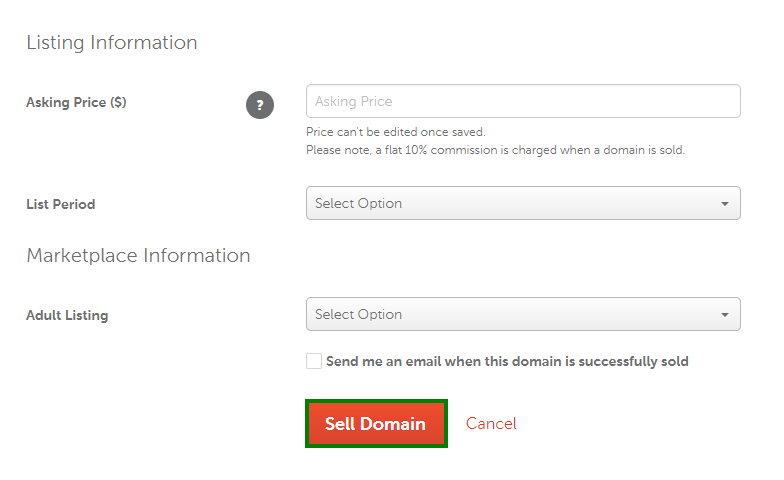
Yes, you can sell a domain on Namecheap. Use their Marketplace to list your domain for sale. Ensure your domain meets eligibility criteria for listing. Namecheap provides an easy platform to connect with potential buyers. Selling domains can be a straightforward process through Namecheap’s services.
How Much Does Namecheap Charge To Sell A Domain?
Namecheap charges a $1 transaction fee to sell a domain. Additional fees may apply based on domain type. Check their website for detailed pricing and potential promotions. Always verify with Namecheap’s official resources for the most accurate information.
How Do I Sell My Existing Domain?
List your domain on platforms like GoDaddy Auctions or Sedo. Set a competitive price. Promote on social media and forums. Respond quickly to buyer inquiries. Finalize the sale with a secure payment method.
How Do I Transfer Ownership Of A Domain Namecheap?
Log into your Namecheap account. Go to “Domain List” and select “Manage” next to the domain. Click on “Sharing & Transfer. ” Under “Change Ownership,” enter the recipient’s email. Confirm the transfer through the email link sent.
Conclusion
Selling your domain on Namecheap can be straightforward. Start with research and know your domain’s worth. Create a clear and attractive listing. Engage with potential buyers. Be ready to negotiate a fair price. Use Namecheap’s tools to simplify the process.
Ensure all details are accurate before finalizing the sale. With patience and preparation, success is likely. Keep communication open and professional throughout. Remember, persistence pays off in domain selling. Good luck with your sale!


