

Are you curious about what makes your favorite websites appear on the internet? Understanding domain and hosting details is the first step to unlocking that mystery.
Whether you want to create your own website or simply want to know how it all works behind the scenes, knowing these basics will give you the confidence to take control. By the end of this article, you’ll clearly understand what a domain is, what hosting means, and why both are essential for your online presence.
Ready to discover the foundation of every website? Let’s dive in.
Credit: elements.envato.com
Domain Basics
Understanding domain basics is key to starting any website. A domain is your website’s address on the internet. It helps visitors find your site easily. Domains are simple to remember and type. They replace long IP numbers with easy words.
What Is A Domain Name
A domain name is the unique name of a website. It shows on the browser’s address bar. For example, google.com is a domain name. It acts like a phone number for websites. Each domain name must be unique worldwide.
Types Of Domain Extensions
Domain extensions come after the domain name. They show the type or location of a website. Common extensions include .com, .net, and .org. Country codes like .us or .uk show location. New extensions like .shop or .blog are also popular.
How Domains Work
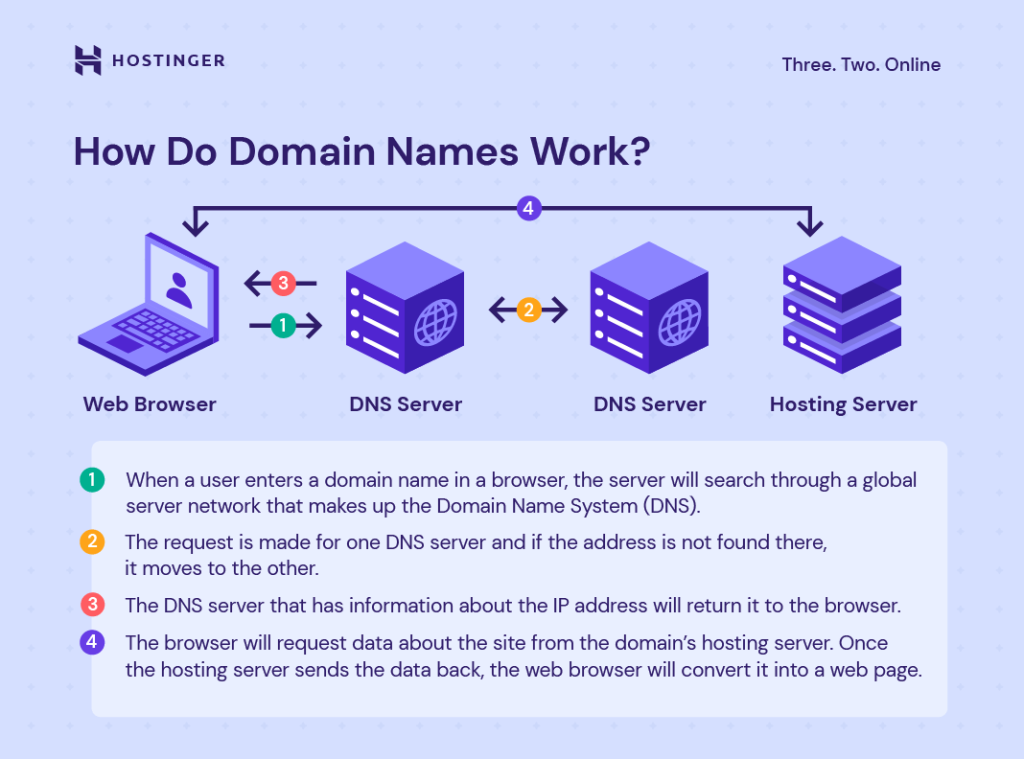
Domains connect to website servers using the Domain Name System (DNS). DNS converts the domain name into an IP address. This process helps browsers find the website’s server. Once connected, the website loads on the screen. Domains make internet browsing user-friendly and simple.
Hosting Essentials
Hosting Essentials help you understand how websites stay online. It is key to know what web hosting means and how it works. Hosting allows your website to be seen by anyone on the internet. The right hosting makes your site fast and reliable.
This section explains web hosting basics, types of hosting, and how hosting works. Knowing this helps you choose the best option for your website needs.
What Is Web Hosting
Web hosting is a service that stores your website files. These files include text, images, and videos. Hosting makes your site available on the internet 24/7. Without hosting, no one can visit your website. Hosting companies provide space on powerful computers called servers.
Different Hosting Types
Shared hosting means many websites share one server. It is affordable but can be slower. VPS hosting splits a server into parts for better speed. Dedicated hosting gives one server to one website only. It is faster and more secure. Cloud hosting uses many servers to keep sites online. It is flexible and handles traffic spikes well.
How Hosting Works
When someone types your website address, hosting sends files to their browser. Servers store your website data and respond to requests. Good hosting ensures quick loading and uptime. The server keeps your site safe from attacks. Hosting also manages backups and updates to keep the site running smoothly.
Choosing A Domain
Choosing a domain is the first step to build a website. It gives your site a unique identity on the internet. The right domain name helps visitors find and remember your site easily. It also affects your website’s credibility and SEO ranking.
Picking a domain name needs care and thought. The process involves selecting a name, registering it, and protecting your information. Each step plays a role in your website’s success.
Tips For Selecting A Domain Name
Choose a name that is short and easy to spell. Avoid using numbers or hyphens because they cause confusion. Use keywords related to your business or topic. Make sure the name sounds good when spoken aloud. Check if the domain is available on social media platforms. A unique and simple domain name helps visitors remember your site.
Domain Registration Process
Register your domain through a trusted registrar. Provide your contact details accurately during registration. Select the domain extension that fits your site, such as .com or .net. Pay the registration fee for one or more years. After payment, you will own the domain. Keep track of your renewal dates to avoid losing it.
Domain Privacy And Protection
Domain privacy hides your personal contact details from the public. It prevents spam and unwanted calls. Many registrars offer privacy protection for an extra fee. Enable domain locking to stop unauthorized transfers. Regularly check your domain status to keep it secure. Protecting your domain ensures your website stays safe and trustworthy.
Selecting Hosting Services
Selecting the right hosting service is important for your website’s success. Hosting keeps your site live on the internet. It stores all your files and data. Choosing the best hosting depends on your needs and budget.
Different hosting types offer different features. Understanding these helps you pick a service that fits your website. This section breaks down key points to consider when selecting hosting services.
Factors To Consider
Speed is crucial for user experience and SEO. Choose hosting with fast servers. Reliability matters. Look for uptime guarantees near 99.9%. Customer support should be easy to reach. Security features protect your site from attacks. Also, check the storage and bandwidth limits. These affect how much data your site can handle.
Shared Vs Dedicated Hosting
Shared hosting means many sites share one server. It is cheaper but slower and less secure. Dedicated hosting gives you a whole server. It is faster and safer but costs more. Small sites do well with shared hosting. Large sites or those needing high security prefer dedicated hosting.
Cloud Hosting Advantages
Cloud hosting uses multiple servers to host your site. It offers better speed and uptime. If one server fails, another takes over. Cloud hosting easily handles traffic spikes. It lets you pay for the resources you use. This type is flexible and grows with your site.
Connecting Domain And Hosting
Connecting a domain to hosting is a crucial step in making a website visible on the internet. The domain acts as the website’s address, while hosting stores the website’s files. Without linking them correctly, visitors cannot access the site. This process involves settings that guide internet browsers to the right place.
Understanding how to connect your domain and hosting helps avoid downtime and errors. It ensures your website loads fast and works smoothly. The main part of this connection happens through DNS settings, which control how the domain points to the hosting server.
Dns Settings Explained
DNS stands for Domain Name System. It works like a phonebook for the internet. It translates domain names into IP addresses. This translation tells browsers where to find your website files.
DNS settings include records like A, CNAME, and MX. The A record links your domain to your hosting server’s IP address. CNAME can point subdomains to other domains. MX records handle email routing.
Pointing Domain To Hosting
Pointing the domain means updating its DNS records to your hosting provider. Usually, you set the nameservers given by the host at your domain registrar. Nameservers manage all DNS settings for the domain.
After updating nameservers, it can take hours or days to spread worldwide. This delay is called propagation. During propagation, your site might be unreachable for some users.
Common Setup Issues
Incorrect DNS entries cause many connection problems. Typing wrong IP addresses breaks the link between domain and hosting. Mixed or missing records can also cause errors.
Propagation time often confuses beginners. Changes don’t happen instantly. Patience is key while waiting for updates to apply.
Another issue is forgetting to save changes after editing DNS records. Always double-check and save settings carefully.

Credit: kb.leaseweb.com
Managing Domains And Hosting
Managing domains and hosting is essential for any website owner. It ensures your site stays online and performs well. Proper management helps avoid downtime and security risks. It also keeps your website updated and safe from threats.
Renewal And Expiration
Domains and hosting services must be renewed regularly. Missing a renewal can cause your website to go offline. Set reminders before expiration dates. Renew early to avoid losing your domain or hosting space. Many providers offer automatic renewal to simplify this process.
Upgrading Hosting Plans
As your website grows, you may need more resources. Upgrading your hosting plan provides more storage and bandwidth. Choose a plan that fits your current traffic and needs. Switching plans is usually easy and done through your hosting dashboard. A better plan improves website speed and user experience.
Security Measures
Securing your domain and hosting is crucial. Use strong passwords for your accounts. Enable two-factor authentication for added protection. Regularly update your website software and plugins. Many hosting providers offer security tools like firewalls and malware scans. These steps reduce the risk of hacking and data loss.
Cost And Budget Tips
Understanding the costs of domain and hosting helps you plan your budget well. Knowing what affects prices can save money. Smart choices keep your website affordable without losing quality.
Domain Pricing Factors
Domain prices vary based on the extension you choose. Popular endings like .com cost more than .net or .info. Some domains have higher renewal fees than the first purchase. Premium names with common words or short length also cost extra. Privacy protection and additional services add to the price.
Hosting Cost Breakdown
Hosting costs depend on the type of service you select. Shared hosting is usually the cheapest option. VPS and dedicated servers are more expensive but offer better performance. Prices also depend on storage space, bandwidth, and support level. Some hosts charge monthly, others yearly. Extra features like backups and security can increase costs.
Saving On Domain And Hosting
Choose a domain with a less popular extension to save money. Look for hosting providers offering discounts for longer plans. Avoid paying for features you do not need. Use coupons or promotions available at sign-up. Regularly check renewal prices to avoid surprises. Combine domain and hosting in one package for possible savings.
Credit: www.hostinger.com
Frequently Asked Questions
What Is A Domain In Web Hosting?
A domain is the website’s address on the internet. It helps users find your site easily without typing the IP address. Domains are unique and registered through domain registrars.
How Does Web Hosting Work?
Web hosting stores your website files on a server. When users enter your domain, the server delivers these files to their browser. Hosting ensures your site is accessible 24/7.
What’s The Difference Between Domain And Hosting?
A domain is your website’s address, while hosting is where your site’s files are stored. Both are essential to make your website visible online.
Can I Use One Hosting For Multiple Domains?
Yes, many hosting providers allow hosting multiple domains on one account. This saves cost and simplifies website management for several projects.
Conclusion
Understanding domain and hosting details helps build your website correctly. A domain is your website’s address on the internet. Hosting is where your website lives online. Both are needed for your site to work well. Choose a domain name that is easy to remember.
Pick reliable hosting to keep your site fast and safe. Knowing these basics makes starting a website simpler. Now, you can create and manage your site with confidence. Simple steps lead to better results online.


