
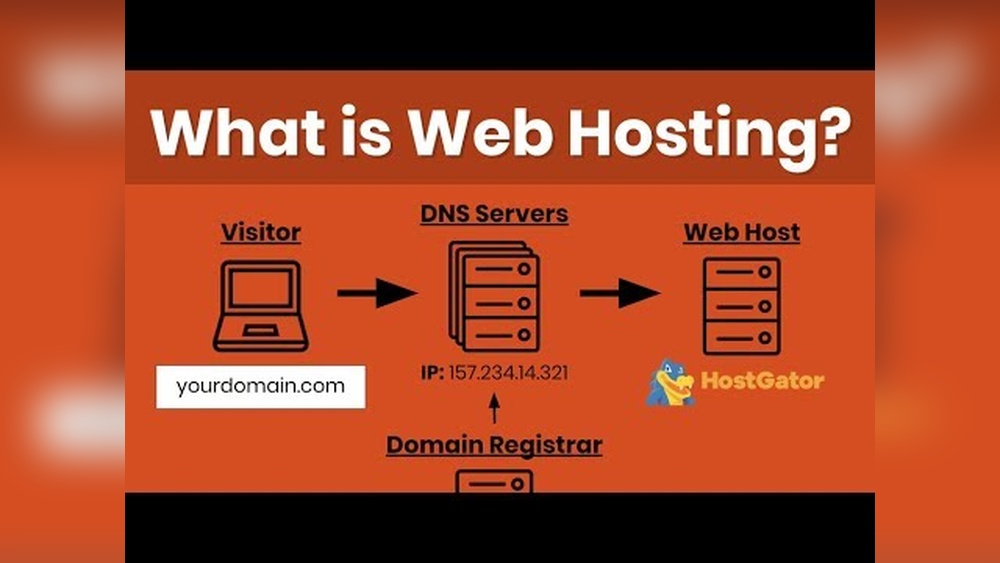
Have you ever wondered what happens behind the scenes when you visit a website? Understanding what a domain, host, and server are is the first step to unlocking the mystery.
These simple terms play a huge role in making sure your favorite sites load quickly and work smoothly. If you want to know how your website or blog actually gets online, keep reading. By the end, you’ll see how these pieces fit together—and why knowing this can give you an edge in managing your online presence.
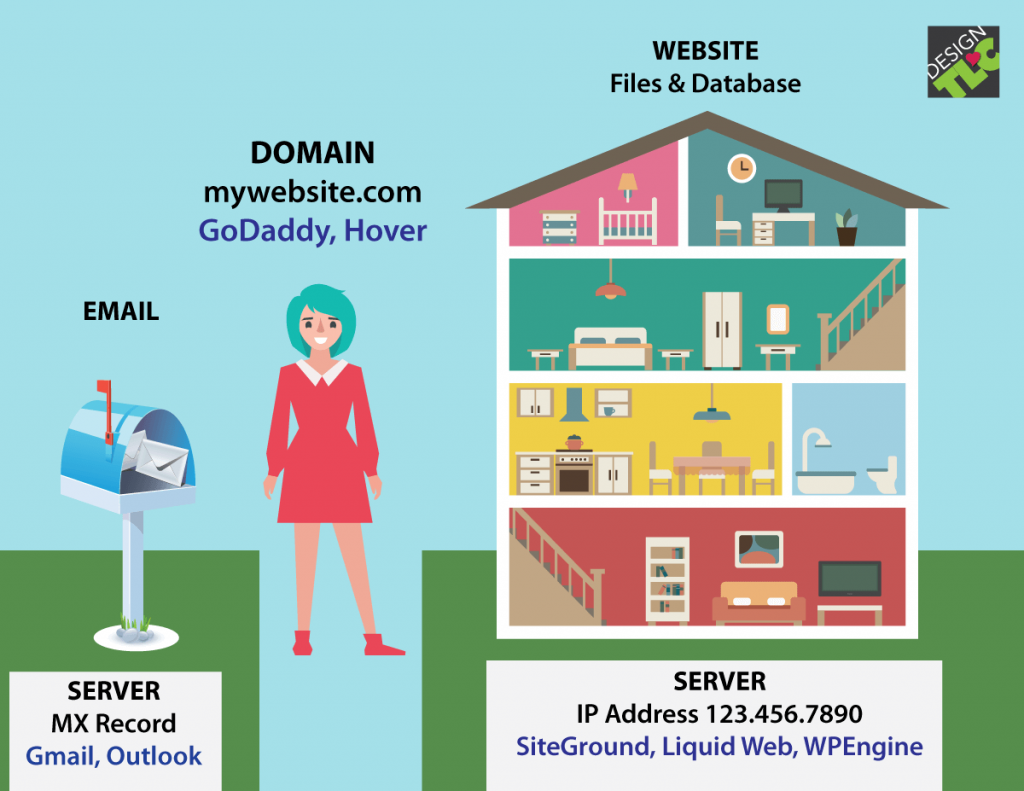
Credit: designtlc.com
Domain Host Basics
Understanding the basics of a domain host is key to managing a website. A domain host is a service that connects your website name to the internet. It stores your website files and makes them accessible online. Without a domain host, your site cannot be found by users or browsers.
Choosing the right domain host affects your website’s speed, security, and uptime. It also influences how easy it is to manage your site. Knowing the role and types of domain hosting helps you make a smart choice.
Role Of A Domain Host
A domain host stores your website’s data on powerful computers called servers. It links your domain name to the website’s files. This process allows visitors to access your site by typing your domain name. The host also manages traffic and keeps your site running smoothly. It offers tools for email, security, and backups.
Types Of Domain Hosting
Shared hosting means many websites share the same server. It is affordable but can be slower if traffic is high. VPS hosting gives you a private portion of a server. It offers better speed and control. Dedicated hosting provides an entire server for your site. It is best for large websites needing high performance. Cloud hosting uses many servers to host your site. It is flexible and reliable for growing websites.
Choosing The Right Domain Host
Look for a host with good uptime and fast loading speed. Check if they offer easy control panels and customer support. Consider what type of hosting fits your website size and needs. Security features like SSL certificates are also important. Compare prices but focus on the value and reliability offered. A good domain host makes managing your website easier.
Server Essentials
Understanding server essentials helps you grasp how websites stay online. Servers play a key role in hosting websites and storing data. Knowing what servers do makes web hosting clearer and easier to understand.
This section explains what a server is, the types used in hosting, and how servers work in web hosting.
What Is A Server
A server is a powerful computer that stores data and files. It responds to requests from other computers or devices. Servers deliver web pages, images, and files to users across the internet.
They run software that manages data and controls access to websites. Servers work 24/7 to keep websites available anytime.
Types Of Servers Used In Hosting
Several servers support different hosting needs. Shared servers host many websites on one machine. They are cost-effective but share resources.
Dedicated servers provide one website with all resources. They offer better speed and control but cost more. Virtual private servers (VPS) split one physical server into multiple virtual ones. Each acts like a dedicated server but is more affordable.
How Servers Work In Web Hosting
When a user types a website address, their browser sends a request to the server. The server finds the website files and sends them back to the browser. This process happens in seconds.
Servers use protocols like HTTP to communicate with browsers. They also handle security, backups, and updates to keep websites safe and running.
Web Hosting Explained
Web hosting is a service that makes your website available on the internet. It stores your website files on a server. When people visit your site, the server sends the files to their browser.
Choosing the right hosting type affects your website speed, security, and cost. Different hosting options suit different needs. Below are common types of web hosting.
Shared Hosting
Shared hosting means many websites share one server. It is the cheapest option. Good for small sites with low traffic. But resources like memory and bandwidth are shared. It may slow down if others use too much.
Vps Hosting
VPS stands for Virtual Private Server. It splits a server into multiple virtual servers. Each site gets dedicated resources. Faster and more secure than shared hosting. Suitable for medium-sized websites or growing businesses.
Dedicated Hosting
Dedicated hosting gives you a whole server to yourself. You get full control and all resources. Ideal for large websites with high traffic. More expensive but offers great speed and security.
Cloud Hosting
Cloud hosting uses many servers to host your site. It can handle traffic spikes easily. You pay for what you use. Reliable and flexible for websites that grow quickly.
Domain Hosting Vs Server Hosting
Understanding the difference between domain hosting and server hosting is important. Both play key roles in making websites work online. Each serves a unique purpose but they depend on each other to keep websites live and accessible. Knowing how they differ helps in choosing the right services for your website needs.
Key Differences
Domain hosting manages your website’s address or URL. It makes sure people can find your site by typing its name. Server hosting stores all your website files and data. It delivers this content to visitors when they open your website.
Domain hosting is like a phone book listing. Server hosting is like the phone itself. Without domain hosting, visitors cannot find your site easily. Without server hosting, your site will have no place to live.
How They Work Together
Domain hosting and server hosting work as a team. The domain points visitors to the server where your website files stay. The server sends these files to visitors’ browsers. This process happens quickly to load your website smoothly.
Both must be active and correctly set up for your site to work well. Domain hosting ensures the address is easy to remember. Server hosting guarantees the website content is available and secure. Together, they make your website accessible to everyone online.
Setting Up Your Website
Setting up your website involves a few important steps. Each step helps your site become visible on the internet. You need a domain name and a hosting service to start. These two work together to bring your website to life.
Registering A Domain
A domain is your website’s address on the internet. It is what people type to visit your site. Choose a name that is simple and easy to remember. Use a domain registrar to check if the name is available. Once you find a good name, register it by paying a fee. This fee is usually yearly.
Selecting A Hosting Plan
Hosting is where your website files are stored. A server holds these files so visitors can access them. Hosting plans vary by storage, speed, and price. Pick a plan that fits your website’s size and traffic needs. Many providers offer beginner-friendly plans with easy setup.
Linking Domain And Server
After buying a domain and hosting, you must link them. This step tells the internet where your website lives. Change the domain’s DNS settings to point to your server’s address. This process might take a few hours to update worldwide. Once linked, typing your domain will open your website.

Credit: www.geeksforgeeks.org
Common Hosting Features
Common hosting features help you understand what a domain host and server offer. These features affect your website’s speed, security, and overall experience. Knowing these features helps you pick the right hosting plan.
Storage And Bandwidth
Storage is the space where your website files live. It holds images, videos, and text. Bandwidth is the amount of data your website can send to visitors. Higher bandwidth means your site can handle more visitors without slowing down. Good hosting provides enough storage and bandwidth for your needs.
Security Measures
Security keeps your website safe from hackers and threats. Hosts use firewalls, SSL certificates, and malware scanning. These tools protect your data and your visitors. A secure host gives peace of mind and helps build trust with users.
Customer Support
Customer support helps solve problems fast. Good hosting offers 24/7 support by chat, phone, or email. Friendly and quick responses reduce downtime and stress. Reliable support is key for smooth website operation.
Troubleshooting Hosting Issues
Troubleshooting hosting issues is important for keeping websites online and fast. Hosting problems can cause websites to load slowly, show errors, or become unavailable. Knowing how to identify and fix these issues helps maintain a smooth user experience.
Many common hosting problems are easy to solve once you know what to check. This section explains typical issues and offers simple tips to resolve them quickly.
Common Problems
Slow website loading is a frequent issue. It can result from high server traffic or limited resources. Another common problem is error messages like 500 Internal Server Error or 404 Not Found. These errors often mean server misconfiguration or missing files. Downtime is also a major concern. It happens when servers crash or lose connection. Security issues like hacking attempts can also disrupt hosting.
Tips For Resolution
Start by checking your internet connection and browser cache. Clear cache to see recent changes. Use online tools to test server response time and uptime. Review error logs to find causes of server errors. Increase server resources if your site gets heavy traffic. Update software and plugins to avoid compatibility problems. Contact your hosting provider for help if issues persist. Use security plugins to protect your site from attacks.
Future Trends In Hosting
The future of domain hosting and servers is changing fast. New trends are shaping how websites and applications run online. These changes aim to make hosting faster, safer, and more reliable. Companies and users will see big benefits from these advances.
Understanding these future trends helps businesses and individuals prepare for better web experiences. The hosting world is moving beyond traditional servers to smarter, more flexible solutions.
Emerging Technologies
New technologies like artificial intelligence and automation are becoming common in hosting. AI helps manage server resources efficiently and predict issues before they happen. Automation reduces manual work, saving time and cutting errors. These tools improve website uptime and speed.
Another trend is the use of containerization. Containers allow apps to run smoothly across different environments. This makes hosting simpler and more scalable. As these technologies grow, hosting services will become more powerful and easier to use.
Impact Of Cloud And Edge Computing
Cloud computing continues to change hosting by offering flexible resources on demand. Users can scale their websites up or down quickly without buying hardware. Cloud hosting also improves data backup and disaster recovery options.
Edge computing brings data processing closer to users. This reduces delays and speeds up content delivery. It is especially useful for sites with global visitors. Combining cloud and edge computing creates a faster, more responsive web experience.
Credit: www.youtube.com
Frequently Asked Questions
What Is The Difference Between Domain Host And Server?
A domain host manages your website’s domain name registration. A server stores and delivers your website files to visitors. Both work together to make your site accessible online.
How Does A Domain Host Affect Website Performance?
A domain host controls your domain’s DNS settings. Proper DNS management ensures fast and reliable website access, improving user experience and SEO rankings.
Can I Use Any Server With My Domain Host?
Yes, you can use any server with your domain host. Just update your domain’s DNS records to point to the server’s IP address.
Why Is A Server Essential For My Website?
A server stores your website’s files and data. It processes visitor requests and delivers content, making your website accessible 24/7 globally.
Conclusion
Understanding domain hosts and servers helps you manage websites better. Domains give your site a name people can find easily. Servers store your website files and show them online. Both work together to keep your website live and fast. Knowing their roles makes web hosting less confusing.
Choose reliable services for smooth website performance. This knowledge helps you create and maintain your online presence with confidence.


