

Have you ever wondered if your domain name is the same as your website host? Many people mix these two up, but understanding the difference can save you time, money, and headaches.
If you want your website to run smoothly and avoid costly mistakes, you need to know exactly what role your domain name plays—and how it connects to your hosting. Keep reading, because getting this right could be the key to your online success.
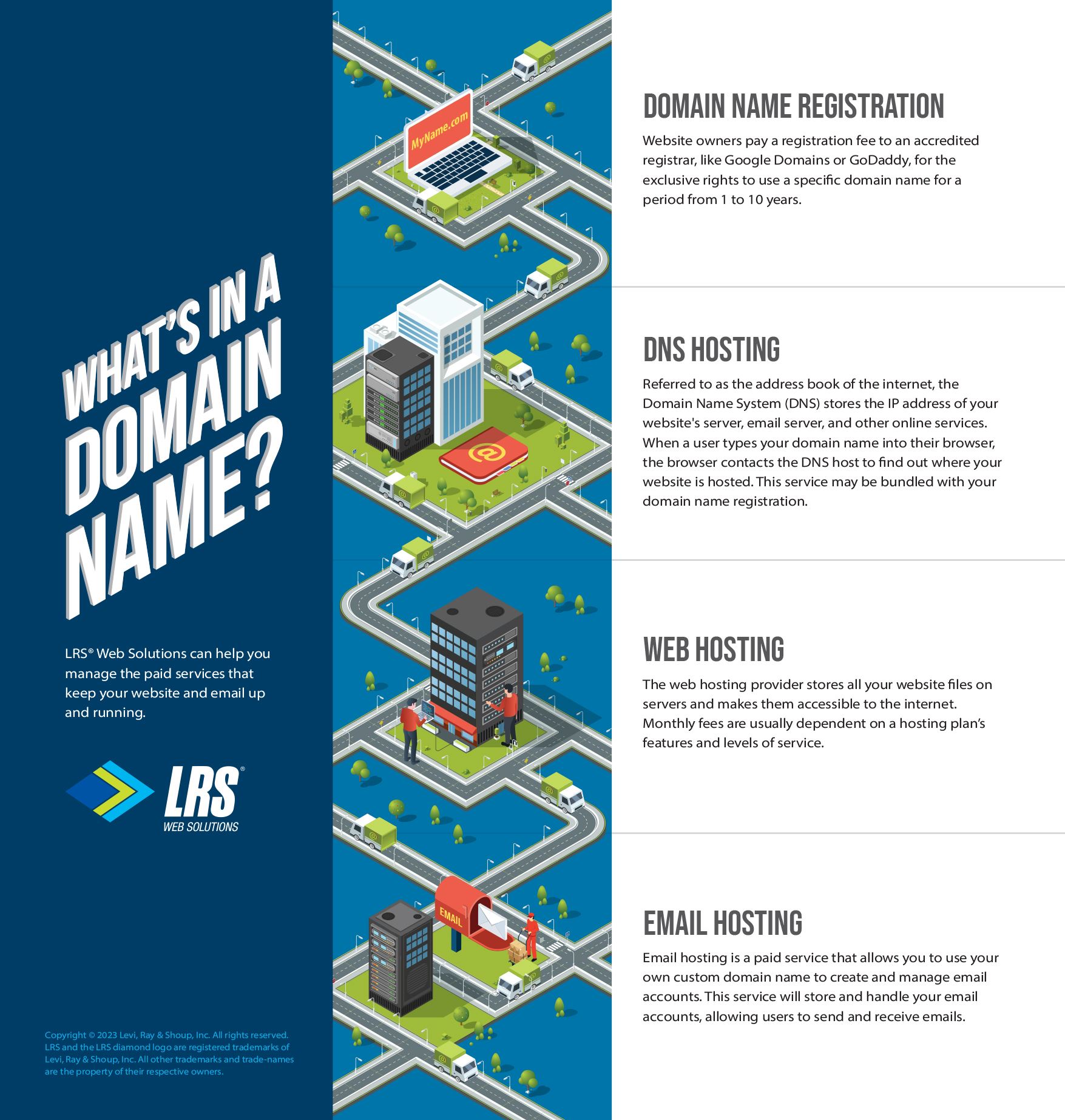
Credit: www.lrswebsolutions.com
Domain Name Basics
Understanding domain name basics is key to building a website. A domain name is more than just a web address. It helps people find your site online. Knowing how domain names work clears up common confusions about hosting and ownership.
What Is A Domain Name
A domain name is the address people type to visit a website. It looks like www.example.com. Each domain name is unique. No two websites can have the same domain name. It acts like a phone number but for the internet.
Domain names consist of two parts. The first is the name itself, like “example”. The second part is the extension, such as “.com” or “.org”. These extensions show the type or location of the website.
How Domain Names Work
When someone enters a domain name, the internet finds the website’s server. This happens through a system called DNS (Domain Name System). DNS translates the domain name into an IP address. The IP address tells the browser where the website lives.
Domain names and web hosting are different. A domain name points to the hosting server but does not store the website. Hosting is where the website’s files and data are kept. Without hosting, a website cannot appear online, even with a domain name.

Credit: www.greengeeks.com
Website Hosting Explained
Understanding website hosting is important when setting up a website. Many people confuse domain names with website hosting. They are not the same. A domain name is the address of your website. Website hosting is the service that stores your website files. This section explains what website hosting means and its role.
Role Of A Web Host
A web host stores all your website files on a server. This server is a powerful computer connected to the internet. When someone types your domain name, the host sends your website files to their browser. Without hosting, your website cannot appear online. The web host ensures your site is always available and loads quickly.
Web hosts also offer security features. They protect your website from hackers and data loss. Many hosts provide tools to help manage your website easily. Their role is crucial for your website’s performance and safety.
Types Of Hosting Services
Hosting comes in different types. Each suits different needs and budgets. Shared hosting is the most common. It means many websites share one server. This option is affordable and good for small sites.
VPS hosting offers more power. It divides a server into smaller parts. Each part works as a separate server. This gives better speed and control.
Dedicated hosting means you rent an entire server. It is the fastest and most secure option. Big websites or those with high traffic use it.
Cloud hosting uses many servers connected together. It offers great flexibility and can handle traffic spikes well.
Domain Name Vs. Web Hosting
Many people mix up domain names and web hosting. Both are needed for a website. But they serve very different purposes. Understanding their roles helps you manage your site better.
Key Differences
A domain name is your website’s address. It is what people type in the browser to visit your site. For example, “example.com” is a domain name.
Web hosting is where your website lives. It is a service that stores your website files on a server. The server delivers these files to visitors.
Without a domain name, visitors would need your IP address to find your site. Without web hosting, your site has no place to exist online.
How They Work Together
The domain name points to the web hosting server. This connection helps browsers find your website easily. The domain translates into the server’s IP address.
Web hosting ensures your website content is available 24/7. The domain makes sure visitors can reach that content with a simple name.
Both must be set up correctly to make your website live. They work as a team to bring your site to the internet.
Common Misconceptions
Many people mix up domain names and website hosting. This confusion leads to wrong assumptions about how websites work. Understanding the difference helps in setting up a website correctly. Let’s explore some common misconceptions about domain names and hosting.
Why They Are Often Confused
Domain names and hosting both relate to websites. This makes it easy to think they are the same. A domain name is the website’s address on the internet. Hosting is where the website’s files are stored. Both work together but serve different purposes. This close connection causes many to confuse them.
Another reason is that some companies sell both services. Customers buy a domain and hosting from the same provider. This can make it hard to see the difference between the two.
Impact On Website Setup
Confusing domain name with hosting can delay website setup. People may think buying a domain is enough to launch a website. But without hosting, the website cannot appear online. Setting up hosting is essential to store and run website files.
This confusion can also lead to buying unnecessary services. Some users pay for hosting without needing it or struggle to connect their domain to the hosting. Knowing the roles of each helps avoid extra costs and technical issues.
How To Choose The Right Provider
Choosing the right provider for your domain name and website hosting is important. These services work together but are not the same. Picking the right companies helps your website run smoothly and stay online without trouble.
This section explains how to select a domain registrar and a web host. Each step matters for your website’s success and ease of use.
Selecting A Domain Registrar
A domain registrar sells and manages domain names. Choose a registrar with a simple, clear interface. This makes buying and managing your domain easy. Check for good customer support. It helps if you face any problems. Look for registrars with low prices and no hidden fees. Also, see if they offer privacy protection to keep your information safe.
Picking A Web Host
A web host stores your website’s files and shows them online. Choose a host with fast, reliable servers. Slow servers can make your website load slowly. Find a host with good customer service. You want help if your site goes down or has issues. Check for security features like backups and SSL certificates. These keep your site safe. Compare prices, but avoid the cheapest if it means poor service.
Connecting Domain To Hosting
Connecting your domain to your web hosting is a key step in making your website live. Without this link, visitors cannot find your site by typing your domain name. This connection tells the internet where your website files are stored.
The process involves updating settings that guide internet traffic. It ensures that when someone enters your domain, they reach your hosted website. This task is simple once you understand the basic steps.
Dns Settings Explained
DNS stands for Domain Name System. It acts like a phone book for the internet. DNS translates your domain name into an IP address. This address points to your web hosting server.
Your domain registrar manages DNS settings. You need to change these settings to connect your domain to hosting. The key part is updating the nameservers. Nameservers tell the internet where your website lives.
Step-by-step Linking Process
First, log in to your domain registrar account. Find the DNS or nameserver settings section.
Next, get the nameserver details from your web hosting provider. These usually look like ns1.example.com and ns2.example.com.
Replace the current nameservers with the hosting provider’s nameservers. Save your changes.
Wait for DNS propagation. This can take a few minutes to 48 hours. After that, your domain will point to your hosting server. Visitors can access your website using your domain name.
Managing Domain And Hosting Separately
Managing your domain name and website hosting separately means buying them from different companies. This approach offers flexibility and control. You decide who handles your domain and who manages your website files. Many website owners choose this method for various reasons.
Benefits Of Separate Providers
Using different providers gives you more freedom. You can pick the best domain registrar and the best hosting service independently. It also helps if one service faces problems. Your website can stay online while fixing domain issues. This setup can improve security by reducing risks in one place. Managing renewals separately means less chance of losing both at once.
Potential Challenges
This method needs some technical know-how. You must connect your domain to your host correctly. Mistakes in DNS settings can cause website downtime. Managing accounts on two platforms can be confusing. Support teams may not assist with issues outside their services. Careful tracking of expiration dates is necessary to avoid disruptions.

Credit: www.webhostinghub.com
Tips For Smooth Website Launch
Launching a website can feel exciting and stressful. Proper planning helps your site go live without issues. Avoiding common mistakes and ensuring good performance are key. These tips guide you for a smooth start.
Avoiding Common Pitfalls
Choose a domain name that matches your brand clearly. Avoid names that are long or hard to spell. Check your domain and hosting compatibility before buying. Test your website on different devices early. Backup your site regularly to prevent data loss. Secure your site with an SSL certificate. This builds trust and improves search rankings. Plan your website content in advance to avoid delays.
Ensuring Reliable Performance
Select a reliable hosting provider with good uptime records. Fast loading speed keeps visitors interested. Compress images and optimize files for quick loading. Use a content delivery network (CDN) for global reach. Monitor your website’s speed and fix slow areas. Keep your website software and plugins updated. Regular maintenance helps avoid crashes and bugs.
Frequently Asked Questions
What Is The Difference Between Domain Name And Website Hosting?
A domain name is your website’s address on the internet. Website hosting is where your website files are stored. They are separate services but both are essential for a website to function properly.
Can A Domain Name Host A Website By Itself?
No, a domain name cannot host a website alone. It only directs visitors to the hosting server where your website files reside.
Do I Need Both Domain Registration And Web Hosting?
Yes, you need both. The domain name identifies your site, while hosting stores your website’s content and data.
How Do Domain Names And Hosting Work Together?
The domain name points users to your hosting server’s IP address. Hosting delivers your website content when visitors enter your domain name.
Conclusion
A domain name and a website host serve different roles online. Your domain is your website’s address, while hosting stores your site’s files. Both work together to make your website visible. Choose a reliable host to keep your site running smoothly.
Keep your domain name simple and easy to remember. Understanding this difference helps you build a stronger online presence. It also saves time and avoids confusion. Now you know how domain names and hosting fit together. Ready to make smart choices for your website?


