

Have you ever wondered if you can host your website’s domain on multiple hosts at the same time? It sounds tricky, right?
But understanding this could change the way you manage your site’s speed, security, and reliability. If you want to know whether it’s possible, how it works, and what benefits or risks you might face, keep reading. This article will clear up the confusion and give you simple answers you can use right away.
Your website deserves the best setup, and you’re about to find out how to make that happen.
Basics Of Domain Hosting
Understanding the basics of domain hosting helps clarify many questions. It explains how websites appear online. Knowing this is key when thinking about hosting one domain on multiple hosts.
What Is Domain Hosting
Domain hosting means storing your website files on a server. This server connects your site to the internet. It makes your website available for visitors. The host manages these servers and keeps them running.
Without hosting, a website cannot be accessed online. Hosting providers offer space and technology needed to run websites. Each domain points to a specific host that stores its data.
How Domain Hosting Works
When someone types a domain name, the internet looks for its host. The domain name system (DNS) directs the browser to the right server. The server then sends the website files back to the browser.
This process happens quickly, allowing web pages to load fast. Hosting servers store all the images, text, and code of a website. Different hosts have different speeds, security, and features.
Single Domain, Multiple Hosts
Hosting a single domain on multiple hosts means splitting your website’s files and services across different servers. This approach can improve performance, increase reliability, or offer backup options. It challenges the traditional idea that one domain must link to one host only. Many website owners wonder if this is possible and how it works.
Concept Of Multiple Hosting
Multiple hosting means using more than one server to manage a single website. Each host can handle different parts of the website or serve as a backup. This can help avoid downtime if one server fails. It also allows traffic to spread across servers, reducing load on any one host. The domain name stays the same, but the website’s content lives in different places.
Technical Possibilities
Technically, it is possible to connect one domain to multiple hosts. Techniques like load balancing and content delivery networks (CDNs) make this easier. Load balancers distribute visitors across servers to improve speed and availability. CDNs store copies of your site on many servers around the world. DNS settings can also be adjusted to point the domain to multiple IP addresses. These methods need careful setup to avoid conflicts or errors.
Dns And Hosting Configuration
DNS and hosting configuration play a key role in managing websites across multiple servers. Understanding how DNS works helps in setting up your domain to point to different hosts. This setup can improve website speed and availability by spreading traffic.
Proper DNS configuration ensures your domain name directs visitors correctly. It controls which server answers requests from users. Configuring DNS for multiple hosts requires careful planning and clear settings.
Role Of Dns In Hosting
DNS translates domain names into IP addresses. It tells browsers where to find your website. Without DNS, users must remember hard IP numbers.
Each domain has DNS records that guide traffic. These records include A, CNAME, and MX types. They help route visitors to the correct hosting server.
DNS manages how requests reach different servers. It can balance traffic or direct users to the nearest host. This function is vital for hosting on multiple servers.
Configuring Dns For Multiple Hosts
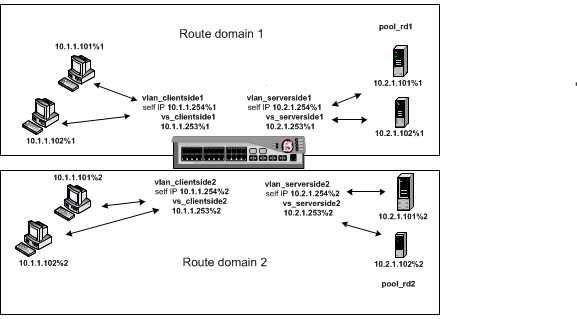
Setting DNS for multiple hosts means creating records for each server. You can assign different IP addresses for your domain.
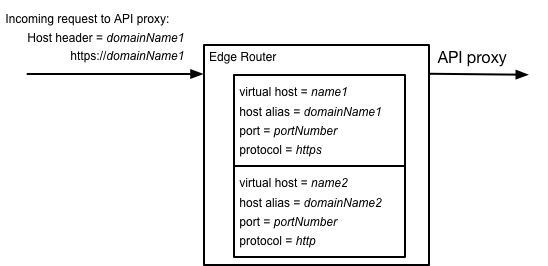
One method uses load balancing with multiple A records. This spreads visitors across several hosts evenly. Another method is using subdomains for each host.
DNS settings must match your hosting setup exactly. Incorrect records can cause downtime or lost visitors. Monitor DNS changes carefully to keep your site live.
Credit: techdocs.f5.com
Benefits Of Hosting On Multiple Servers
Hosting the same domain on multiple servers offers several benefits. It helps make websites stronger and faster. This setup can protect your site from problems and improve user experience. Here are some key advantages of hosting on multiple servers.
Improved Reliability
Using multiple servers reduces the chance of downtime. If one server fails, others keep the website running. Visitors can access your site without interruption. This setup is good for businesses that need constant online presence.
Load Balancing
Multiple servers share the traffic load. This prevents one server from getting too busy. Visitors get faster access to your site. Load balancing helps handle many users at once without slowing down.
Geographic Distribution
Servers placed in different locations serve visitors nearby. This reduces loading time for people far from the main server. Geographic distribution also protects against local outages. It makes your site faster for users worldwide.
Challenges And Risks
Hosting the same domain on multiple hosts brings several challenges and risks. These problems affect the site’s performance and reliability. Understanding these issues helps in making smart decisions about hosting setups.
Data Synchronization Issues
Keeping data the same across different hosts is tough. Files and databases can get out of sync. Visitors might see old or wrong information. Sync errors cause confusion and hurt user trust.
Increased Complexity
Managing multiple hosts adds layers of difficulty. Each server needs separate setup and maintenance. Tracking changes and updates is harder. More complexity means higher chances of mistakes.
Potential Downtime
Multiple hosts do not guarantee zero downtime. If syncing fails, parts of the site may go offline. Users can face broken pages or errors. Downtime harms reputation and search rankings.
Expert Hosting Strategies
Expert hosting strategies help manage websites on multiple hosts efficiently. They improve site speed, reliability, and uptime. These methods suit businesses with high traffic or critical online services. Understanding these strategies ensures a smooth experience for visitors.
Using Cdn Services
Content Delivery Networks (CDNs) store copies of your site worldwide. They deliver content from the nearest server to users. This reduces load times and server strain. CDNs work alongside your main hosts. They balance traffic and protect against sudden spikes. Many popular sites use CDN for faster access.
Implementing Failover Systems
Failover systems switch traffic to a backup host if the main one fails. This keeps your website online without interruption. It requires monitoring and quick detection of issues. Automated failover reduces downtime and user frustration. This system is vital for websites needing constant availability.
Hybrid Hosting Models
Hybrid hosting combines multiple hosting types, like cloud and dedicated servers. It spreads your website across different environments. This approach improves flexibility and resource use. Hybrid models can separate static and dynamic content. They optimize costs and performance together.
Case Studies And Examples
Hosting the same domain on multiple hosts is a strategy used by many websites. It helps improve speed, reliability, and handling of large traffic. Real-world examples show how this works in different industries. The following case studies highlight practical uses and benefits.
Large Scale Websites
Big websites like news portals and social networks often use multiple hosts. They split the site into parts and host each on different servers. This reduces load and prevents downtime. For example, Facebook uses many data centers worldwide. Each center handles specific functions, making the site fast and stable.
Large websites also use content delivery networks (CDNs). CDNs serve static files from multiple hosts closer to users. This setup improves user experience by cutting delays.
E-commerce Platforms
Online stores need fast and reliable hosting to keep customers happy. Many e-commerce platforms use multiple hosts to separate databases, payment systems, and product pages. This setup secures sensitive data and keeps the site running smoothly.
Shopify and Amazon use this method. They distribute hosting to handle huge traffic during sales or holidays. This prevents crashes and lost sales.
Media Streaming Services
Streaming services like Netflix and Spotify rely on multiple hosts. They use many servers worldwide to stream videos and music without buffering. By hosting on various servers, they can manage millions of users at once.
These services also use CDNs to deliver content faster. Multiple hosts help balance the load and reduce the risk of service failure.
Credit: docs.apigee.com
Future Trends In Domain Hosting
The world of domain hosting is changing fast. New technologies make hosting easier, safer, and faster. Many businesses want to use multiple hosts for the same domain. This can improve speed and reliability. The future holds many exciting trends in domain hosting. These trends will shape how websites are managed and hosted.
Cloud Hosting Advances
Cloud hosting grows stronger every year. It offers flexible resources and better uptime. Hosting on the cloud means websites can handle more visitors. Data is spread over many servers, reducing downtime. Cloud providers improve their services with better security. This makes hosting safer for all users. Cloud hosting helps businesses scale quickly without extra cost.
Decentralized Hosting Solutions
Decentralized hosting is gaining attention. It uses multiple locations and networks instead of one central server. This spreads the risk and increases control. Websites become harder to block or shut down. It also improves privacy for users. Blockchain technology often supports decentralized hosting. This method can host the same domain on multiple servers safely.
Ai-driven Hosting Management
Artificial intelligence is changing hosting management. AI can monitor servers and fix problems fast. It predicts traffic spikes and adjusts resources automatically. This keeps websites running smoothly all the time. AI also improves security by spotting threats early. It reduces manual work for hosting providers. AI makes hosting smarter and more efficient for everyone.

Credit: www.computernetworkingnotes.com
Frequently Asked Questions
Can One Domain Be Hosted On Multiple Servers Simultaneously?
Yes, a domain can point to multiple servers using DNS techniques like load balancing or failover. This improves availability and distributes traffic efficiently.
How Does Dns Manage Multiple Hosts For One Domain?
DNS uses records such as A, AAAA, or CNAME to direct traffic. Round-robin DNS can cycle requests across several IP addresses for the same domain.
What Are The Benefits Of Hosting On Multiple Hosts?
Hosting on multiple servers enhances uptime, load distribution, and fault tolerance. It ensures your site remains accessible during server outages or traffic spikes.
Are There Any Risks In Hosting A Domain On Multiple Hosts?
Risks include DNS misconfiguration and data inconsistency between servers. Proper setup and synchronization are essential to avoid downtime and errors.
Conclusion
Hosting the same domain on multiple hosts can work but needs care. You must manage DNS settings clearly to avoid conflicts. This setup can improve speed and reliability if done right. Keep backups and monitor performance often for best results.
It is not common but possible with the right tools. Think about your website’s needs before choosing this method. It can be useful but also complex for beginners. Choose wisely to keep your site running smoothly and fast.


