Are you looking to boost your WordPress site’s credibility and connect with a wider professional audience? Adding LinkedIn to your WordPress can be a game-changer.
It’s not just about slapping on a social icon—it’s about creating trust, showcasing your expertise, and opening doors to new opportunities. You’ll discover simple, step-by-step ways to seamlessly integrate LinkedIn into your website. Ready to make your online presence stronger and more professional?
Let’s dive in and get your LinkedIn shining on your WordPress site.

Credit: tagembed.com
Benefits Of Linkedin Integration
Integrating LinkedIn with your WordPress site brings several advantages. It helps connect your professional profile with your website. This link builds trust and shows your expertise. The integration also opens doors to a broader audience. It creates opportunities for more visits and interactions. Below are key benefits of adding LinkedIn to WordPress.
Boosting Professional Credibility
LinkedIn integration shows your real professional background. Visitors see your work history and skills easily. This builds trust with potential clients or partners. Your site looks more reliable and authentic. It proves you are active in your field.
Expanding Network Reach
Linking LinkedIn helps you connect with more people. Visitors can follow your profile directly from your site. This grows your professional network quickly. A larger network means more chances for collaboration. It opens paths to new business or job opportunities.
Driving Traffic To Your Site
LinkedIn posts can include links to your WordPress site. This brings visitors who are interested in your content. Traffic increases as your network shares your posts. More visitors mean better chances to convert leads. It helps your website rank higher in search results.
Preparing Your Linkedin Profile
Preparing your LinkedIn profile is a key step before linking it to your WordPress site. This helps visitors find and connect with you easily. A clear, professional profile builds trust and shows your expertise.
Optimizing Profile Details
Start by updating your profile picture. Use a clear, professional photo. Add a headline that describes your job or skills. Keep it short but descriptive. Write a summary that highlights your experience and goals. Use simple words. List your current job and past roles. Include skills that match your work. Check for any spelling mistakes. A well-organized profile attracts more views.
Creating A Public Profile Url
Your LinkedIn URL should be simple and easy to remember. Go to your profile settings and find the option to edit your public URL. Choose a version with your name or business. Avoid numbers or symbols. A clean URL looks professional and is easier to share on your WordPress site. This helps visitors find your profile quickly.
Choosing The Right Integration Method
Choosing the right method to add LinkedIn to your WordPress site is important. Different methods suit different needs and skill levels. Some ways are quick and simple. Others offer more control and features. Pick the method that fits your website goals and technical comfort.
Using Linkedin Plugins
LinkedIn offers official plugins for easy integration. These plugins let you display your profile, company page, or share buttons. You only need to copy and paste a small code snippet. This method does not require coding skills. It works well for basic LinkedIn features on your site.
Embedding Linkedin Widgets
LinkedIn widgets are small apps that show feeds or profiles. You can customize these widgets on LinkedIn’s developer site. After customization, you get a code to embed on your WordPress page. This method adds dynamic content that updates automatically. It suits users who want fresh LinkedIn content on their site.
Installing WordPress Linkedin Plugins
Many third-party plugins connect LinkedIn with WordPress. These plugins offer more features like auto-posting or lead generation. You can find them in the WordPress plugin directory. Installation is simple: search, install, activate, and configure. This method fits users who want advanced LinkedIn tools on WordPress.
Credit: www.greengeeks.com
Step-by-step Integration Guide
Adding LinkedIn to your WordPress site helps connect with visitors professionally. This guide shows simple steps to add LinkedIn features on your site. Follow each step to make your site more interactive and trustworthy.
Adding Linkedin Profile Link
First, get your LinkedIn profile URL. It looks like linkedin.com/in/yourname. Log in to WordPress and open the editor for the page or post.
Highlight the text where you want the link. Click the link icon in the toolbar. Paste your LinkedIn URL and save. Visitors can now visit your LinkedIn profile directly.
Embedding Linkedin Share Button
Go to LinkedIn’s official Share Button page. Customize your button style and size. Copy the generated HTML code provided.
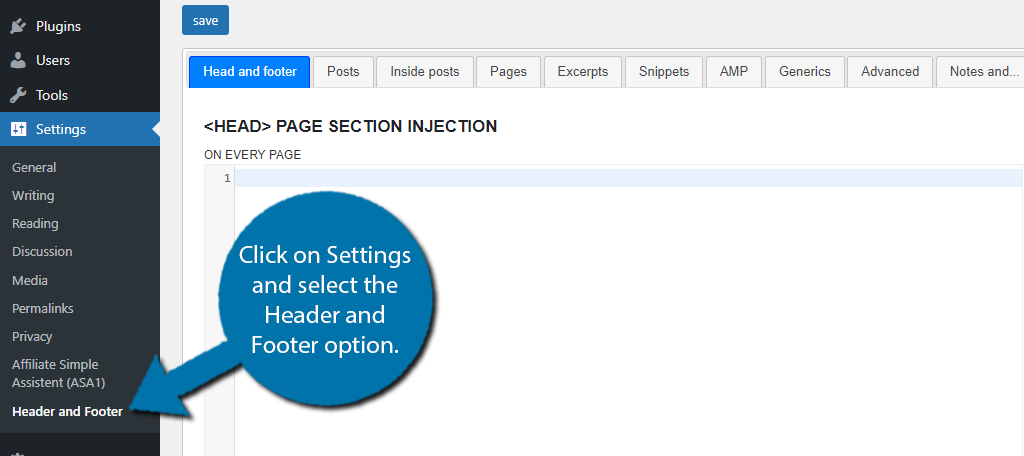
In WordPress, open the page editor. Switch to the HTML or code view. Paste the copied code where you want the button to appear. Update the page to see the Share button live.
Inserting Linkedin Follow Button
Visit LinkedIn’s Follow Company Plugin page. Enter your LinkedIn company page URL. Choose button size and layout. Copy the code shown.
On WordPress, open the editor for your sidebar or footer widget area. Use a Custom HTML widget. Paste the code inside and save. Your visitors can now follow your LinkedIn page easily.
Displaying Linkedin Posts On WordPress
LinkedIn does not offer direct embedding for posts like other platforms. Use a plugin such as “Feed Them Social” to show LinkedIn posts. Install and activate the plugin.
Connect the plugin to your LinkedIn account. Select the posts you want to display. Add the plugin shortcode to your page or post. Your LinkedIn updates will appear on your website automatically.
Customizing Linkedin Features On WordPress
Customizing LinkedIn features on WordPress helps match your site’s style and needs. Tailoring these features improves user experience and keeps visitors engaged. Simple adjustments make LinkedIn buttons and feeds fit better with your website design. This section covers how to change button styles, display options, and mobile optimization.
Adjusting Button Styles
Change LinkedIn button colors to match your website palette. Select button sizes that fit your page layout without crowding. Choose between different button shapes, such as square or rounded corners. Use CSS to fine-tune fonts, padding, and margins for a polished look. Keep button styles consistent with your site’s theme for a smooth user experience.
Setting Display Options
Decide which LinkedIn features to show, such as share buttons or profile badges. Control the placement of these features on your pages or posts. Set the number of connections or followers to display for social proof. Hide or show buttons on specific pages to avoid clutter. These options help balance visibility and design simplicity.
Optimizing For Mobile Devices
Ensure LinkedIn buttons resize correctly on smaller screens. Use responsive design settings to adapt layouts for phones and tablets. Test button touch areas to make them easy to tap. Avoid large images or heavy scripts that slow down mobile loading. Mobile optimization keeps your LinkedIn features user-friendly everywhere.
Credit: www.greengeeks.com
Troubleshooting Common Issues
Adding LinkedIn to WordPress can sometimes cause issues. These problems can stop your LinkedIn content from showing correctly. Troubleshooting helps fix these errors fast. This section covers common problems and clear solutions. Follow these tips to keep your LinkedIn integration smooth and working well.
Fixing Display Errors
Display errors often happen due to wrong embed codes. Check the LinkedIn URL you copied. Make sure it is complete and correct. Clear your browser cache to see recent changes. Sometimes, slow internet causes loading issues. Refresh the page or try another browser. Also, make sure LinkedIn content is public. Private content will not show on your site.
Resolving Plugin Conflicts
WordPress plugins can clash with LinkedIn embeds. Deactivate other plugins one by one to find the conflict. Focus on plugins that affect social media or scripts. Update all plugins to their latest versions. Old plugins often cause bugs. Use a plugin conflict checker tool for quick help. After fixing conflicts, test your LinkedIn content again.
Ensuring Compatibility With Themes
The WordPress theme can affect LinkedIn display. Some themes block external scripts or styles. Switch to a default theme like Twenty Twenty-One for testing. If LinkedIn works there, your theme may need adjustments. Contact your theme developer for support. Keep your theme updated for best results. Use child themes to safely customize without losing changes.
Tips For Maximizing Linkedin Integration
Integrating LinkedIn with your WordPress site can boost your professional presence. It helps share updates, connect with visitors, and grow your network. To get the most from this integration, follow these simple tips.
These steps will keep your LinkedIn content fresh, engage your audience, and track your success.
Regularly Updating Content
Keep your LinkedIn feed active by posting updates often. Share news, articles, and achievements to stay visible. Fresh content attracts more visitors and builds trust. Avoid long gaps between posts to maintain interest.
Update your WordPress site to reflect your latest LinkedIn activity. This shows you are active and engaged professionally.
Encouraging Visitor Engagement
Invite visitors to connect or follow your LinkedIn profile. Use clear calls to action like “Follow us on LinkedIn” or “Join the conversation.”
Respond to comments and messages promptly. Interaction makes visitors feel valued and encourages them to return.
Monitoring Analytics And Performance
Track how LinkedIn integration impacts your site traffic and engagement. Use tools like Google Analytics and LinkedIn’s own analytics.
Check which posts get the most clicks or shares. Use this information to improve your content strategy. Regular monitoring helps you focus on what works best.
Frequently Asked Questions
How Do I Add Linkedin To My WordPress Site?
To add LinkedIn to WordPress, use plugins like “WP LinkedIn” or embed LinkedIn badges. This boosts your professional presence and engagement.
Can I Display My Linkedin Profile On WordPress?
Yes, you can display your LinkedIn profile using widgets or embed codes. This helps visitors connect with your professional network easily.
What Is The Best Plugin To Integrate Linkedin?
“WP LinkedIn” and “Smash Balloon Social Post Feed” are popular plugins. They offer easy setup and customizable LinkedIn feed displays on WordPress.
How To Add Linkedin Share Button On WordPress?
Use plugins like “AddToAny” or manually insert LinkedIn share button code. This encourages visitors to share your content professionally.
Conclusion
Adding LinkedIn to your WordPress site boosts your online presence. It helps visitors connect with your professional profile easily. The steps are simple and do not need technical skills. Choose the method that fits your site best. Keep your LinkedIn information updated for the best results.
This small change can improve your site’s trust and networking power. Start adding LinkedIn today and see the difference it makes.