
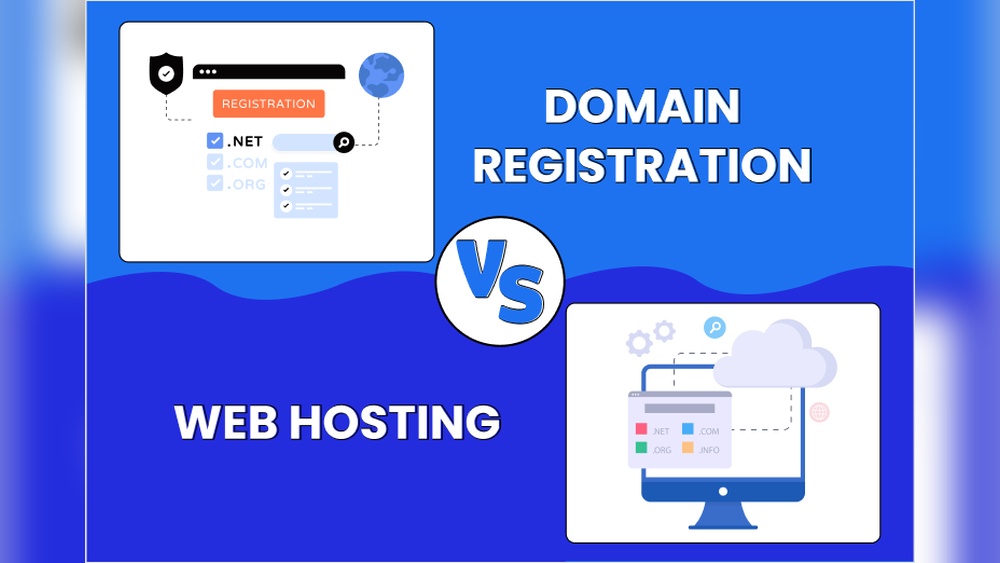
Are you ready to put your website on the internet but feel lost about where to start? Understanding domain registration and hosting is the key to getting your site live and visible.
Think of your domain as your website’s address, and hosting as the home where your website lives. Without these two, your site can’t be found or accessed by anyone. You’ll discover exactly what domain registration and hosting mean, why they matter, and how they work together to bring your online presence to life.
Keep reading, and you’ll gain the confidence to take the first step toward building your own website.
Domain Registration Basics
Domain registration is the first step to creating a website. It means reserving a unique name on the internet. This name helps visitors find your site easily. Understanding how domain registration works is key to starting your online presence.
Choosing the right domain name takes thought. It should be simple, clear, and reflect your brand or purpose. Knowing popular domain extensions can help in making the best choice.
What Is A Domain Name
A domain name is the address people type in a browser. It points to your website. For example, in www.example.com, “example.com” is the domain name.
It replaces the need to remember complex numbers called IP addresses. A good domain name makes your site easy to find and remember.
How Domain Registration Works
Domain registration means booking your domain name through a registrar. A registrar is a company authorized to sell domain names.
You check if your chosen domain is free. If available, you pay to register it for a period, usually one year.
Once registered, the domain belongs to you for that time. You must renew it to keep ownership.
Choosing The Right Domain
Pick a domain name that is short and easy to spell. Avoid numbers or special characters that confuse people.
Use keywords if possible, to describe your business or site topic. This can help with search engines.
Consider your audience and choose a name that fits their language and culture.
Popular Domain Extensions
Domain extensions come after the name, like .com or .org. They show the type or location of the website.
.com is the most common and trusted extension. It suits most websites.
.org is often used by non-profit organizations. .net is popular among tech companies.
Country-specific extensions like .us or .uk show a local presence. Choose one that matches your target audience.
Credit: www.hostinger.com
Domain Registrars And Their Role
Domain registrars play an important role in creating your website’s identity. They are companies that allow you to buy and register domain names. A domain name is your website’s address on the internet. Without it, visitors cannot find your site easily.
Registrars manage domain names and keep records of who owns each one. They ensure the domain is unique and not taken by someone else. When you register a domain, the registrar handles all the paperwork and technical steps.
Top Domain Registrars
Some registrars are popular because of their reliability and ease of use. Examples include GoDaddy, Namecheap, and Google Domains. These companies offer simple tools to search for and buy domains. They also provide customer support to help with any issues. Choosing a well-known registrar ensures better service and security.
Domain Privacy Protection
Domain privacy protection hides your personal details from the public. When you register a domain, your name and contact information become visible in the WHOIS database. Privacy protection replaces your info with the registrar’s data. This prevents spam, scams, and unwanted calls. Many registrars offer this service for free or at a low cost.
Renewal And Transfer Process
Domains are rented, not owned forever. You must renew your domain before it expires. Registrars send reminders to avoid losing your domain. Transferring a domain means moving it from one registrar to another. This can happen if you want better prices or services. The process requires authorization codes and usually takes a few days.
Web Hosting Essentials
Web hosting is a key part of having a website. It means storing your website’s files on a server. These servers are powerful computers that work 24/7. They make your website available to visitors anytime. Without web hosting, your website cannot be seen online.
Choosing the right hosting service affects your website’s speed and reliability. It also affects how many visitors your site can handle. Understanding hosting basics helps you pick the best option for your needs.
What Is Web Hosting
Web hosting is a service that stores your website files. It connects your site to the internet. This way, people can visit your pages using a web browser. Hosting providers own and manage servers. They keep your site online and secure.
Types Of Hosting Services
There are several hosting types. Shared hosting means many websites share one server. It is the cheapest but can be slower. VPS hosting gives you a virtual server. It offers more power and control. Dedicated hosting means you rent an entire server. It is fast and very reliable but costly. Cloud hosting uses many servers. It is flexible and can handle more visitors.
How Hosting Supports Websites
Hosting stores all your website data. It sends this data to users’ browsers. It manages traffic so your site does not slow down. Hosting also keeps your website safe from attacks. Good hosting improves your site’s speed. Fast websites keep visitors happy and improve search rankings.
Comparing Shared, Vps, And Dedicated Hosting
Choosing the right hosting type affects your website’s speed, security, and control. Shared, VPS, and dedicated hosting each offer different features. Understanding their differences helps you pick the best option for your needs.
Shared Hosting Features
Shared hosting means many websites share one server. It is the cheapest option available. Resources like memory and CPU are split among users. This setup suits small websites with low traffic. It offers easy setup and basic support. Performance can slow if other sites use too many resources. Limited control over server settings is common.
Vps Hosting Benefits
VPS stands for Virtual Private Server. It splits a server into virtual parts for different users. Each user gets dedicated resources like CPU and RAM. This improves speed and reliability. VPS offers more control than shared hosting. Users can install custom software and change settings. It suits growing websites needing better performance and control. Costs more than shared but less than dedicated hosting.
Dedicated Hosting Advantages
Dedicated hosting gives you an entire server alone. You have full control over hardware and software. This option provides the highest speed and reliability. It is ideal for large websites with heavy traffic. Security is stronger since no one else uses your server. Dedicated hosting costs the most but offers unmatched power. You can customize everything to fit your needs exactly.
Choosing The Right Hosting Provider
Choosing the right hosting provider is a key step in building your website. Your host affects your site’s speed, uptime, and security. A good host helps your website run smoothly and keeps visitors happy.
Many options exist, but not all hosts offer the same features or support. Picking the right one saves money and trouble later. Focus on what matters most for your needs.
Key Factors To Consider
Check uptime guarantees to avoid your site going offline. Look for fast server speeds for better user experience. Ensure the host offers strong security features like SSL and backups. Customer support should be available 24/7 and easy to reach. Consider how easy it is to upgrade your plan if your site grows.
Popular Hosting Companies
Some well-known hosts include Bluehost, SiteGround, and HostGator. These companies offer reliable service and good support. They provide tools for beginners and advanced users. Many hosts have data centers worldwide for faster loading. Read reviews to see how other users rate their service.
Pricing And Plans
Hosting costs vary based on features and resources. Shared hosting is cheaper but may have limits. VPS or dedicated hosting costs more but offers better performance. Look for plans that fit your budget and needs. Beware of low prices with few features or hidden fees.

Credit: docs.oracle.com
Connecting Domain And Hosting
Connecting your domain and hosting is a key step to make your website live. The domain is your website’s address. Hosting is where your website files live. Both must work together for visitors to see your site.
Without this connection, typing your domain won’t open your website. This section explains how to link your domain and hosting properly.
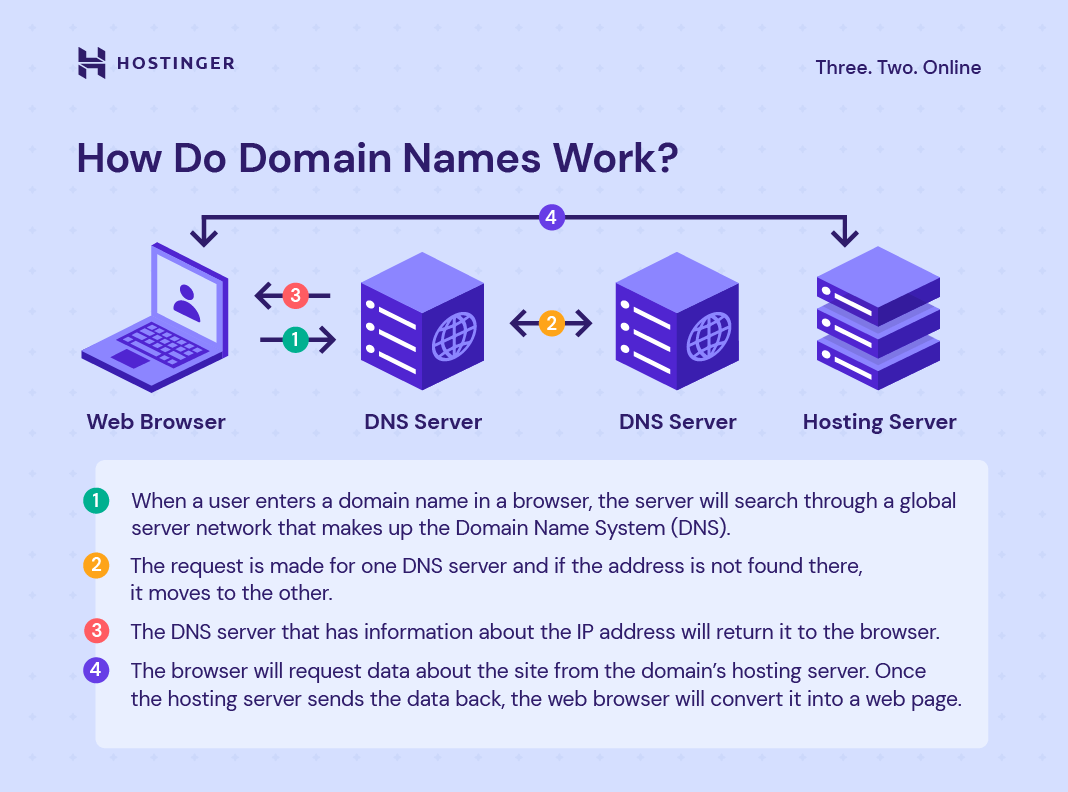
Domain Name System (dns) Explained
The Domain Name System, or DNS, acts like the internet’s phone book. It translates your domain name into an IP address. This IP address tells browsers where your website files are stored.
DNS records contain important details. These include A records, CNAME, and MX records. The most important for websites is the A record. It points your domain to your hosting server’s IP address.
Pointing Domain To Hosting
Pointing your domain means updating DNS settings. You change the A record to match your hosting server’s IP address. This directs visitors to the right place.
Many hosting providers also offer nameservers. You can update your domain’s nameservers to your host’s nameservers. This automatically manages DNS records for you.
Once updated, DNS changes can take time to spread worldwide. This can take from a few minutes to 48 hours.
Common Setup Mistakes
One common mistake is entering the wrong IP address. This makes your site unreachable. Double-check your hosting details before updating DNS.
Not waiting for DNS propagation is another error. Changes need time to apply fully. Visitors may not see your site immediately.
Mixing nameservers and manual DNS changes can cause conflicts. Use one method consistently to avoid issues.
Maintaining Your Domain And Hosting
Maintaining your domain and hosting is essential for a smooth website experience. Regular care keeps your site live and secure. It also protects your online identity and data.
Proper maintenance helps avoid downtime and lost visitors. It ensures your website runs fast and stays safe from threats. Let’s explore key ways to manage your domain and hosting well.
Renewal Best Practices
Always renew your domain and hosting on time. Set reminders before the expiry date. Avoid losing your domain to others by renewing early. Choose auto-renewal if your provider offers it. Check your contact details regularly to receive renewal alerts.
Security Tips
Use strong passwords for your domain and hosting accounts. Enable two-factor authentication for extra safety. Keep your hosting software and website updated. Monitor your accounts for suspicious activity. Limit access to trusted people only.
Backup And Support
Create regular backups of your website and databases. Store backups in a safe, separate location. Test your backups to ensure they work correctly. Choose a hosting provider with reliable customer support. Contact support quickly if you face any issues.
Credit: blog.templatetoaster.com
Frequently Asked Questions
What Is Domain Registration In Simple Terms?
Domain registration is the process of reserving a website name on the internet. It secures your website’s unique address, such as www. example. com. This name helps users find your site easily. You register domains through official registrars for a specific period, usually one year.
Why Is Web Hosting Necessary For A Website?
Web hosting stores your website’s files on servers connected to the internet. It makes your site accessible to visitors 24/7. Without hosting, your website cannot be viewed online. Hosting providers offer storage space, bandwidth, and technical support for smooth operation.
How Do Domain Registration And Hosting Differ?
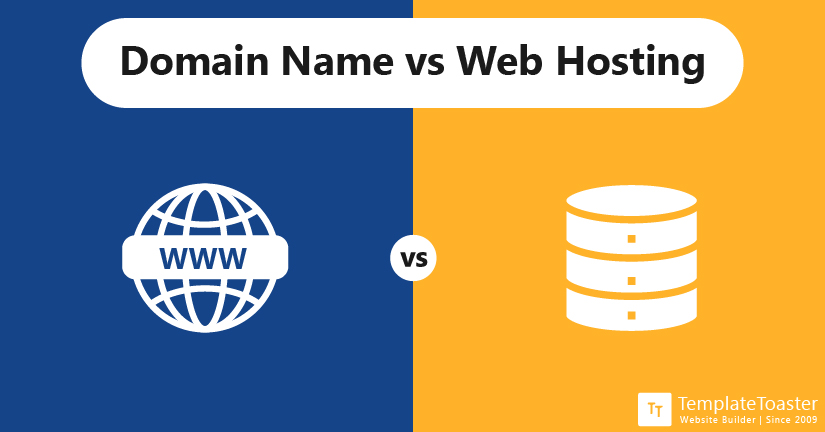
Domain registration gives your website a unique name online. Hosting provides the physical space to store your website’s data. Both are essential: registration handles the address, while hosting manages the website content and availability on the internet.
Can I Register A Domain Without Hosting?
Yes, you can register a domain without hosting. However, your website won’t be live until you buy hosting. Domain registration only reserves the name, not the space needed to display your site online.
Conclusion
Domain registration and hosting work together to make websites live. Domain registration gives your site a unique name online. Hosting stores your website’s files on a server. Both are needed for a website to work properly. Choose reliable services to keep your site fast and safe.
Understanding these basics helps you start your website journey. Simple steps lead to building your online presence. Now, you know what domain registration and hosting mean. Ready to create your website?


