
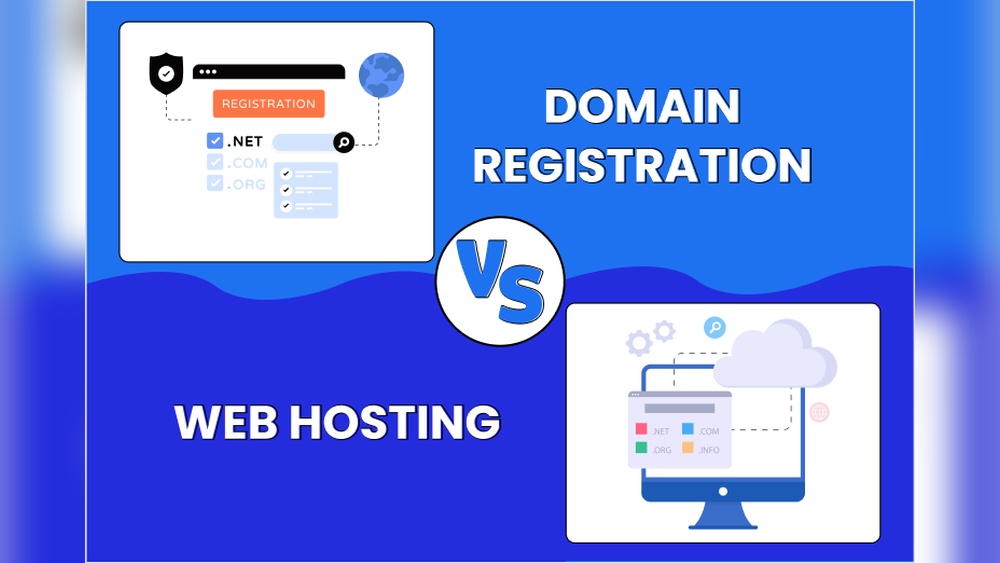
Have you ever wondered why owning a website involves two separate steps: registering a domain and hosting it? You might think these terms mean the same thing, but they play very different roles in getting your site online.
Understanding the difference between registering and hosting a domain is key to making smart choices for your website. Keep reading, and you’ll discover exactly what each term means, why both are essential, and how they work together to bring your online presence to life.
This knowledge will save you time, money, and headaches as you build your digital space.
Domain Registration Basics
Understanding domain registration basics is important before creating a website. It is the first step to owning a web address. This section explains what domain registration means and how it works. You will also learn how to choose the right domain registrar.
Purpose Of Domain Registration
Domain registration gives you the right to use a web address. This address is unique and helps visitors find your site online. It protects your brand and identity on the internet. Without registration, no one can claim your chosen domain name.
How Domain Registration Works
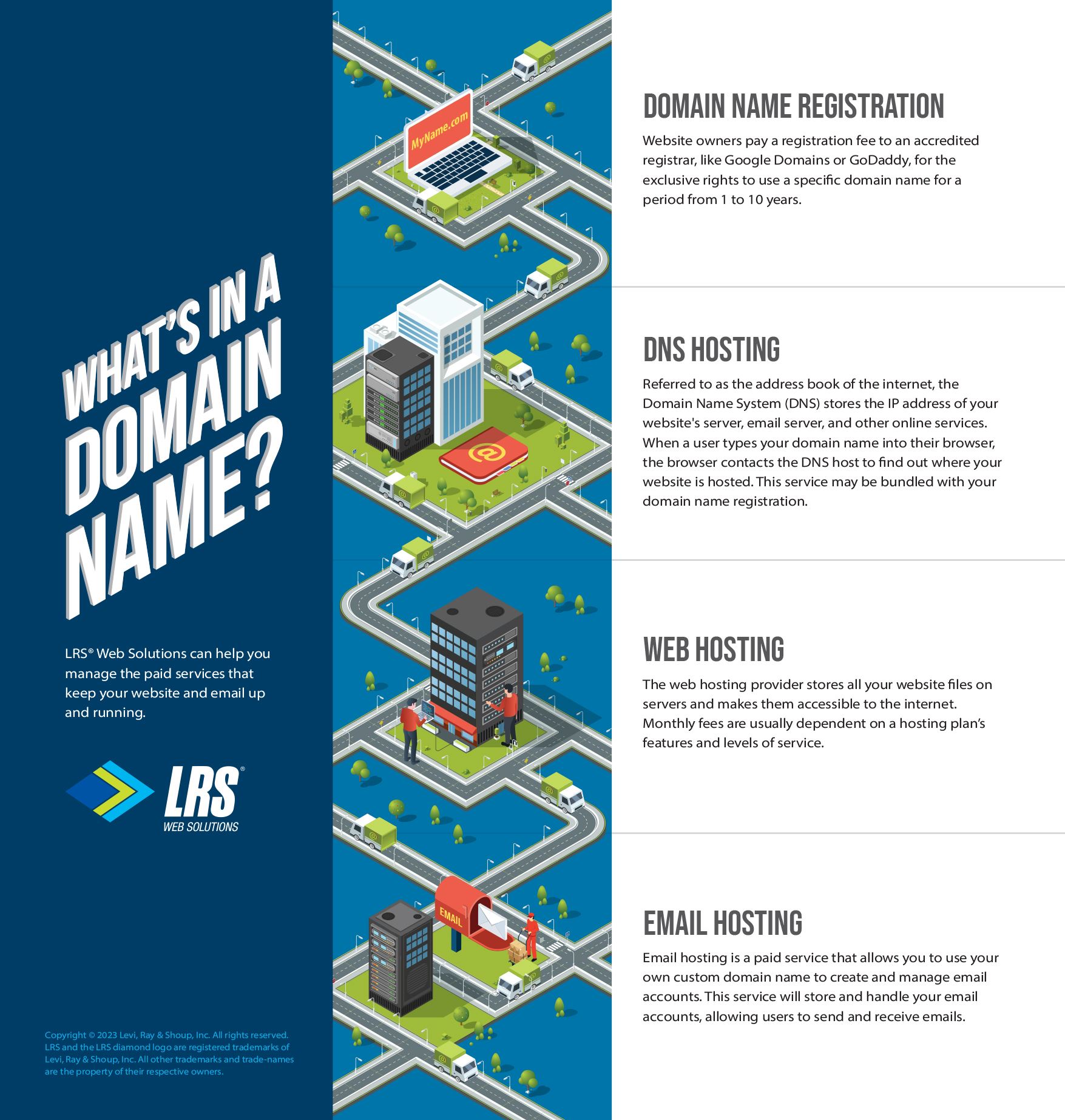
Registering a domain means reserving a name for a set time. You pick a name and pay a fee to a registrar. The registrar adds your name to a global database. This makes your website reachable by typing the domain in a browser.
Choosing A Domain Registrar
Choosing a good registrar is key to a smooth experience. Look for a trusted company with clear pricing. Check if they offer easy management tools. Support and security features are important too. These help you manage your domain easily and safely.
Credit: www.lrswebsolutions.com
Domain Hosting Essentials
Understanding domain hosting is important for creating a website. It is different from just registering a domain name. Hosting makes your website visible on the internet. It stores your website files and data on a server. This section explains the essentials of domain hosting.
Role Of Domain Hosting
Domain hosting stores your website’s content on special computers called servers. These servers run 24/7, so your site is always online. Hosting allows visitors to access your website anytime. Without hosting, your domain name cannot show a website. Hosting also manages email services linked to your domain.
Types Of Hosting Services
Shared hosting is the most common and affordable type. Many websites share one server’s resources. It works well for small sites with low traffic. VPS hosting offers more power by dividing a server into virtual servers. It suits growing websites needing more control. Dedicated hosting means renting a whole server. It is best for large websites with high traffic and special needs.
Selecting A Hosting Provider
Choose a hosting provider with good uptime and speed. Support is important in case you need help. Look for easy setup and user-friendly control panels. Security features like backups and SSL certificates are essential. Compare prices but focus on reliability and services. Read reviews from other users before deciding.
Key Differences Between Registration And Hosting
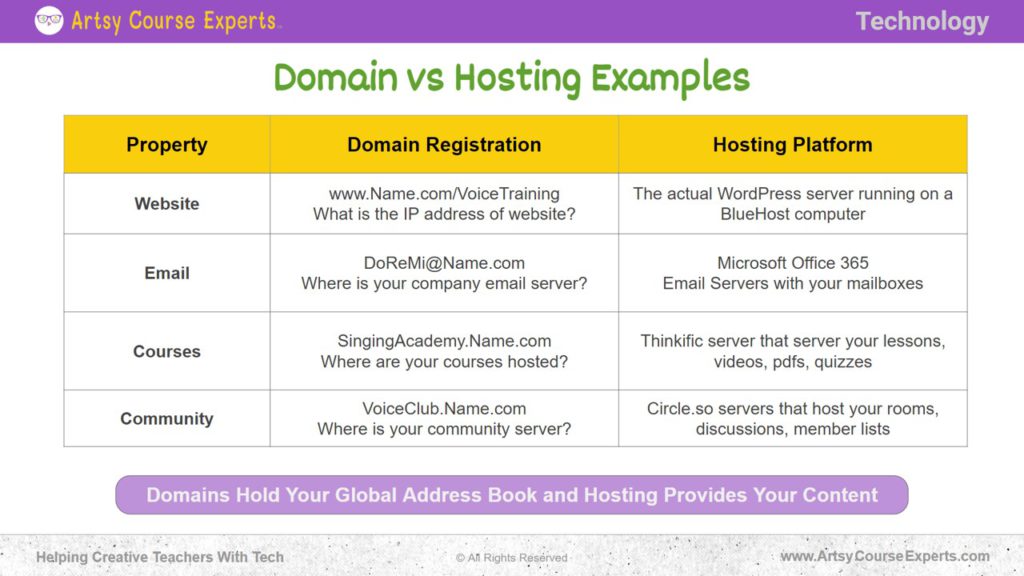
Understanding the key differences between domain registration and hosting helps you manage your website better. Both are essential but serve different purposes. Domain registration gives you a web address, while hosting stores your website files. Knowing these differences avoids confusion and helps you choose the right services.
Ownership Vs. Storage
Domain registration means you own the website name. It is the address people type to visit your site. Hosting is where your website lives. It stores all your pages, images, and data on a server. You need both to have a working website.
Cost Structures
Registering a domain usually costs less and is paid yearly. Hosting costs vary based on space, speed, and features. Hosting plans may require monthly or yearly payments. Budget for both to keep your site online.
Renewal Processes
Domains must be renewed regularly to keep ownership. If you miss renewal, someone else can buy your domain. Hosting also needs renewal to keep your website accessible. Both renewals are separate and require attention.

Credit: designpowers.com
How Registration And Hosting Work Together
Registering a domain and hosting a website are two key steps in building your online presence. They work closely to make your website visible on the internet. Registration gives you the website name, while hosting stores your website’s files. Both must connect properly for your site to work.
Connecting Domain To Hosting
After you register a domain, you need to link it to your hosting account. This connection tells the internet where to find your website files. Without this step, typing your domain won’t show your website.
Connecting usually involves changing domain settings to point to your host. This process may take a few hours to update worldwide.
Dns Settings Explained
DNS stands for Domain Name System. It acts like an address book for the internet. DNS translates your domain name into an IP address.
When someone types your domain, DNS directs the browser to your hosting server. You manage DNS settings at your domain registrar. These include nameservers, A records, and CNAME records.
Common Setup Steps
First, register your domain with a domain registrar. Second, buy a hosting plan from a hosting provider. Third, update your domain’s DNS settings to point to your host’s servers.
After DNS changes, upload your website files to the hosting server. Finally, test your domain to see if the website loads correctly.
Common Mistakes To Avoid
Understanding the difference between registering and hosting a domain is key to running a website smoothly. Many beginners make mistakes that can cause problems later. Avoiding these errors saves time, money, and stress. Below are common mistakes people should watch out for.
Mixing Up Registration And Hosting
Registering a domain means claiming your website name. Hosting means storing your website files online. These are two separate services. Some confuse them and think one service covers both. This can lead to website downtime or lost domain control. Always check what each provider offers.
Ignoring Renewal Dates
Domains and hosting need regular renewal. Missing renewal dates can cause your website to go offline. Domain expiration can also let others take your website name. Set reminders for renewal dates. Keep payment details updated to avoid service interruptions.
Choosing The Wrong Providers
Not all providers offer the same quality or support. Cheap services might lack security or slow loading times. Poor customer support can leave you stuck during problems. Research providers carefully. Choose those with good reviews and reliable service.
Tips For Managing Domains And Hosting
Managing domains and hosting well is key to keeping your website running smoothly. It helps avoid problems and keeps your site safe. Simple habits can save you time and trouble. These tips focus on important areas to help you manage your domain and hosting effectively.
Keeping Contact Information Updated
Always keep your contact details current with your domain registrar. This helps you receive important notifications quickly. Outdated info can cause you to miss renewal alerts. Missing these alerts may lead to losing your domain name. Check and update your email and phone number regularly.
Backing Up Website Data
Back up your website files and databases often. Hosting providers may offer automatic backups, but manual copies add safety. Store backups in a separate location from your hosting server. This protects your data from accidental loss or hacking. Regular backups make recovery faster if problems arise.
Monitoring Performance And Security
Track your website speed and uptime to maintain good user experience. Slow or down websites can drive visitors away. Use tools to check for malware or suspicious activity. Strong security stops hackers from damaging your site. Update software and plugins regularly to fix vulnerabilities.
Credit: www.artsycourseexperts.com
Frequently Asked Questions
What Is Domain Registration?
Domain registration is the process of reserving a website name. It allows you to own a unique URL for your site. Registration is done through domain registrars and is necessary before hosting or building a website.
How Does Domain Hosting Differ From Registration?
Domain hosting stores your website files on a server. Registration only reserves the domain name. Hosting makes your website accessible online, while registration secures the website address.
Can I Register A Domain Without Hosting?
Yes, you can register a domain without hosting. Registration secures your web address, but hosting is needed to publish a website. Many buy domains first and add hosting later.
Why Is Domain Hosting Essential For Websites?
Hosting provides the server space your website needs to function. Without hosting, your site cannot be accessed online. It ensures your website is live and available to visitors 24/7.
Conclusion
Registering a domain means claiming your website’s name online. Hosting a domain means storing your website’s files on a server. Both are needed to make your site live and accessible. Without registration, no one can find your website by name.
Without hosting, your website won’t load or show any content. Understanding these two steps helps you set up a website correctly. Keep these differences in mind when starting your online journey. Simple but important!


