
Are you ready to move your website but unsure how to point your domain to another host using GoDaddy? It might sound tricky, but with the right steps, you can make the switch smoothly and quickly.
Imagine having full control over where your website lives without any downtime or confusion. In this guide, you’ll learn exactly how to update your domain settings on GoDaddy to connect with your new hosting provider. Keep reading, and by the end, you’ll feel confident managing your domain like a pro.

Credit: www.youtube.com
Choose Your New Host
Pointing a domain to another host on GoDaddy is simple. Change the domain’s DNS settings to match the new host’s details. This connects your website to the new server quickly and safely.
Understand Your Hosting Needs
Choose a host that matches your website size and type. Check the storage and bandwidth limits. Think about the kind of website you want to run. Simple blogs need less power than online stores.
Compare Hosting Plans And Prices
Look at the plans each host offers. Compare prices carefully. Some hosts offer low prices but charge extra for basics. Choose a plan that fits your budget without hidden fees.
Check Host Reliability And Speed
Find a host with good uptime. Your site should be online almost all the time. Speed matters too. Fast loading sites keep visitors happy and improve search rankings.
Review Customer Support Options
Good support helps solve problems quickly. Choose a host with 24/7 customer service. Live chat and phone support are best. Test support before buying, if possible.
Look For User-friendly Control Panels
Easy control panels save time. Choose hosts with simple dashboards. Managing emails, files, and domains should be straightforward. This helps if you are new to hosting.
Access Godaddy Account
Accessing your GoDaddy account is the first step to point your domain to another host. You need to log in to manage your domain settings. This process is simple and quick.
Start by opening the GoDaddy website. Use a browser on your computer or phone. Make sure your internet connection is stable.
Next, find the sign-in button on the top right corner. Click it to open the login page. Enter your username and password carefully. Check for any typos before submitting.
After logging in, you will see your account dashboard. This is where you manage all your domains and services. From here, you can access your domain manager to update DNS settings or change hosting details.
Locate The Sign-in Button
Look at the top right of the GoDaddy homepage. The sign-in button is easy to find. Click it to open the login form.
Enter Your Login Details
Type your username or customer number. Then enter your password. Use the exact spelling and case for both fields.
Access Your Account Dashboard
After successful login, the dashboard appears. It shows your products and domains. From here, you control your domain settings.
Locate Domain Settings
To point your domain to another host on GoDaddy, you first need to locate the domain settings. These settings control where your domain sends visitors and email. Finding the right place to change these settings is the first step.
GoDaddy’s interface is easy to use, but it can be confusing if you are new. Knowing how to find your domain settings saves time and avoids mistakes. Follow the steps below to locate your domain settings quickly.
Log Into Your Godaddy Account
Start by going to the GoDaddy website. Enter your username and password to log in. After logging in, you will see your account dashboard. This dashboard shows all your domains and products.
Access The Domain Manager
On the dashboard, find the “My Products” section. Here, you will see a list of all your domains. Click on “Manage” next to the domain you want to point to another host. This opens the Domain Manager page.
Open Domain Settings
In the Domain Manager, look for the “Domain Settings” option. This is usually near the top or side menu. Click on it to open detailed settings for your domain. This page lets you edit DNS records and name servers.

Credit: www.youtube.com
Update Nameservers
Updating nameservers is a key step to point your domain to a new host. Nameservers tell the internet where to find your website. Changing them makes sure your domain connects to the new hosting provider. This process usually takes a few hours to a day to take effect.
Before updating, you need the correct nameserver details from your new host. Entering the wrong nameservers can cause your website to go offline. Follow these clear steps to update nameservers in GoDaddy.
Find New Host Nameservers
Start by logging into your new hosting account. Look for the section called “DNS Settings” or “Nameservers.” Hosts often send this information in a welcome email.
Nameservers usually look like ns1.examplehost.com and ns2.examplehost.com. Write them down exactly as shown. You will need these to update your domain in GoDaddy.
Enter Nameservers In Godaddy
Log into your GoDaddy account. Go to “My Products” and find your domain list. Click on the domain you want to update.
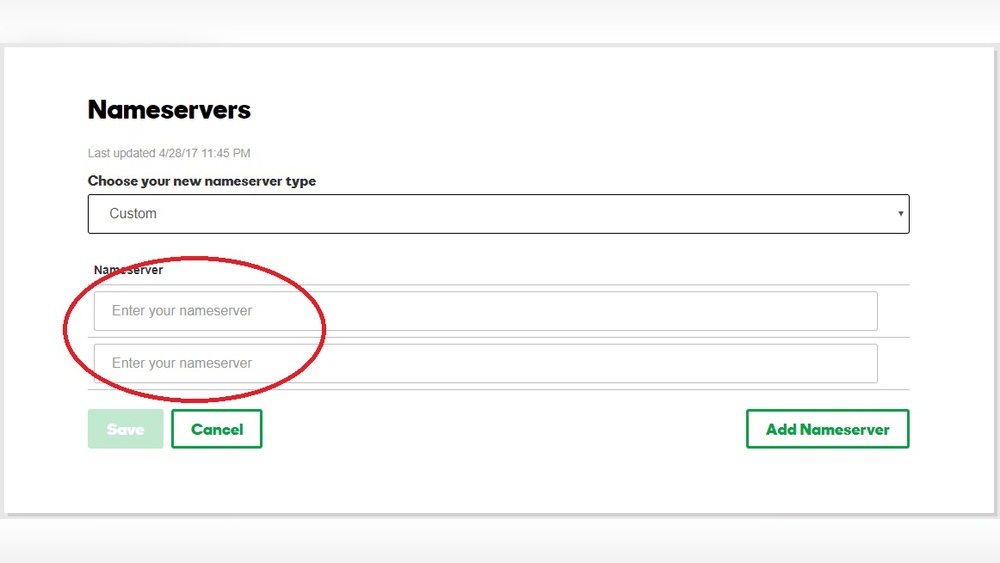
Find the “Manage DNS” or “DNS Settings” option. Scroll to the “Nameservers” section and click “Change.”
Select “Custom” nameservers. Enter the new nameservers provided by your hosting company. Make sure each nameserver is on a separate line.
Save the changes. GoDaddy will update your domain with the new nameservers. The update may take up to 48 hours worldwide.
Modify Dns Records
Modifying DNS records is a key step to point your domain to a new host. DNS records tell the internet where to find your website and email services. Changing these records correctly ensures your domain works with the new hosting provider without downtime.
This process involves updating specific records like A and CNAME. Each record serves a different purpose in directing traffic. Making precise edits prevents errors and keeps your site accessible.
Edit A Records
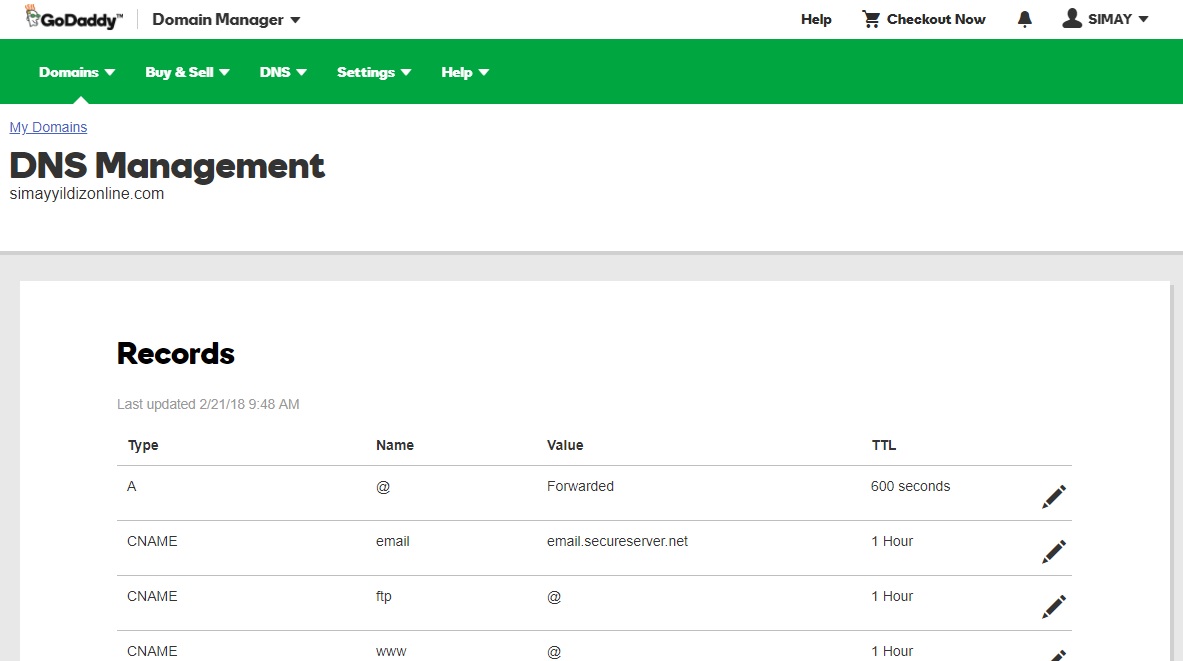
A Records connect your domain to an IP address. This IP belongs to your new hosting server. To edit A Records, log in to your GoDaddy account and find the DNS settings.
Locate the existing A Record with the “@” symbol. Replace its IP address with the new host’s IP. Save your changes to update the record. This change tells browsers where to find your website files.
Adjust Cname Records
CNAME Records point subdomains to another domain name. For example, “www” often uses a CNAME to link to your main domain. In GoDaddy’s DNS settings, find the CNAME record for your subdomain.
Edit the record to match the new host’s provided domain name. Save your changes to apply the update. This ensures visitors reach the correct location for your subdomains.
Verify Domain Propagation
After pointing your domain to a new host, verifying domain propagation is crucial. This process confirms that your domain changes spread across the internet. It may take some time for updates to appear everywhere.
Checking propagation helps avoid website downtime or email issues. It ensures visitors reach the correct server. Understanding how to verify this step gives you confidence your domain points correctly.
What Is Domain Propagation?
Domain propagation means updating domain information on global DNS servers. Each server stores domain details for faster access. Changes to your domain, like new hosting, must reach all servers.
This update takes time, usually from a few minutes to 48 hours. During this period, some users see the old site, others see the new one.
Tools To Check Domain Propagation
Several free tools help check domain propagation. These tools show if DNS changes are active worldwide. Enter your domain name to view status in different locations.
Popular tools include DNSChecker, WhatsMyDNS, and IntoDNS. Use them to track propagation progress easily and visually.
How To Use Dns Propagation Tools
Open any propagation tool website. Type your domain name in the search box. Select the DNS record type, usually A or CNAME. Click the check or search button.
The tool displays a map or list of servers. Green means your domain points to the new host. Red means old or no information yet. Repeat checks over time to see updates.
Troubleshooting Tips
Pointing a domain to another host on GoDaddy can sometimes cause issues. Troubleshooting helps find and fix these problems quickly. This section covers common troubles and clear solutions. It guides you to check and correct settings step by step.
Check Dns Propagation Status
DNS changes take time to update worldwide. It might take up to 48 hours. Use online tools to track DNS propagation. Make sure your domain points to the new host’s IP address. Patience is key during this wait.
Verify Nameserver Settings
Nameservers control where your domain points. Log in to your GoDaddy account. Confirm nameservers match those given by your new host. Wrong nameservers block proper domain connection. Correct them to avoid downtime.
Clear Browser And Dns Cache
Old cache can show outdated website versions. Clear your browser cache to see updates. Flush your computer’s DNS cache too. This step ensures your device fetches the latest domain info.
Confirm A Record Accuracy
A records link your domain to an IP address. Check that your A record matches your new host’s server IP. A wrong IP means your site won’t load. Edit the record if needed for correct pointing.
Check For Domain Lock Or Expiry
Domains can be locked to prevent changes. Unlock your domain in GoDaddy settings before pointing it. Also, verify your domain’s expiry date. Expired domains stop working until renewed.
Credit: www.godaddy.com
Frequently Asked Questions
How Do I Point My Godaddy Domain To Another Host?
Log in to GoDaddy, access your domain settings, and update the DNS records. Replace the nameservers with those provided by your new hosting provider to point your domain correctly.
How Long Does Dns Propagation Take After Updating Godaddy?
DNS propagation usually takes 24 to 48 hours, but sometimes it completes sooner. During this time, your domain may not resolve correctly everywhere.
Can I Keep My Email With Godaddy After Pointing Domain?
Yes, you can keep your email with GoDaddy. Just ensure your MX records remain unchanged or are correctly configured after updating DNS settings.
What Dns Records Should I Update To Point Domain?
Typically, update the A record to your new host’s IP address or change nameservers to your host’s DNS servers for proper domain pointing.
Conclusion
Pointing a domain to another host with GoDaddy is simple. Just follow the steps carefully. Check your DNS settings and update the nameservers correctly. Wait for the changes to take effect, which may take some time. This process helps your website show up at the right place online.
Keep your login details safe during the setup. Regularly verify that your domain points to the correct host. This way, your website stays accessible without interruptions. Easy to do, and it keeps your site running smoothly.


