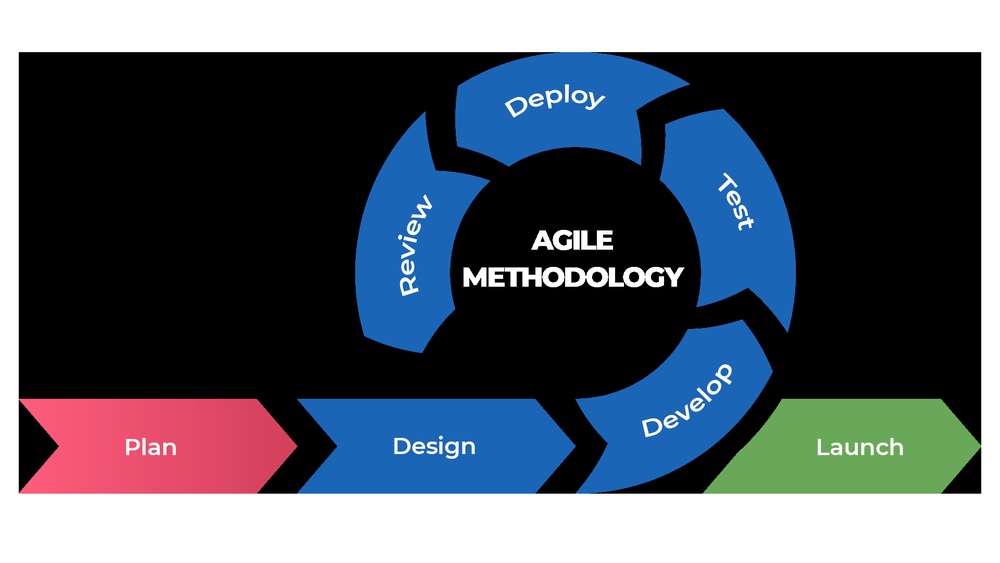
Are you looking for a way to make your software projects faster, smarter, and more in tune with your business needs? Agile software development might be exactly what you need.
Imagine a process where your team adapts quickly, delivers results regularly, and keeps your customers happy every step of the way. This approach isn’t just a buzzword—it’s a game-changer for businesses like yours. Keep reading to discover how Agile can transform your development process and give you a real edge over the competition.

Credit: www.zen8labs.com
Benefits Of Agile For Businesses
Agile software development offers clear benefits for businesses. It helps teams work faster and deliver better products. Agile encourages collaboration and continuous improvement. This approach keeps projects flexible and focused on customer needs.
Faster Time To Market
Agile breaks projects into smaller parts. Teams deliver these parts quickly and regularly. This speeds up the overall development process. Businesses can launch products sooner than traditional methods. Early releases allow companies to start earning faster.
Improved Product Quality
Agile promotes frequent testing and feedback. Bugs and issues are found and fixed early. This reduces errors in the final product. Continuous review ensures the software meets quality standards. The result is a more reliable and stable product.
Enhanced Customer Satisfaction
Customers get involved throughout the development process. Their feedback shapes the product features and design. Agile responds quickly to changing customer needs. This leads to products that better fit user expectations. Happy customers often become loyal and repeat buyers.
Greater Flexibility And Adaptability
Agile allows teams to change priorities easily. New requirements can be added without major delays. It supports adjusting plans based on real-time feedback. This flexibility helps businesses stay competitive and responsive. Teams avoid wasting time on unnecessary features.
Core Agile Principles Driving Growth
Core Agile principles help businesses grow by making software development flexible and efficient. These principles focus on delivering value quickly and adapting to change. They improve teamwork and keep the customer involved throughout the process.
By following these principles, companies can reduce risks and improve product quality. Teams work in short cycles, learn from feedback, and stay connected. This approach helps businesses respond faster to market needs and customer demands.
Iterative Development Cycles
Agile breaks projects into small parts called iterations. Each iteration produces a working product version. Teams review and improve the product with each cycle. This method helps catch problems early. It also allows quick changes and better planning.
Continuous Feedback Integration
Feedback comes from customers and team members regularly. Teams use this feedback to make changes fast. It ensures the product meets real user needs. Continuous feedback reduces errors and boosts satisfaction. It keeps the project aligned with business goals.
Collaboration And Communication
Agile encourages close teamwork and open talks. Developers, testers, and customers share ideas and updates. This creates trust and solves problems quickly. Good communication reduces misunderstandings and speeds up delivery. Everyone stays informed and involved.
Embracing Change
Change is normal and expected in Agile. Teams adjust plans and priorities as needed. This flexibility helps businesses stay competitive. Agile welcomes new ideas and customer requests. It avoids delays caused by rigid processes.
Agile Methodologies In Practice
Agile methodologies help teams work better and faster. They focus on small steps and quick changes. This way, businesses can meet customer needs and fix problems early. Different Agile methods suit different teams and projects. Each has unique practices but shares the same goal: delivering value often and improving continuously.
Scrum Framework
Scrum breaks work into short cycles called sprints. Each sprint lasts two to four weeks. Teams meet daily to discuss progress and problems. Roles like Product Owner and Scrum Master guide the process. Scrum helps teams stay focused and respond to change quickly. It improves communication and keeps everyone aligned on goals.
Kanban Approach
Kanban uses a visual board to track work. Tasks move across columns from start to finish. This shows the flow and highlights bottlenecks. Teams limit how many tasks are in progress at once. Kanban helps improve efficiency and reduce delays. It allows continuous delivery without fixed timeframes.
Lean Software Development
Lean focuses on cutting waste and speeding up delivery. It values only what adds customer value. Teams continuously improve their work and remove obstacles. Lean encourages fast feedback and learning from mistakes. This method helps businesses save time and resources.
Extreme Programming (xp)
XP emphasizes high-quality code and close collaboration. Developers write tests before coding to prevent bugs. Pair programming is common, with two developers working together. XP promotes frequent releases and customer feedback. This approach reduces errors and adapts well to change.

Credit: ltsgroup.tech
Challenges And Solutions In Agile Adoption
Adopting Agile software development brings many benefits for businesses. Yet, it also introduces challenges that teams must face. These challenges can slow progress or block Agile’s success. Finding the right solutions helps teams adapt quickly. This section covers key challenges and practical ways to overcome them.
Cultural Shift And Mindset
Agile requires a big change in how teams think and work. Traditional methods focus on strict plans and roles. Agile values collaboration, flexibility, and continuous learning. Some team members may resist this new way.
Leaders must encourage open communication and trust. Emphasize that mistakes are chances to learn. Celebrate small wins to build confidence. Changing habits takes time but improves teamwork and results.
Team Training And Skills
Agile demands new skills like sprint planning, daily stand-ups, and retrospectives. Without proper training, teams may struggle. They might not use Agile tools or follow processes correctly.
Provide regular workshops and coaching sessions. Use real project examples to practice skills. Encourage peer learning and sharing tips. Well-trained teams work faster and produce better outcomes.
Managing Stakeholder Expectations
Stakeholders often expect fixed deadlines and full details upfront. Agile works differently, focusing on small, frequent deliveries. This can confuse or frustrate them.
Explain Agile’s benefits clearly. Show how early feedback improves the product. Set realistic goals and update stakeholders often. Keep communication simple and honest to build trust.
Scaling Agile In Large Organizations
Large companies face extra challenges using Agile. Many teams, departments, and processes must work together. Coordination and consistency become difficult.
Use frameworks like SAFe or LeSS to guide scaling. Create cross-team roles to manage dependencies. Keep Agile principles clear across all levels. Scaling takes effort but spreads Agile’s benefits widely.
Measuring Agile Success
Measuring success in Agile software development helps businesses understand progress and improve. Agile is flexible, so traditional metrics may not show the whole picture. Focus on specific Agile metrics to track value and team health.
Key Performance Indicators
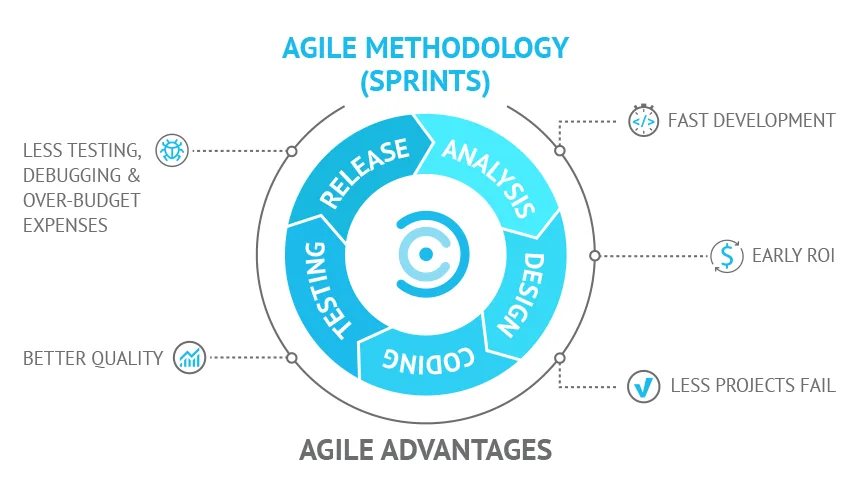
KPIs in Agile focus on value delivery and team goals. Common KPIs include velocity, sprint burndown, and defect rates. These indicators show how much work the team completes each sprint. They highlight quality issues and help plan future work better.
Customer Feedback Metrics
Customer feedback is vital in Agile. Use surveys, reviews, and direct comments to gather insights. This feedback shows if the product meets user needs. Frequent feedback loops allow quick changes and better alignment with customer goals.
Delivery Speed And Efficiency
Speed measures how fast the team delivers features or fixes. Track cycle time and lead time to gauge efficiency. Faster delivery keeps customers happy and reduces market risks. Efficiency improves with clear processes and team focus.
Team Productivity And Morale
Productive teams deliver value consistently. Measure team morale with surveys and regular check-ins. Happy teams communicate better and solve problems faster. High morale often leads to better creativity and commitment to goals.
Credit: devcom.com
Future Trends In Agile Development
Agile software development is evolving fast. Businesses must adapt to new trends to stay competitive. These trends improve how teams work and deliver value. Understanding the future of Agile helps companies plan better and grow.
Integration With Devops
Agile and DevOps work well together. DevOps focuses on fast software delivery and operations. Agile emphasizes collaboration and flexibility. Combining both leads to quicker releases and better quality. Teams automate testing and deployment to save time. Continuous feedback loops help fix issues early. This integration makes software development smoother and more reliable.
Agile And Artificial Intelligence
Artificial Intelligence (AI) supports Agile by speeding up tasks. AI tools analyze data to find patterns and risks. They help prioritize work based on real needs. AI can suggest code improvements and test cases. This reduces manual work and errors. Agile teams use AI to improve decision-making and productivity. The future will see more AI-driven Agile tools.
Remote And Distributed Agile Teams
Remote work is common in Agile teams now. Teams spread across locations need clear communication. Agile practices adapt to virtual meetings and online tools. Daily stand-ups, planning, and reviews happen remotely. Collaboration tools keep everyone connected and aligned. Remote Agile allows hiring talent worldwide. It also promotes flexibility and work-life balance.
Agile Beyond Software Development
Agile is no longer just for software. Many industries apply Agile principles today. Marketing, HR, and product design use Agile methods. These fields benefit from fast feedback and flexible plans. Agile helps teams respond quickly to changes. It improves teamwork and project success. Agile’s reach will keep growing across business areas.
Frequently Asked Questions
What Is Agile Software Development?
Agile software development is a flexible, iterative approach to project management. It focuses on collaboration, customer feedback, and rapid delivery of small, functional software increments.
Why Do Businesses Prefer Agile Development?
Businesses prefer Agile because it improves adaptability, reduces risks, and enhances product quality. Agile allows faster response to market changes and customer needs, increasing overall satisfaction.
How Does Agile Improve Project Success Rates?
Agile improves success rates by promoting continuous testing and feedback. It allows teams to identify and fix issues early, ensuring the product meets business goals effectively.
What Are The Key Benefits Of Agile For Businesses?
Agile offers faster time-to-market, better team collaboration, and higher product quality. It also increases customer engagement and reduces costs by avoiding unnecessary features.
Conclusion
Agile software development helps businesses stay flexible and fast. Teams can adapt quickly to changes and deliver better results. This approach encourages teamwork and clear communication. It reduces risks by testing often and fixing problems early. Businesses save time and money by focusing on what matters most.
Agile keeps customers involved, making sure the product fits their needs. Choosing Agile means choosing a smarter way to work and grow. Simple, effective, and focused on success.