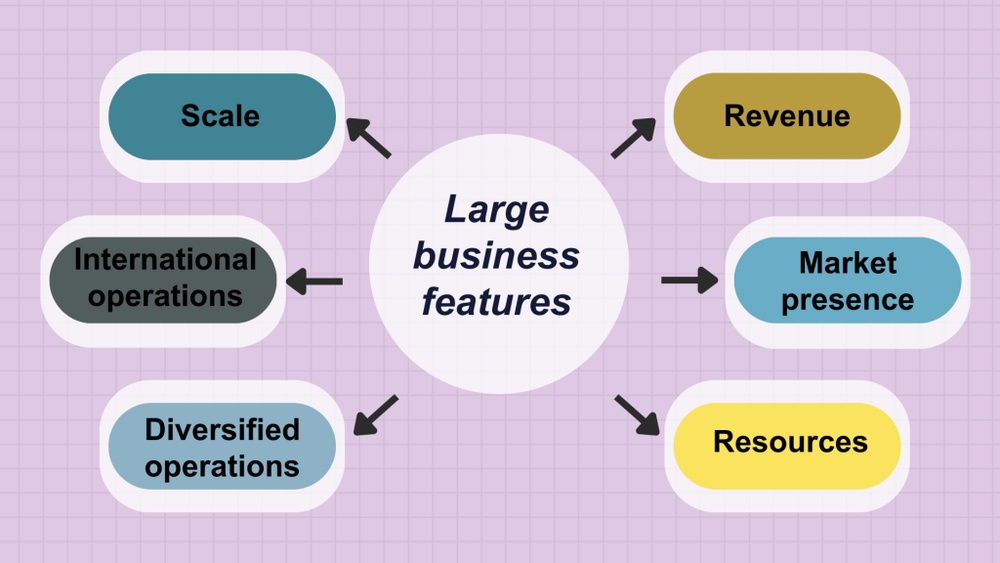
Are you curious about the kind of software that powers the world’s biggest companies? Understanding what tools large businesses use can give you a clear edge, whether you want to improve your own company’s operations or simply stay informed.
Imagine having the right software that boosts efficiency, streamlines tasks, and helps you make smarter decisions every day. You’ll discover the top types of software big businesses rely on—and why they matter to you. Keep reading to unlock insights that could transform how you work.
Enterprise Resource Planning (erp) Systems
Enterprise Resource Planning (ERP) systems are essential for large businesses. These systems help manage many parts of a company in one place. From finance to human resources, ERP keeps everything connected. This makes work smoother and data easier to access.
Key Features Of Erp
ERP systems offer many features to support business needs. They include financial management for budgets and expenses. Inventory control helps track stock and supplies. Human resources tools manage employee data and payroll. Reporting functions provide insights with clear, real-time data. Integration allows different departments to share information easily.
Leading Erp Vendors
Several companies provide ERP solutions for large enterprises. SAP is known for its robust and flexible systems. Oracle offers cloud-based ERP with strong analytics tools. Microsoft Dynamics is popular for its user-friendly interface. Infor provides industry-specific ERP options. These vendors support businesses with global reach and local needs.
Benefits For Large Enterprises
ERP systems improve efficiency by reducing manual tasks. They increase accuracy by centralizing data. Businesses gain better visibility into operations and finances. ERP supports compliance with industry regulations. It helps teams collaborate across locations. Overall, ERP systems save time and reduce costs for big companies.

Credit: www.bitrix24.com
Customer Relationship Management (crm) Tools
Customer Relationship Management (CRM) tools help large businesses manage interactions with clients. These tools store customer data, track communication, and improve service. Companies use CRM software to keep customers happy and increase sales. The software organizes information to make business processes smoother. It also helps teams work together on client needs.
Core Crm Functions
CRM software collects customer details like contact info and purchase history. It tracks emails, calls, and meetings with clients. The system manages sales leads and follows up on opportunities. It also provides reports on customer behavior and sales trends. Some CRMs include task management and automation features. These functions help businesses save time and avoid errors.
Popular Crm Platforms
Many large companies choose well-known CRM platforms. Salesforce is a top choice for its wide features. Microsoft Dynamics offers strong integration with other Microsoft tools. HubSpot is popular for its user-friendly design and free options. Zoho CRM suits businesses looking for affordable solutions. These platforms support different industries and company sizes. Each has unique tools to fit various business needs.
Impact On Sales And Marketing
CRM tools improve sales by organizing customer information clearly. Sales teams can follow up quickly and close deals faster. Marketing teams use CRM data to create targeted campaigns. It helps identify customer preferences and buying habits. This leads to better customer engagement and higher sales rates. CRM also tracks campaign results to improve future efforts.
Human Resource Management Software
Human Resource Management Software (HRMS) helps large businesses manage their workforce efficiently. It organizes many HR tasks in one place. This software saves time and reduces errors in handling employee data. It supports hiring, payroll, performance, and benefits management. Using HRMS improves communication and employee satisfaction.
Recruitment And Onboarding Solutions
HRMS simplifies hiring by managing job postings and applications. It tracks candidates and schedules interviews automatically. New hires get a smooth onboarding experience. The software shares important documents and training materials. It helps new employees start their jobs quickly and confidently.
Payroll And Benefits Management
Payroll management becomes easier with HRMS. It calculates wages, taxes, and deductions accurately. Employees receive their pay on time, every time. Benefits like health insurance and retirement plans are managed in one place. The software keeps all records secure and up to date.
Employee Performance Tracking
HRMS tracks employee goals and achievements clearly. Managers can give feedback and conduct reviews easily. The software stores performance data for future reference. This helps identify training needs and career growth opportunities. It motivates employees to improve and succeed.

Credit: barcloud.com
Business Intelligence And Analytics
Large businesses handle huge amounts of data every day. Business Intelligence (BI) and analytics software help them understand this data. These tools turn raw numbers into clear insights. They support smarter decisions and improve business results.
BI and analytics software are essential for tracking performance. They reveal patterns and trends that are not obvious. This helps companies stay competitive and meet customer needs better.
Data Visualization Tools
Data visualization tools show data in charts, graphs, and maps. These visuals make complex data easier to understand. Managers and teams can quickly see what is happening. Popular tools include Tableau and Power BI. They help users spot issues and opportunities fast.
Predictive Analytics
Predictive analytics uses past data to guess future outcomes. It helps businesses plan and reduce risks. Algorithms analyze trends and make forecasts. This software supports sales predictions, customer behavior, and supply chain needs. It guides companies to act before problems arise.
Driving Data-driven Decisions
Business intelligence encourages decisions based on facts, not guesses. Data-driven choices reduce errors and boost efficiency. BI tools provide real-time reports and dashboards. Leaders can track key metrics and adjust strategies quickly. This creates a culture focused on results and improvement.
Project Management Software
Project management software helps large businesses plan and manage their work. It organizes tasks, tracks progress, and improves teamwork. This software keeps projects on time and within budget.
Many teams use it to share ideas and solve problems quickly. It brings everyone together, no matter where they work. This software supports clear communication and helps avoid confusion.
Task Scheduling And Collaboration
Project management software shows who does what and when. It breaks projects into small tasks with deadlines. Teams can see their work and update progress instantly.
Collaboration tools let team members chat, share files, and give feedback. Everyone stays informed and can help solve issues fast. This keeps projects moving smoothly.
Top Project Management Tools
Popular tools include Asana, Trello, and Microsoft Project. These tools fit different business needs and project types. They offer easy-to-use interfaces and useful features.
Many support mobile apps so teams can work from anywhere. They also connect with other software like email and calendars. This saves time and reduces errors.
Enhancing Team Productivity
Project management software reduces wasted time on meetings and emails. It shows clear goals and priorities for every team member. This focus helps teams finish tasks faster.
Tracking progress helps spot delays early. Managers can adjust plans to keep work on track. Teams feel more organized and motivated with clear direction.
Cybersecurity Solutions
Cybersecurity solutions protect large businesses from digital threats. These solutions stop hackers and keep data safe. Companies invest heavily in security to avoid costly breaches. The right software helps detect and prevent cyberattacks fast. It also guards important business information and systems. Understanding key cybersecurity tools shows how big companies stay secure.
Threat Detection And Prevention
Threat detection tools scan networks for suspicious activity. They alert teams when risks appear. Prevention software blocks malware, viruses, and phishing attacks. Real-time monitoring helps catch threats before damage occurs. Automated systems reduce human error and speed response times. Large businesses use these solutions to protect their operations daily.
Security Software Providers
Top providers offer reliable and scalable security software. Companies like Symantec, McAfee, and Palo Alto Networks lead the market. They provide firewalls, antivirus, and intrusion detection systems. Cloud-based security solutions are also popular among large firms. Providers update software regularly to fight new cyber threats. Choosing trusted vendors ensures strong defense layers.
Protecting Business Assets
Business assets include data, networks, and devices. Cybersecurity software shields these assets from unauthorized access. Encryption and access controls keep data confidential. Backup solutions protect against data loss. Endpoint security defends individual computers and mobile devices. Securing assets helps maintain trust and avoid financial losses.
Cloud Computing Platforms
Cloud computing platforms are essential tools for large businesses today. They provide flexible and scalable technology solutions. These platforms help companies manage data, applications, and services without owning physical hardware. Cloud solutions reduce costs and improve efficiency. Many big businesses rely on cloud platforms to stay competitive and agile in their markets.
Infrastructure As A Service (iaas)
IaaS offers virtualized computing resources over the internet. Businesses rent servers, storage, and networking from providers. This means no need to buy expensive hardware. Companies can quickly scale up or down based on demand. IaaS gives full control over operating systems and applications. Popular IaaS providers include Amazon Web Services and Microsoft Azure.
Platform As A Service (paas)
PaaS provides a platform for developers to build and run applications. It includes tools, libraries, and infrastructure. Developers focus on coding, not managing servers or storage. PaaS speeds up the development process. It supports collaboration and easier deployment. Google App Engine and Heroku are well-known PaaS services.
Benefits Of Cloud Adoption
Cloud adoption lowers IT costs by eliminating hardware purchases. It offers faster access to new technology and updates. Businesses gain flexibility to support remote work and global teams. Data backup and disaster recovery become simpler and safer. Cloud platforms improve collaboration and innovation across departments.
Communication And Collaboration Tools
Large businesses rely on strong communication and collaboration tools. These tools help teams stay connected and work together smoothly. They support different types of interactions, from quick chats to full meetings. Easy and clear communication boosts productivity and reduces misunderstandings.
Video Conferencing Solutions
Video conferencing tools let teams meet face-to-face online. They allow video calls, screen sharing, and recording. Many companies use platforms like Zoom, Microsoft Teams, or Google Meet. These tools support remote work and connect global teams instantly. Clear video and audio help improve understanding during meetings.
Team Messaging Apps
Team messaging apps enable quick and organized chats. Employees send messages, share files, and create groups. Slack and Microsoft Teams are popular choices. These apps keep conversations focused and easy to follow. They reduce the need for long email threads and speed up decision-making.
Streamlining Internal Communication
Effective tools reduce communication delays inside companies. They help share updates, assign tasks, and gather feedback. Integrating various tools creates a smooth workflow. This avoids confusion and keeps projects on track. Clear communication saves time and supports teamwork.
Credit: mobisoftinfotech.com
Frequently Asked Questions
What Software Do Large Businesses Commonly Use?
Large businesses often use ERP, CRM, and SCM software. These systems help manage resources, customer relations, and supply chains efficiently. Popular choices include SAP, Salesforce, and Oracle. These tools improve productivity, decision-making, and scalability for enterprise operations.
Why Do Large Businesses Prefer Erp Software?
ERP software integrates all core business processes into one system. It streamlines operations, reduces costs, and improves data accuracy. Large companies use ERP to enhance collaboration and gain real-time insights across departments, boosting overall efficiency and growth.
How Does Crm Software Benefit Large Enterprises?
CRM software helps manage customer interactions and sales pipelines effectively. It improves customer service, increases retention, and drives revenue growth. Large businesses use CRM systems like Salesforce to analyze customer data and personalize marketing strategies.
What Role Does Scm Software Play In Big Businesses?
SCM software optimizes supply chain operations by managing procurement, logistics, and inventory. Large companies rely on SCM to reduce costs, improve delivery times, and enhance supplier collaboration. It ensures smooth production and distribution processes at scale.
Conclusion
Large businesses rely on many types of software every day. These tools help manage tasks like communication, data, and finances. Choosing the right software improves efficiency and teamwork. It also keeps data safe and organized. Each company picks software based on its needs and size.
Understanding these options can help you see how big firms run smoothly. Software is a key part of business success today. Simple, strong tools make work easier and faster. This knowledge can guide your future decisions about business software.