
Have you ever wondered how some companies always seem to make smarter decisions and stay ahead of the competition? The secret often lies in one powerful tool: business analytics software.
If you want your organisation to unlock hidden opportunities, reduce risks, and boost efficiency, understanding why businesses rely on this software is key. Keep reading, and you’ll discover how using business analytics can transform your decision-making and help your organisation thrive in ways you might not expect.
Credit: www.stratascratch.com
Benefits Of Business Analytics Software
Business analytics software helps companies turn data into clear insights. It supports smarter work and better results. This software offers many benefits that help organizations grow and compete.
Using business analytics tools, companies can see patterns, find problems, and act fast. These tools make complex data easy to understand. Teams can then make choices based on facts, not guesses.
Improved Decision Making
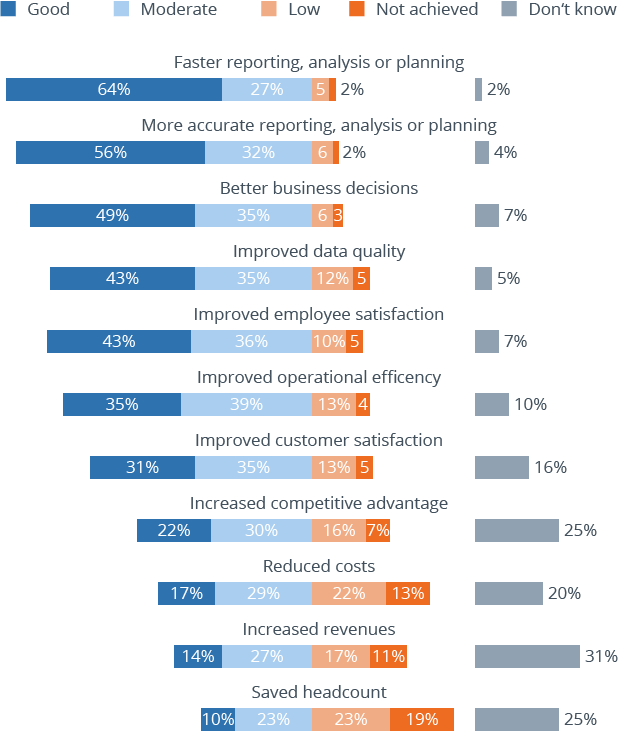
Business analytics software gives leaders quick access to key data. It shows trends and forecasts clearly. This helps managers choose the best actions. Decisions become more accurate and less risky. Teams can respond faster to market changes.
Enhanced Operational Efficiency
The software identifies slow or costly processes. It highlights areas where resources waste time or money. Companies can streamline work and save costs. Automation features reduce manual tasks. Operations run smoother and faster overall.
Customer Insights And Personalization
Analytics tools collect data about customer habits and preferences. Businesses learn what customers want and expect. They tailor offers and messages to fit each person. This improves satisfaction and loyalty. Personalized experiences increase sales and repeat business.
Risk Management And Compliance
Business analytics helps spot risks early. It tracks changes in regulations and standards. Companies can act before problems grow. The software supports compliance with laws and policies. This reduces fines and protects the company’s reputation.
Key Features Of Business Analytics Tools
Business analytics tools have many important features. These features help organisations understand data and make smart choices. Each tool offers specific functions that meet different business needs.
These key features simplify data handling. They turn complex information into clear insights. Businesses use these tools to save time and improve results.
Data Visualization
Data visualization shows information as charts or graphs. It makes data easy to see and understand quickly. Users can spot trends and patterns without deep analysis. Visual tools help share insights across teams clearly.
Predictive Analytics
Predictive analytics uses data to guess future outcomes. It helps businesses plan ahead and reduce risks. This feature uses statistics and machine learning models. It supports decisions by showing possible future trends.
Real-time Reporting
Real-time reporting gives instant updates on business data. Users get current information without delay. This feature helps monitor performance as it happens. Quick reports allow fast responses to changing conditions.
Integration Capabilities
Integration capabilities connect analytics tools with other software. This creates a smooth flow of data between systems. It saves time by avoiding manual data entry. Connected tools provide a complete view of business activities.
Industries Leveraging Business Analytics
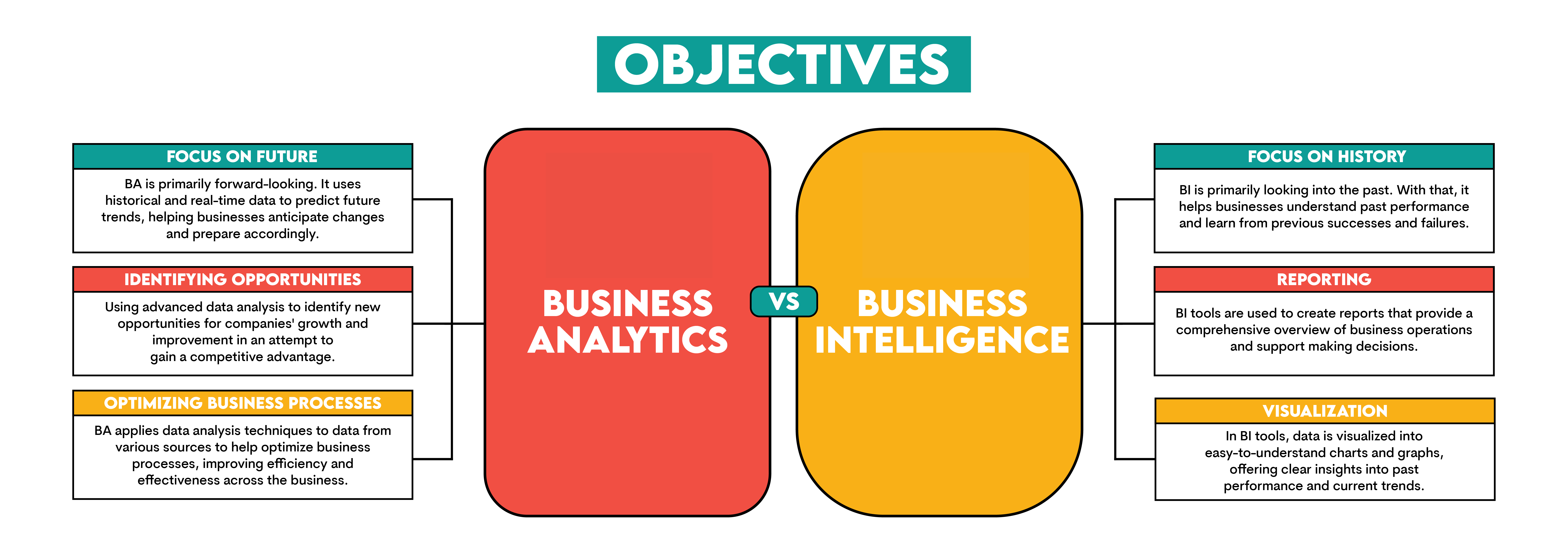
Business analytics software helps companies make better decisions. It turns data into clear insights. Many industries use this software to improve their work and serve customers well. Each industry uses business analytics in its own way.
Understanding how different sectors use analytics shows its wide value. The following examples highlight key industries that rely on these tools daily.
Retail And E-commerce
Retailers track customer buying habits and product trends. Analytics help them stock the right items. They also find the best prices to attract buyers. Online stores analyze user behavior to improve website layouts and offers. This boosts sales and customer satisfaction.
Healthcare
Hospitals use analytics to monitor patient health and treatment results. They predict disease outbreaks and manage resources better. Analytics also help in reducing costs by improving care quality. Doctors can make faster and more accurate decisions with data support.
Finance And Banking
Banks analyze transaction data to detect fraud and risky behavior. They also assess loan applications quickly and fairly. Analytics improve customer service by personalizing product offers. Financial firms use data to track market trends and manage investments.
Manufacturing
Manufacturers monitor equipment performance and production rates. Analytics help reduce downtime and improve product quality. They optimize supply chains and manage inventory efficiently. Data-driven insights lead to safer work environments and lower costs.
Credit: barc.com
Challenges In Implementing Analytics Software
Implementing business analytics software is not always easy for organizations. Many face obstacles that slow down or block the process. These challenges can affect the success of the software and the benefits it brings. Understanding these common issues helps businesses prepare and manage them better.
Data Quality Issues
Poor data quality is a major challenge for analytics software. Inaccurate or incomplete data leads to wrong insights. Many organizations struggle to clean and organize their data. Consistent and reliable data is essential for good analysis results. Without it, decision-making becomes risky and less effective.
User Adoption
Getting employees to use new software can be difficult. People may resist change or find the tools hard to use. Training and support are crucial to help users feel confident. Without user adoption, the software’s value is limited. Encouraging engagement increases the chances of success.
Cost And Resource Allocation
Implementing analytics software requires money and resources. Some companies underestimate the costs of setup and maintenance. Skilled staff and time investment are also needed. Poor planning can lead to budget overruns and delays. Proper resource allocation ensures smoother implementation and better results.
Security Concerns
Data security is a top worry during software implementation. Analytics tools handle sensitive company and customer information. Weak security measures expose data to breaches and theft. Organizations must invest in strong protection and compliance. This builds trust and safeguards valuable data assets.
Future Trends In Business Analytics
Business analytics is evolving fast. New tools and methods help companies make better decisions. Understanding future trends in business analytics shows where this field is heading. These trends shape how businesses collect, analyze, and use data.
Artificial Intelligence Integration
Artificial intelligence (AI) is now part of many analytics tools. AI helps analyze large data sets quickly. It finds patterns humans might miss. This leads to smarter, faster decisions. Companies use AI to predict customer behavior and market changes.
Cloud-based Analytics
More businesses move their analytics to the cloud. Cloud platforms offer easy access to data from anywhere. They also allow teams to work together in real time. Cloud solutions reduce costs and improve data storage. This flexibility supports faster analysis and sharing.
Self-service Analytics
Self-service tools let non-experts explore data on their own. Employees can create reports without waiting for IT help. This speeds up decision-making and increases data use. User-friendly interfaces make these tools easy to learn and use.
Advanced Data Governance
Data governance ensures data is accurate, safe, and used properly. New rules and technologies help protect sensitive information. Strong governance builds trust in data and analytics results. Companies follow guidelines to meet legal and ethical standards.
Credit: www.institutedata.com
Frequently Asked Questions
What Is The Main Purpose Of Business Analytics Software?
Business analytics software helps organizations analyze data to make informed decisions. It identifies trends, improves efficiency, and drives growth. This software turns raw data into actionable insights, enabling companies to stay competitive and meet customer needs effectively.
How Does Business Analytics Improve Decision-making?
Business analytics provides real-time data insights that reduce guesswork. It helps managers identify opportunities and risks quickly. By using accurate data, organizations make smarter, faster decisions that boost performance and profitability.
Why Do Organizations Choose Business Analytics Software?
Organizations use business analytics software to gain a competitive edge. It helps optimize operations, understand customer behavior, and predict market trends. This software increases productivity, reduces costs, and supports strategic planning.
Can Business Analytics Software Enhance Customer Experience?
Yes, business analytics software analyzes customer data to personalize services. It helps identify preferences and improve satisfaction. Enhanced customer experience leads to higher loyalty and increased revenue.
Conclusion
Business analytics software helps organizations make smarter choices. It turns data into clear insights quickly. Teams use it to spot trends and solve problems. This software improves efficiency and saves time. It supports better decisions at all levels. Many companies rely on it to stay competitive.
Understanding data keeps businesses strong and ready for change. Using analytics is a smart step for any organization. It makes complex information easy to understand and act on. Simple tools lead to better results every day.


