Have you ever thought about the real cost of using pirated software for your business? It might seem like a quick way to save money, but the risks can quickly add up and hurt your company in ways you didn’t expect.
From security threats to legal troubles, pirated software can put your business in danger. Keep reading to discover why choosing the right software matters and how it can protect your hard work and future success.

Credit: hypertecsp.com
Hidden Dangers Of Pirated Software
Pirated software may seem like a cheap solution, but it hides many risks. These dangers can harm businesses in ways not always clear at first. Using unauthorized software can open doors to serious problems that affect security, data, and support. Understanding these hidden dangers helps businesses make safer choices and protect their operations.
Malware And Security Threats
Pirated software often contains malware. This harmful code can damage systems and steal sensitive information. Hackers use pirated programs to spread viruses and ransomware. Businesses face increased risk of cyberattacks by using illegal software. Security breaches can lead to financial loss and damaged reputation.
Data Breaches And Loss
Illegal software lacks proper security measures. This leaves business data vulnerable to theft or loss. Customer information, financial records, and trade secrets can be exposed. Data breaches lead to legal issues and loss of trust. Protecting data is harder without legitimate software safeguards.
Lack Of Updates And Support
Pirated software does not receive official updates. Updates fix bugs and improve security. Without updates, software becomes outdated and unsafe. Businesses cannot access customer support for help. This lack of assistance creates downtime and productivity loss.
Legal Consequences For Businesses
Using pirated software can lead to serious legal troubles for businesses. Laws protect software creators and companies from illegal copying and use. Breaking these laws brings heavy consequences that can harm a business’s future and finances.
Businesses must understand the risks of ignoring software licenses. Legal actions can drain resources and damage trust. The following sections explain key legal problems businesses face.
Fines And Penalties
Businesses caught using pirated software face large fines. These fines can reach thousands or even millions of dollars. Penalties increase with the number of illegal copies found. Authorities want to stop piracy by making examples of offenders. Paying fines can hurt a company’s budget and growth plans.
Lawsuits And Litigation
Software companies often file lawsuits against businesses using pirated versions. Legal battles are costly and time-consuming. Lawsuits can last for months or years, distracting from daily operations. Losing a case might mean paying damages and legal fees. This creates a financial burden that small businesses cannot afford easily.
Damage To Reputation
Being linked to piracy harms a business’s public image. Customers and partners lose trust in companies breaking the law. Negative news spreads quickly and affects future deals. A damaged reputation can lead to fewer clients and lost revenue. Maintaining integrity is crucial for long-term success.
Impact On Business Performance
Using pirated software can harm a business’s performance in many ways. It often causes problems that slow down work and reduce efficiency. These issues affect daily tasks and the overall success of the company.
Reduced Productivity
Pirated software may not work as expected. It can crash or freeze without warning. Employees waste time fixing these issues. This delays projects and lowers output. The business loses valuable hours and money.
Compatibility Issues
Illegal software often does not match other tools. It may not update properly. Files created may not open on other devices. This causes confusion and slows communication. Teams cannot work smoothly together, reducing efficiency.
Unreliable Software Functionality
Pirated software lacks official support. Bugs and errors remain unresolved. Features might be missing or broken. This leads to mistakes and poor results. Businesses cannot rely on the software for important tasks.

Credit: www.threads.com
Financial Costs Beyond The Purchase
Financial costs of pirated software go far beyond the initial cheap price. Many businesses face hidden expenses that can hurt their budgets seriously. These costs often appear after the software is in use. They add up and can become a big burden.
Understanding these costs helps businesses make smarter choices. It shows why paying for legal software saves money in the long run.
Hidden Repair And Recovery Expenses
Pirated software often causes system errors and crashes. Fixing these issues requires time and money. Businesses may need to hire IT experts to repair damage. Data recovery can be expensive if files get corrupted or lost. These hidden expenses rarely appear at the start but grow fast.
Loss Of Revenue From Downtime
Software failures lead to downtime. Employees cannot work without functioning software. Every minute offline means lost sales and delayed projects. Customers may turn away if services stop. Downtime reduces business income in ways that are hard to recover.
Costs Of Replacing Pirated Software
Eventually, businesses must replace pirated software with legal versions. This replacement costs money and time to install and train staff. Transitioning can disrupt daily operations. The initial saving from piracy turns into a bigger expense later.
Building A Secure Software Strategy
Building a secure software strategy protects your business from many risks. It helps avoid data loss, legal trouble, and cyber attacks. A strong plan keeps your systems safe and your work smooth. Start with smart choices and clear rules for software use.
Choosing Licensed Software
Licensed software is safe and legal. It comes with support and updates from the maker. Using licensed software stops malware and viruses. It also avoids fines and lawsuits. Always pick official software for your business needs.
Implementing Regular Updates
Software updates fix bugs and close security gaps. They keep your system strong against hackers. Set a schedule to update all programs often. Ignoring updates leaves your business open to attacks. Stay current to protect your data and tools.
Training Employees On Compliance
Employees need clear rules about software use. Teach them why licensed software matters. Show them how to spot risks and avoid mistakes. Regular training builds a safety culture. It helps keep your software and business safe.
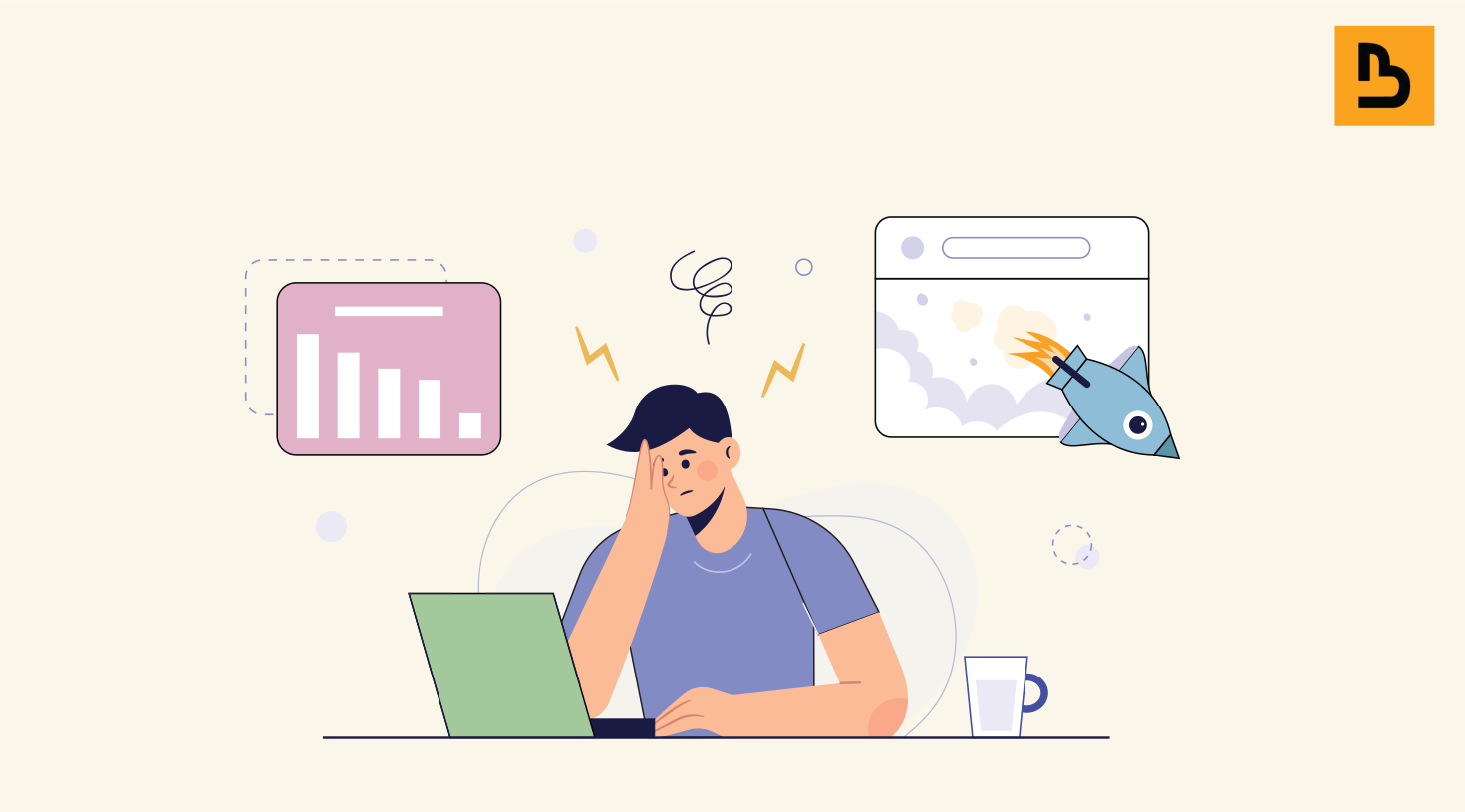
Credit: bytescare.com
Frequently Asked Questions
Why Is Pirated Software Risky For Businesses?
Pirated software often lacks updates and security patches. This increases the risk of malware infections. It can lead to data breaches and financial losses. Businesses may also face legal penalties for using unlicensed software.
How Does Pirated Software Affect Business Reputation?
Using pirated software damages trust with clients and partners. It suggests unethical business practices. This can harm a company’s credibility and brand image. Maintaining a good reputation is vital for business growth.
Can Pirated Software Lead To Legal Consequences?
Yes, businesses using pirated software risk lawsuits and fines. Software companies actively pursue legal action against piracy. Penalties can be costly and damage business operations. Compliance with licensing laws protects businesses from such risks.
Does Pirated Software Impact Business Productivity?
Pirated software is often unstable and prone to crashes. This can disrupt workflows and reduce employee efficiency. Lack of technical support also hinders problem resolution. Genuine software ensures reliable performance and consistent productivity.
Conclusion
Pirated software can harm your business in many ways. It often brings viruses and security risks. These threats can lead to data loss or theft. Also, using illegal software may cause legal troubles. Paying for genuine software supports developers and ensures updates.
Legitimate software works better and offers reliable help. Choosing legal options protects your business reputation. Avoiding pirated software saves money and stress in the long run. Safe, legal software builds trust with customers and partners. Protect your business by using only authorized programs.