
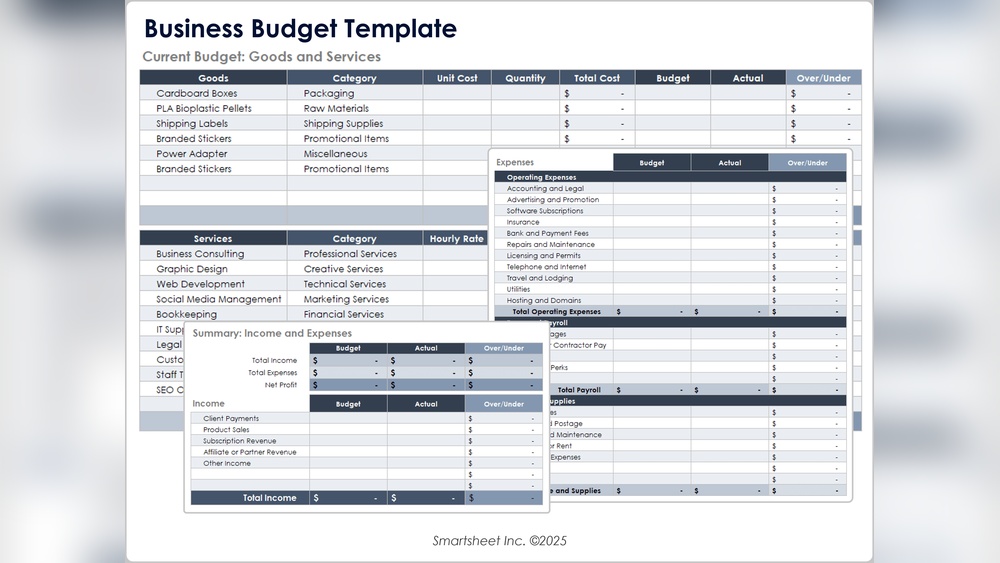
Creating a business budget can feel overwhelming, especially when you’re unsure which software to choose. But what if the right tool could make the process simple, clear, and even enjoyable?
Imagine having a system that helps you track every dollar, plan for growth, and avoid costly mistakes. You’ll discover the best software options designed to fit your unique needs. By the end, you’ll know exactly which tool can give you control over your finances and confidence in your business decisions.
Ready to take charge of your budget? Let’s dive in.
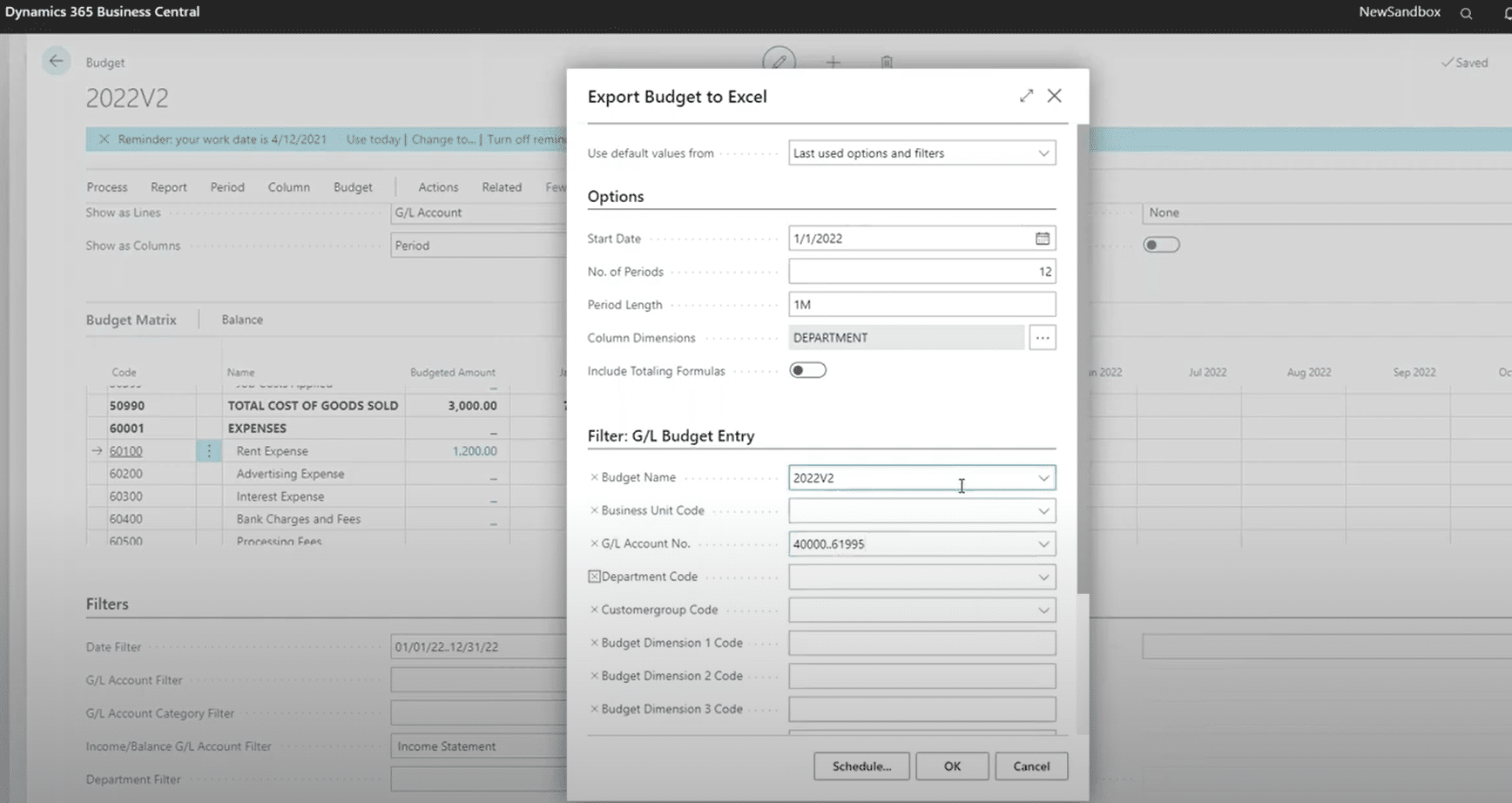
Credit: stoneridgesoftware.com
Essential Features In Budget Software
Choosing the right software for creating a business budget is important. The best tools help you manage money easily. They offer key features that save time and reduce errors. Understanding these features helps you pick software that fits your needs.
Expense Tracking
Expense tracking lets you record all business costs quickly. It shows where your money goes each month. Good software updates expenses in real-time. It helps catch overspending before it becomes a problem. Clear expense tracking keeps your budget accurate and useful.
Forecasting Tools
Forecasting tools predict future income and expenses. They use past data to estimate what lies ahead. This helps plan for growth or slow periods. Some software creates multiple scenarios for better planning. Forecasting tools guide smart decisions for your business budget.
Reporting Capabilities
Reports show your budget details in easy-to-read formats. They display summaries and charts to explain numbers. Regular reports help spot trends and adjust spending. Good software offers customizable reports to fit your needs. Clear reports keep your business finances transparent and organized.
Integration Options
Integration connects budget software with other business tools. It syncs data from bank accounts, payroll, and sales systems. This reduces manual entry and errors. Integration saves time and keeps information consistent. Choose software that works well with your existing tools.
Top Budgeting Software For Small Businesses
Choosing the right budgeting software helps small businesses manage money well. The right tool tracks income and expenses with ease. It supports smart decision-making for growth. Many software options suit different business needs and sizes.
Below are key features to consider in top budgeting software for small businesses.
User-friendly Interfaces
Software with simple design helps users navigate quickly. Clear menus and buttons reduce confusion. Visual charts and graphs show budget status at a glance. Easy input forms save time entering data. This helps small business owners focus on their work, not the software.
Affordability
Small businesses need budget tools that fit their costs. Many software options offer monthly plans under $20. Some provide free versions with basic features. Affordable software lowers financial risk while providing essential functions. Choose software that balances price and value.
Scalability
Budgeting software should grow as the business grows. It must handle more transactions and users over time. Features like multiple accounts and detailed reports become important. Scalable software supports expanding teams and complex budgets. This saves money by avoiding frequent software changes.
Advanced Tools For Larger Enterprises
Large businesses need budget software that can handle complex data and many users. Advanced tools offer features that help teams work together and track finances easily. These tools improve accuracy and save time.
Customizable Dashboards
Dashboards show important budget details in one place. Users can change these views to see what matters most. This helps managers focus on key numbers quickly. Custom layouts make data clear and easy to understand. Large teams can set different views for each role.
Multi-user Access
Many people can work on the budget at the same time. Each user gets their own login with specific permissions. This keeps data safe and limits errors. Teams can update numbers and add notes together. Real-time syncing means everyone sees the latest changes instantly.
Automation Features
Automation reduces repetitive tasks and cuts mistakes. Software can import data from bank accounts or sales systems. It can also create reports and alerts automatically. This saves hours of manual work every week. Automation helps managers focus on planning, not data entry.

Credit: pursuitlending.com
Cloud-based Vs Desktop Solutions
Choosing between cloud-based and desktop software for business budgeting depends on your needs. Each option offers unique benefits and challenges. Understanding these differences helps you pick the right tool for your business.
Accessibility And Collaboration
Cloud-based software lets you access your budget from any device. You can work on it anywhere with internet access. This makes teamwork easier. Multiple users can update the budget in real time.
Desktop solutions store data on your computer. Access is limited to that device. Sharing files needs manual steps, like emailing documents. Collaboration is slower and harder.
Security Considerations
Cloud providers use strong security measures to protect your data. They handle backups and updates automatically. Still, data is stored on remote servers, which may raise concerns.
Desktop software keeps your data on your local device. You control who sees it. But you must manage backups and security yourself. Risks increase if your computer is lost or damaged.
Cost Differences
Cloud software often works on a subscription basis. You pay monthly or yearly fees. This includes updates and support. Initial costs are usually lower.
Desktop solutions require a one-time purchase. You own the software forever. Updates may cost extra. Upfront price can be higher, but no recurring fees follow.
Free And Open-source Budget Software
Free and open-source budget software offers a cost-effective way to manage business finances. These tools provide essential features without any subscription fees. Businesses with tight budgets can benefit from flexible options that adapt to their needs. The open-source nature allows users to customize the software. This makes it easier to fit specific business requirements.
Popular Free Options
Several free budget software options are widely used. GnuCash is a popular choice for small businesses. It tracks income, expenses, and accounts with ease. Another option is Manager, which offers simple budgeting and accounting features. Both programs work on multiple platforms like Windows and Mac. These tools include basic reports to monitor financial health.
Limitations To Consider
Free software may lack advanced features found in paid versions. Some tools have limited customer support. User interfaces can feel outdated or less intuitive. Integration with other business tools might be missing. Businesses with complex needs may find these options insufficient. Regular updates may not happen as quickly as paid software.
Community Support
Open-source software usually has active user communities. Forums and online groups provide helpful tips and advice. Users can share custom features or fixes. This support can help solve common problems quickly. Community involvement also drives software improvements. It creates a collaborative environment for users and developers.

Credit: sportskey.com
Choosing The Right Software For Your Business
Choosing the right software for your business budget is a key step. The right tool helps you track expenses and plan finances clearly. It must fit your business size and goals. You want software that is easy to use and provides accurate reports. This section guides you to pick the best software.
Assessing Business Needs
Start by listing what your business requires from budgeting software. Do you need to handle invoices, payroll, or taxes? Consider the number of users and type of reports needed. Your software should match these needs to avoid paying for extra features. Knowing your priorities saves time and money.
Evaluating Software Compatibility
Check if the software works with your current tools. It should connect with your bank, accounting apps, and devices. Compatibility ensures smooth data transfer and avoids errors. Also, see if it supports mobile use for budgeting on the go. Software that fits your tech setup improves efficiency.
Trial And Demo Utilization
Use free trials or demos to test software before buying. Try different features and see if the interface feels intuitive. Testing helps spot bugs and limits. It also shows how well it fits your daily tasks. Demos give a real sense of the software’s value for your business.
Frequently Asked Questions
What Software Is Best For Creating A Small Business Budget?
For small businesses, QuickBooks and FreshBooks are top choices. They offer easy budgeting tools, expense tracking, and financial reports. These platforms help you manage cash flow and forecast expenses efficiently, making budgeting simple and accurate.
Can Excel Be Used To Create A Business Budget?
Yes, Excel is widely used for business budgeting. It offers customizable templates and formulas for detailed financial planning. Excel is flexible, cost-effective, and suitable for businesses comfortable with manual data entry and analysis.
Which Software Helps With Real-time Budget Tracking?
Cloud-based software like Xero and Zoho Books offers real-time budget tracking. These tools sync data instantly, providing up-to-date financial insights. They help businesses monitor expenses and adjust budgets promptly to stay on track.
Is Budgeting Software Suitable For Startups?
Yes, budgeting software is ideal for startups. It simplifies financial planning, tracks spending, and forecasts growth. Tools like Wave and QuickBooks offer affordable solutions tailored to startup needs, helping manage limited resources efficiently.
Conclusion
Choosing the right software makes budgeting easier and more accurate. Simple tools help track income and expenses clearly. Good software saves time and reduces errors. It also helps plan for future costs and goals. Think about your business needs before deciding.
Easy-to-use programs work best for small teams. Regularly update your budget to stay on track. This way, your business can grow steadily and safely.


